+86 15657752999

0102030405
Polymer Insulator In Transmission Line
2026-04-02
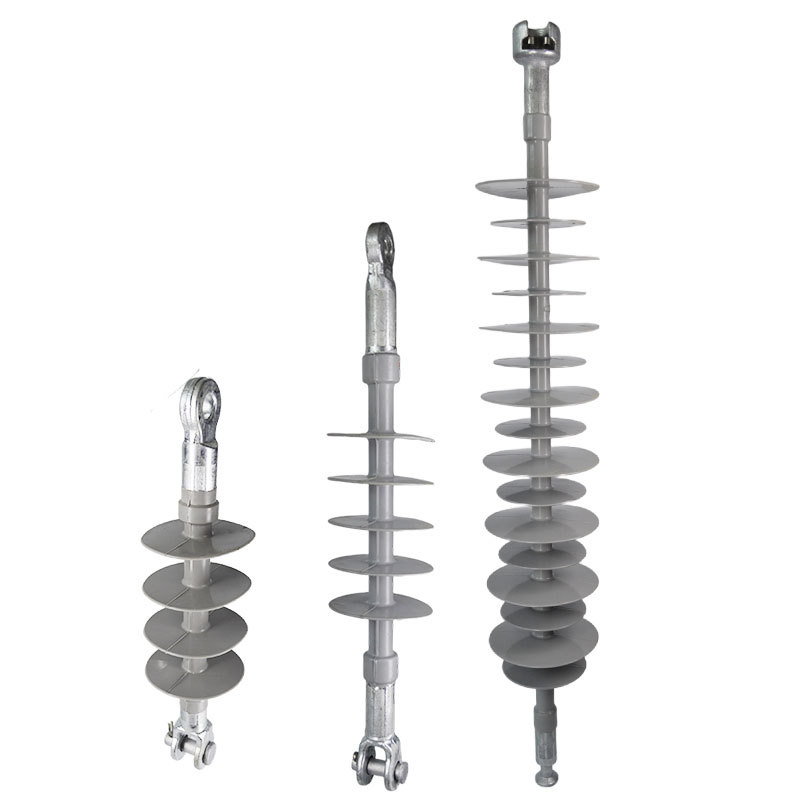
A polymeric insulator is a key component for power transmission lines, designed to separate conductors from grounded structures and prevent current leakage. Unlike traditional ceramic types, it is made from lightweight, durable polymer materials that perform reliably in harsh weather, making it a solid choice for modern transmission systems. Selecting the right polymeric insulator helps maintain steady power delivery, reduces maintenance, and improves line safety.
If you are involved in transmission projects whether as an engineer, project manager, or procurement specialist understanding how a polymeric insulator functions and its role on transmission lines is essential. Not every insulator suits every project; the best choice depends on your voltage requirements, local environmental conditions, and long-term reliability goals.
What Is a Polymeric Insulator?
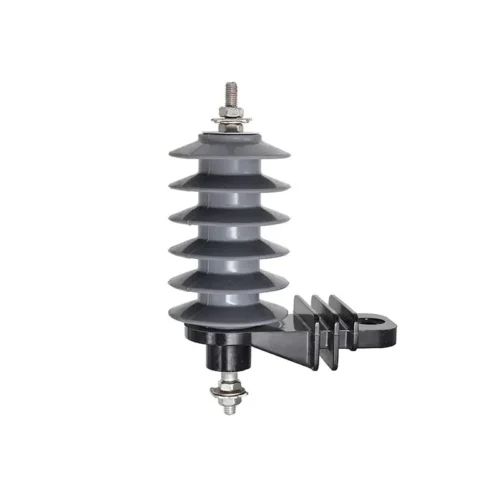
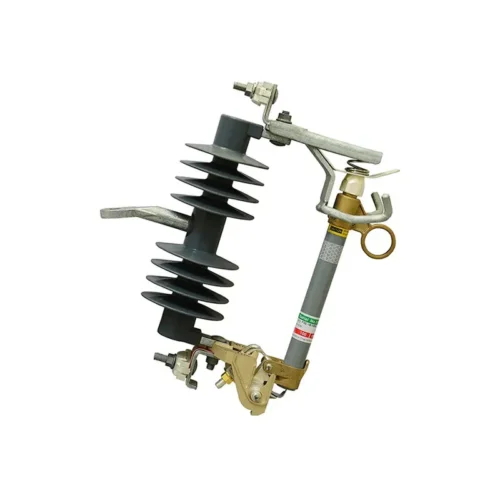
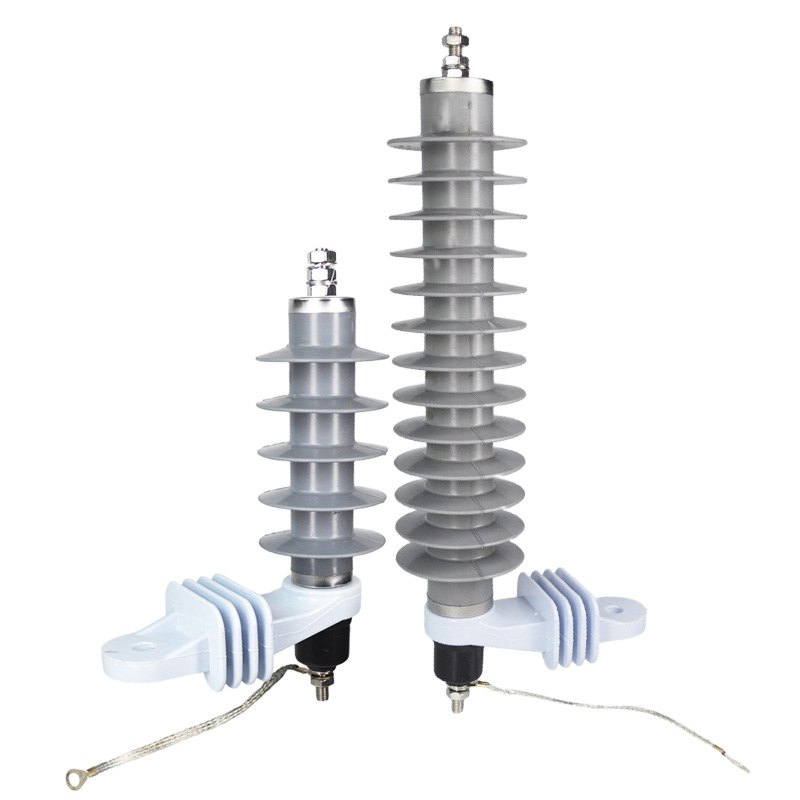
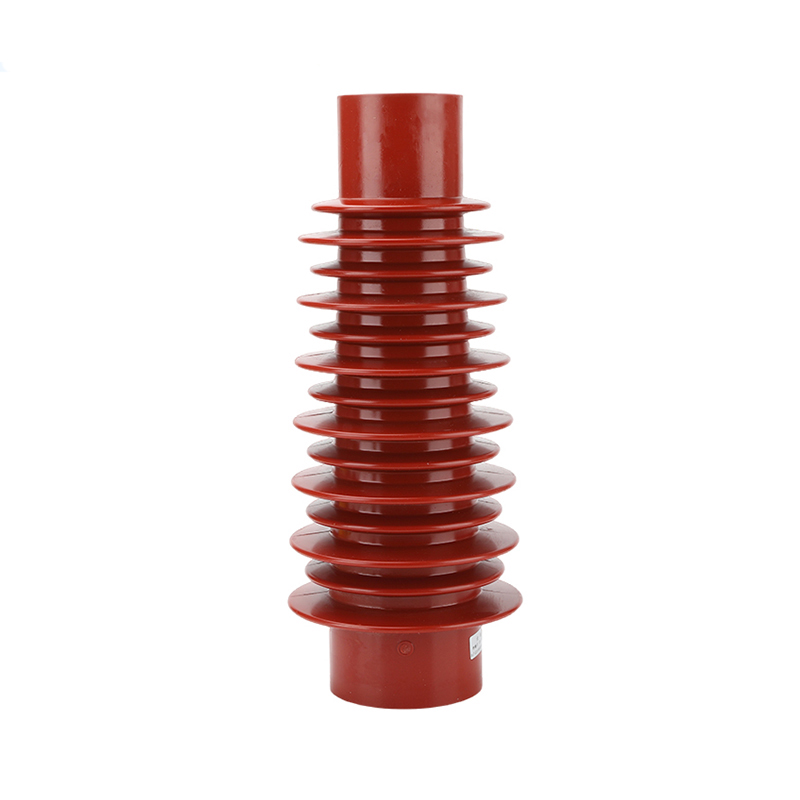
To choose the right insulator, it helps to first understand what a polymeric insulator is and its core function. Also called a composite insulator, a polymeric insulator has three key parts: a fiberglass core for strength, a polymeric housing (usually silicone or EPDM rubber) for insulation, and metal end fittings to connect to conductors and transmission structures. Its main job is to insulate electrical current, making sure it flows through the conductor instead of leaking to the ground.
Compared to heavy, breakable ceramic insulators, a polymeric insulator is light, flexible, and resistant to damage from impacts, temperature swings, and environmental pollutants. This makes installation and maintenance easier, while also extending the life of your transmission line system.
Key Benefits of Polymeric Insulator
Polymeric insulators solve common challenges in power transmission projects, making them a top choice for many applications. Here are their most practical advantages:
•Lightweight Design: Much lighter than ceramic insulators, polymeric insulators are easier to transport and install, lowering labor costs and saving time critical for large transmission line projects.
•Strong Environmental Resistance: They stand up to UV radiation, moisture, pollution, and extreme temperatures (from freezing cold to scorching heat), keeping insulation performance consistent even in tough climates.
•High Mechanical Strength: Despite being light, polymeric insulators have sturdy fiberglass cores that handle wind loads, ice buildup, and mechanical stress, reducing breakage risk.
•Low Maintenance: Unlike ceramic insulators, which need regular cleaning to prevent pollution buildup, polymeric insulators have a hydrophobic surface that repels water and dirt cutting down on maintenance work and costs.
•Long Lifespan: With proper installation, a polymeric insulator can last 20-30 years, offering long-term reliability and reducing the need for frequent replacements.
Polymer Insulator In Transmission Line: Applications
Thanks to their versatility and durability, polymeric insulators are used in transmission lines across many settings. Here are the most common uses:
•High-Voltage Transmission Lines: Perfect for overhead high-voltage (HV) and extra-high-voltage (EHV) lines, where reliability and resistance to environmental stress matter most.
•Polluted Areas: Ideal for regions with heavy industrial pollution, coastal areas (salt spray), or agricultural zones (chemical dust) their hydrophobic surface prevents pollution-related electrical flashovers.
•Remote Locations: Their lightweight design makes polymeric insulators easy to transport to hard-to-reach areas, where moving heavy ceramic insulators is difficult.
•Renewable Energy Projects: Used in wind farms and solar power transmission systems, where durability and low maintenance are key for consistent energy production.
•Urban Transmission Lines: Suitable for cities and suburbs, where their compact size and breakage resistance lower outage risks from weather or accidental impact.
How to Choose the Right Polymeric Insulator
When picking a polymeric insulator for your transmission line project, focus on these key factors to ensure it fits your needs:
•Voltage Rating: Choose a polymeric insulator with a voltage rating that matches your line (low, medium, high, or extra-high voltage).
•Environmental Conditions: Consider local climate (temperature extremes, humidity), pollution levels, and exposure to salt or chemicals. Opt for silicone housing for high-pollution areas and EPDM for extreme temperatures.
•Mechanical Load: Ensure the insulator can handle wind, ice, and conductor weight based on your project's specific conditions.
•Installation Fit: Select a design that works with your transmission towers or poles and installation methods for a secure, reliable connection.
FAQs About Polymeric Insulator
Here are answers to common questions buyers and project managers have when choosing a polymeric insulator:
How does a polymeric insulator compare to ceramic insulators?
Polymeric insulators are lighter, more flexible, and more resistant to environmental damage than ceramic ones. They need less maintenance and are easier to install, though ceramic insulators may be better for extremely high-temperature applications.
What is the lifespan of a polymeric insulator?
A properly installed polymeric insulator typically lasts 20-30 years, depending on environmental conditions and regular inspections. Routine checks can extend its life even further.
Can polymeric insulators be used in coastal areas?
Yes silicone-based polymeric insulators are highly resistant to salt spray and moisture, making them an excellent choice for coastal transmission lines.
Whether you're working on a large high-voltage transmission project or a smaller renewable energy setup, a polymeric insulator is a reliable, cost-effective way to ensure stable, safe power delivery. By understanding its benefits, applications, and how to choose the right one, you can select a polymeric insulator that meets your project's needs and delivers long-term performance.