 +86 15657752999

0102030405
Polymer Insulator: The Complete Guide for Power Transmission
2026-10-26
As power transmission networks evolve, choosing the right insulator impacts efficiency, reliability, and maintenance costs. Polymer Insulator technology has gained prominence due to its unique advantages in high voltage and outdoor applications. This guide explains polymer insulators’ features, applications, and selection criteria to help utility professionals and decision-makers optimize their projects.
What is a Polymer Insulator?
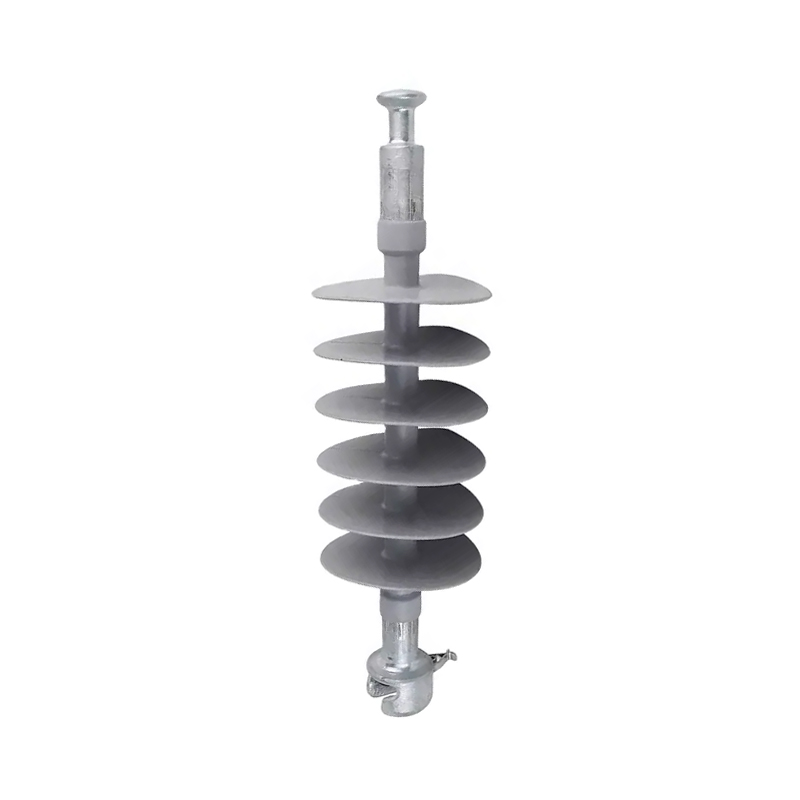
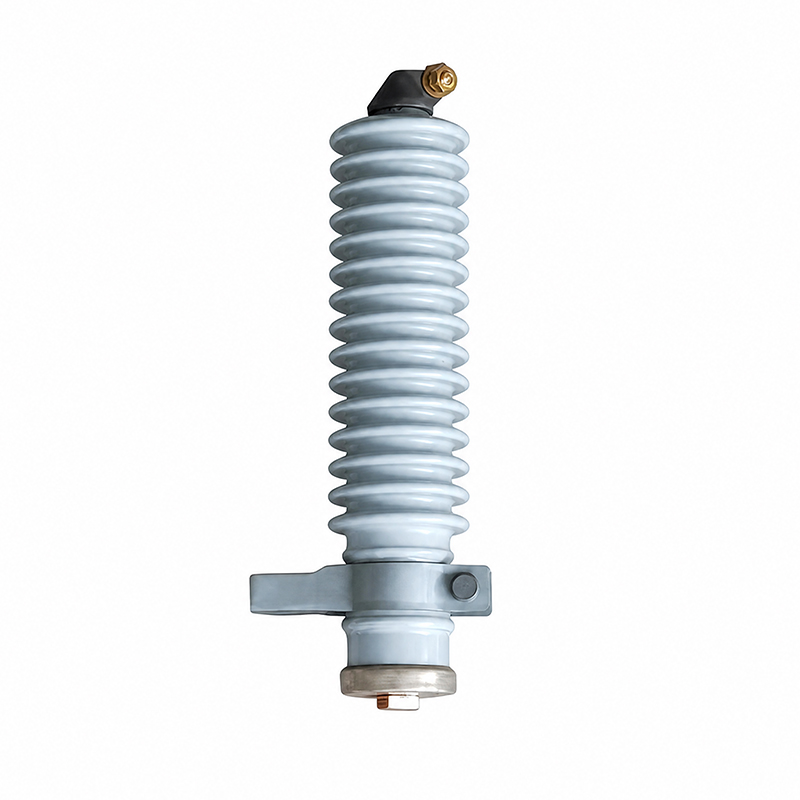
Polymer insulators, also called composite or non-ceramic insulators, consist of a fiberglass core coated with weather-resistant polymers like silicone rubber or ethylene propylene rubber. Their design focuses on durability, lightweight construction, and superior insulation against environmental threats, making them ideal for modern transmission systems.
Key Advantages of Polymer Insulators in Power Transmission
Adopting Polymer Insulator technology provides clear benefits:
- They are significantly lighter than traditional porcelain or glass, simplifying installation and handling.
- Polymer housings are flexible and resist breakage, especially critical in areas prone to impact, vibrations, or vandalism.
- Hydrophobic properties reduce contamination, lowering maintenance and the risk of flashovers during wet or polluted conditions.
- Superior electrical resistance and minimal tracking enhance system reliability.
- Enhanced resistance to environmental factors enables long-lasting performance even in harsh climates.
Types of Polymer Insulators and Their Applications
Several types support varying voltage classes and installation needs:
Polymer Suspension Insulator: Designed for high-voltage overhead lines, these insulators perform well in demanding settings and long spans.
Polymer Pin Insulator: Common in distribution up to 33kV, especially urban and rural grids. The hydrophobic surface helps in contaminated areas.
11kV Polymeric Pin Insulator: Widely used in medium voltage networks, offering robust, cost-effective performance for local substations.
Polymer Post Insulator: Suitable for substations or transformers, these insulators provide vertical mounting with high mechanical strength.
Polymer Strain Insulator: Used for tension applications, such as river crossings or difficult terrain, offering reliability in challenging environments.
Polymer vs. Porcelain and Glass Insulators
The shift towards Polymer Insulators is driven by their lighter weight, resistance to breakage, and reduced maintenance requirements. Compared to porcelain and glass, polymers repel water and contamination, resulting in fewer outages related to weather or pollution. Advanced manufacturing techniques and robust materials now deliver longevity comparable to conventional insulators, with lower total ownership costs.
How to Select the Right Polymer Insulator
Selection hinges on several factors:
Voltage Rating: Choose insulators appropriate for system voltage and expected surges.
Mechanical Requirements: Evaluate loading conditions and ensure strong core and housing design.
Environmental Considerations: For locations facing pollution, humidity, or salt spray, prioritize polymer options with enhanced protective coatings.
Compatibility: Verify mounting type and compatibility with your grid structure.
Certifications: Insist on compliance with standards such as IEC, ANSI, or relevant local protocols.
Cost and Life Cycle: Weigh upfront costs against expected maintenance and replacement intervals.
Installation and Maintenance Insights
Polymer insulators’ lightweight design improves safety and reduces labor costs. Their hydrophobic surfaces naturally repel contaminants, minimizing cleaning needs. Routine visual inspections check for tracking or physical damage, but maintenance is notably less frequent compared to traditional insulators. Proper installation and site-appropriate selection promote service life spanning up to three decades.
FAQ: Polymer Insulator Use in Power Transmission
How do polymer insulators perform in polluted or coastal environments?
Their hydrophobic surfaces repel water and contaminants, reducing flashover risk and cleaning frequency. For heavy pollution, humidity, or salt spray, choose grades with enhanced protective coatings.
What is the typical service life of a polymer insulator?
With proper installation and site-appropriate selection, service life can reach up to three decades, depending on environmental severity, mechanical loading, and material quality.
Are polymer insulators suitable for both transmission and distribution networks?
Yes. Suspension types serve high-voltage overhead lines, pin types suit distribution up to 33kV, post types fit substations and transformers, and strain types handle tension applications.
How does maintenance compare with porcelain or glass insulators?
Maintenance is less frequent. Routine visual inspections check for tracking or physical damage, and hydrophobic surfaces reduce contamination buildup and cleaning needs.
Polymer insulators represent innovation in power transmission, combining lightweight construction, hydrophobicity, and high durability for challenging settings. Well suited to high voltage, urban, and rural applications, they reduce maintenance demands and improve network reliability. Careful selection based on project needs and environmental factors ensures strong long-term performance and cost savings.