 +86 15657752999

0102030405
Polymer Insulators: Disadvantages of Composite Materials as Insulating Material
2026-04-10
Polymer insulators, or composite insulators, have gained traction because they are much more advantageous than traditional ceramic or glass insulators. This is due to their lightweight, good insulation properties against environmental factors, and low to no susceptibility to vandalism. There is one potential disadvantage (limitations) - all insulators, including polymer insulators, have been associated with some material-related limits. In this article, we will discuss what polymer insulators are, what the advantages and disadvantages are and how well they perform as polymer versus typical insulator materials.
What is a Polymer Insulator?
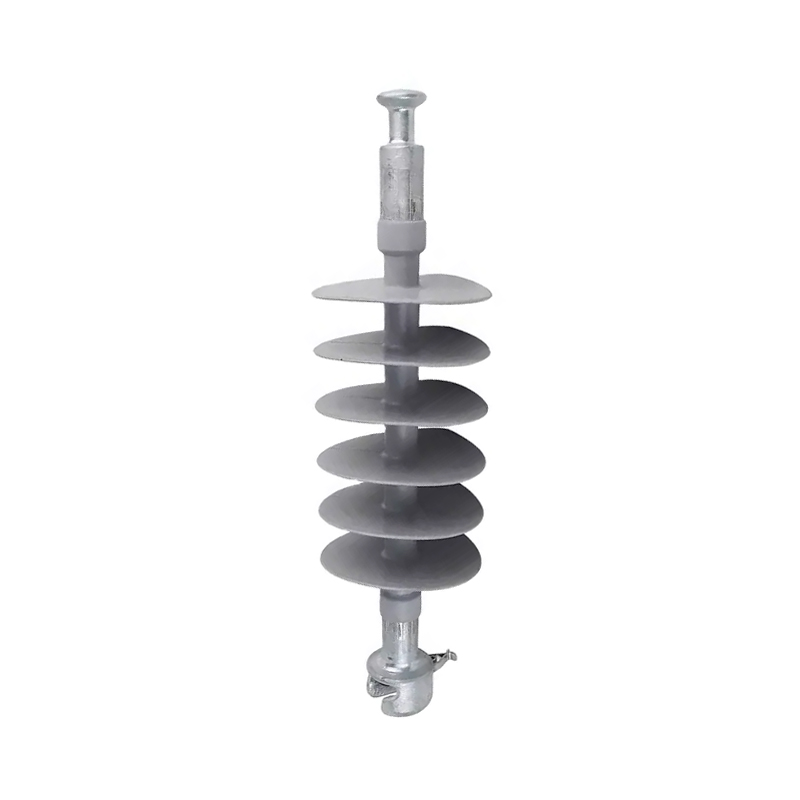
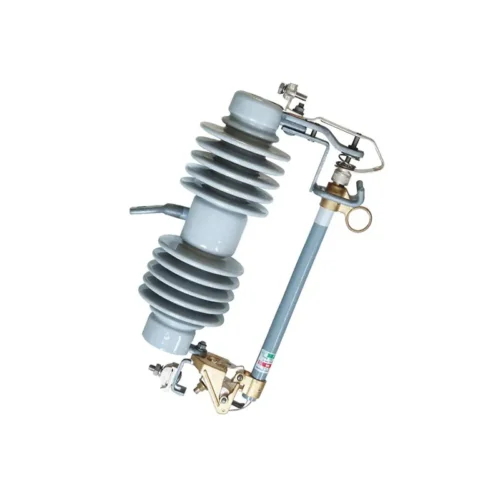
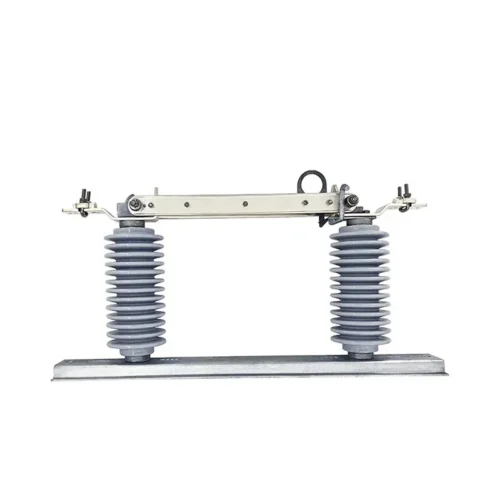
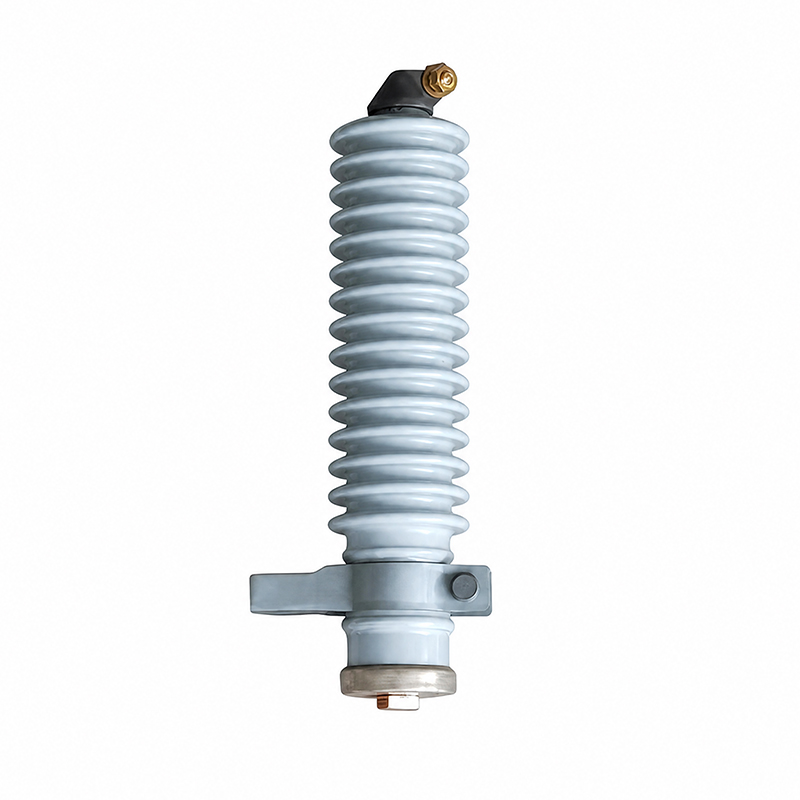
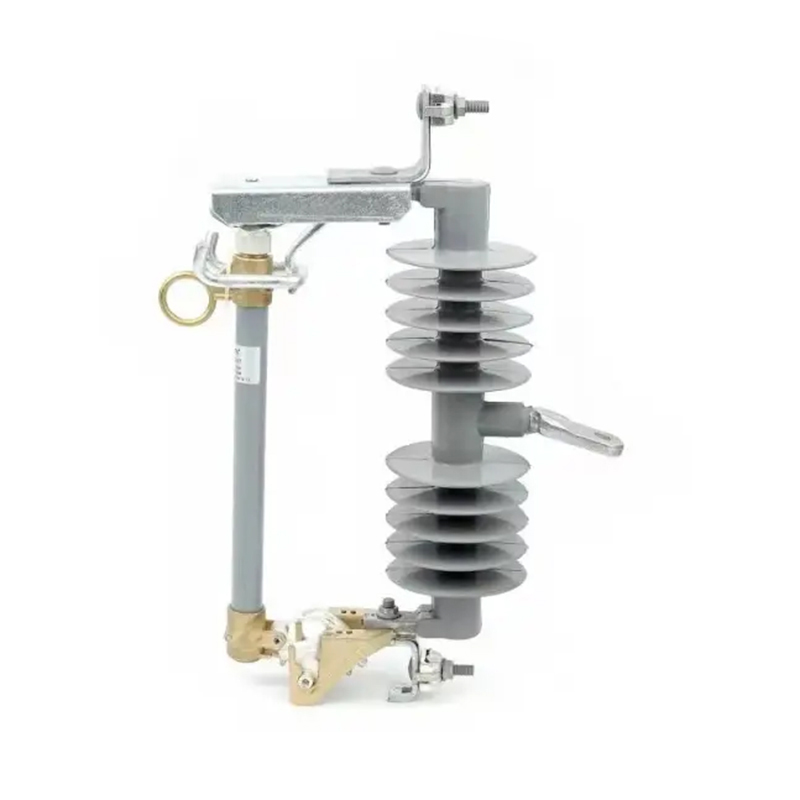
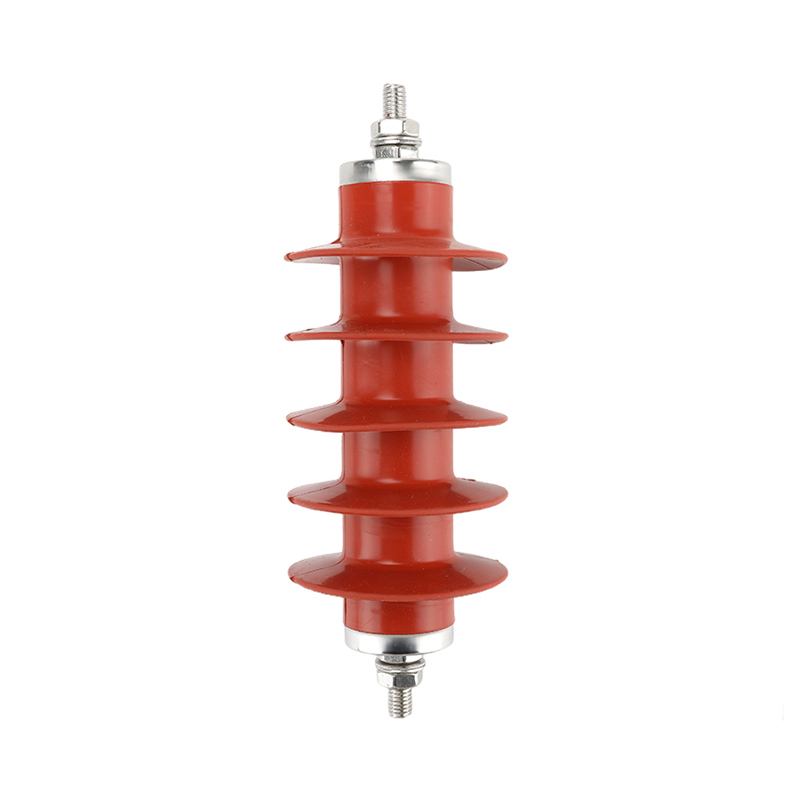
Polymer insulators are modern insulators developed using composite material such as fiberglass-reinforced resin encased in housing material (i.e., silicone rubber or Ethylene Propylene Diene Monomer) and the plastic/insulated over the conductors. Generally, polymer insulators will be predominantly used within the electric utility industry to insulate the conductive (electrical) components of transmission and distribution lines that carry electrical energy. Modern polymer insulators have been and continue to be widely used in high-voltage applications (greater than 11kV) and power transmission/distribution systems. Composite insulators have many advantages; they are lightweight when compared to ceramic/glass, are easy to install, and they have hydrophobic surfaces that allow water to run off them — thus preventing electrical shorts during a rainstorm.
The Primary Disadvantage of Polymer Insulators
The biggest disadvantage of polymer insulators and the main reason they do not perform as well as they should is that they are highly susceptible to deterioration and premature failure due to harsh environmental conditions that may exist for prolonged periods of time. So, even though polymer insulators have been created with a long useful life, with constant exposure to UV radiation and other environmental factors such as air pollution or extreme weather, the silicone that is in composite polymer insulators, will gradually degrade.
There are also several different types of degradation that will affect the performance of polymer insulators. The three most common types of deterioration are chalking of the silicone surface, cracking of the silicone surface or loss of the hydrophobicity of the silicone insulating surface. All of these typically occur during the aging process of the composite polymer insulator. Once the hydrophobicity has degraded, water creates a conductive layer that is a problem because it means there is an increased chance for partial discharges, arcing, or flashover (especially with high-voltage systems). Aging can occur due to normal weathering in any area without pollution, but pollution from industry, particulates, salt (especially on coasts), or acid rain will accelerate the aging process and require more frequent maintenance and eventual replacement.
Polymer insulators will need to be replaced sooner than glass or porcelain insulators, which typically last more than 40 years with little or no effect due to aging. In severe environments related to high mechanical stresses, the shorter service life is viewed as a major negative by many utility companies who prefer to provide long-term, low-maintenance solutions.
Challenges Associated With Polymer Insulators
In addition, there are a number of other considerations that need to be taken into account when using polymer insulators:
- Mechanical Strength: Although polymer insulators have much less weight than porcelain or glass insulators, their strength is also lower. Therefore, when exposed to very high mechanical stress, polymer insulators may not perform as well as porcelain or glass insulators.
- Difficulty Inspecting: It can be difficult to visually inspect polymer insulators for deterioration. Deterioration can occur with polymers, creating microcracks and loss of hydrophobicity, neither of which are typically visible to the naked eye. Testing and monitoring the polymers used in polymer insulators require advanced techniques.
- Higher Cost Upfront: While polymer insulators may have cheaper initial outlays for transportation and installation compared to conventional insulators, their manufacturing costs are relatively higher than traditional insulators.
The Four Types of Electrical Insulators
To determine where the polymer insulator fits into the complete insulator structure, here are the four types of electrical insulators:
- Pin Type Insulator: Utilized within power distribution systems to attach transmission lines directly to poles.
- Suspension Type Insulator: Used to support high-voltage lines—these are typically pre-manufactured units combined in sequence to form a suspension string.
- Strain Type Insulator: These are specialized insulators engineered to handle mechanical stresses. They are typically used where the line makes a sharp turn or spans long distances.
- Shackle Type Insulator: These are compact insulators used to support low-voltage lines on poles.
The Manufacturing Process of Polymer Insulators
In order to create a polymer insulator, several steps must be followed:
1. Core Production: A fiberglass-reinforced epoxy rod is created to provide the mechanical strength of the insulator.
2. Housing Construction: The outer housing is either molded or extruded from silicone rubber or EPDM rubber and placed over the fiberglass core. The outer housing provides electrical insulation and protection from environmental elements.
3. End Fitting Installation: The end fittings (terminal hardware) that secure the insulator to the conductors and supporting structures are made of lightweight metal and attached through crimping, bonding, or ultrasonic welding to ensure a secure, durable connection.
4. Quality Control and Testing: The polymer insulator undergoes rigorous mechanical and electrical testing in compliance with international standards like IEC (International Electrotechnical Commission) and ANSI (American National Standards Institute).
Future Considerations for Customers
Customers interested in using polymer insulators as a potential solution should carefully consider their benefits as well as the challenges associated with their aging and maintenance. Some of the major factors to evaluate when determining the most appropriate type of insulator for a specific application include geographical location, environmental conditions, system voltage (e.g., 11kV versus 33kV), and the mechanical load of the system.
Working with reputable manufacturers and suppliers with established reputations in the industry is key to purchasing high-quality polymer insulators that provide optimal performance, durability, and cost-effectiveness.
When proper design, installation, and maintenance measures are in place, the benefits of polymer insulators—such as lightweight design, ease of handling, and consistent electrical performance—can outweigh the challenges in most scenarios.
Summarize
Polymer insulators are lightweight, crack-resistant, and eco-friendly, but their main drawback is a shorter lifespan due to environmental degradation compared to porcelain or glass. Customers can reduce this risk by considering their operating environment, planning proper maintenance, choosing the right insulator type, and working with reliable suppliers. Staying informed helps buyers ensure long-term efficiency in power transmission systems.