+86 15657752999


0102030405
Polymer Insulators Guide: Applications, Benefits & Selection
2026-07-10
In the realm of electrical engineering, the importance of reliable insulators cannot be overstated. Among the various types of insulators available, polymeric insulators have emerged as a vital option for power transmission and distribution systems. This article explores their applications, advantages, and essential selection criteria, providing a comprehensive guide for potential buyers and industry professionals alike.
What Are Polymer Insulators? Definition and Key Features
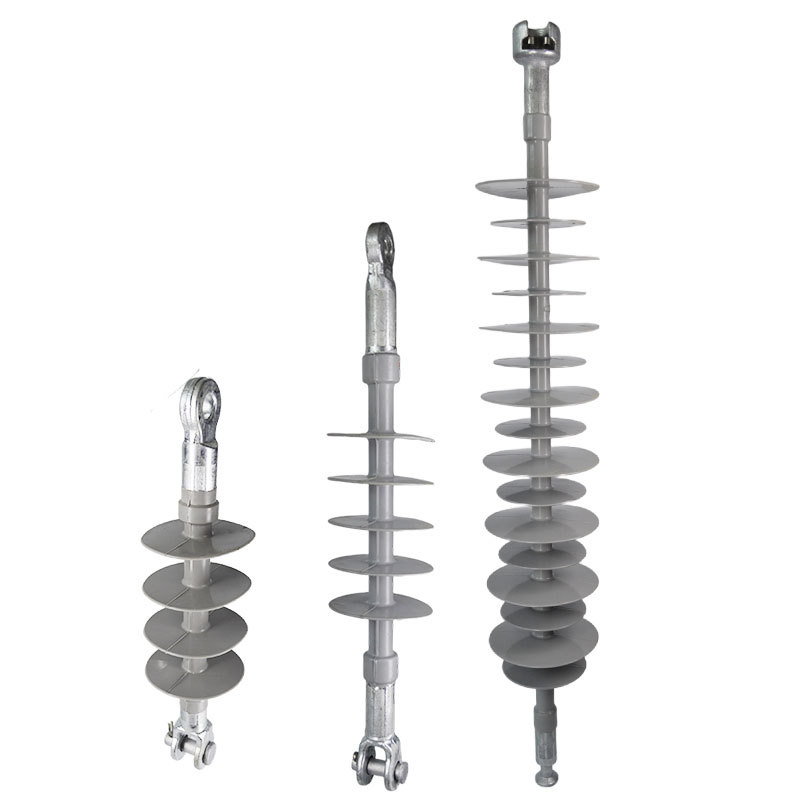
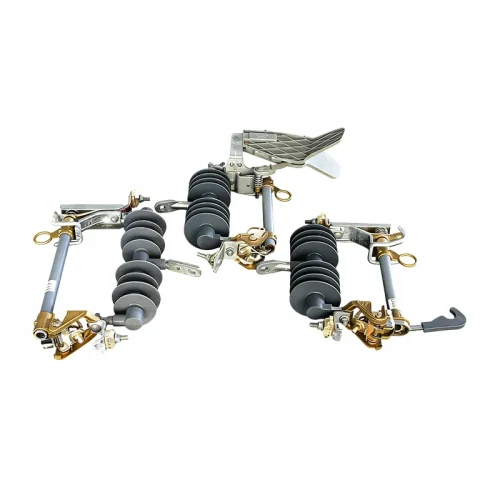
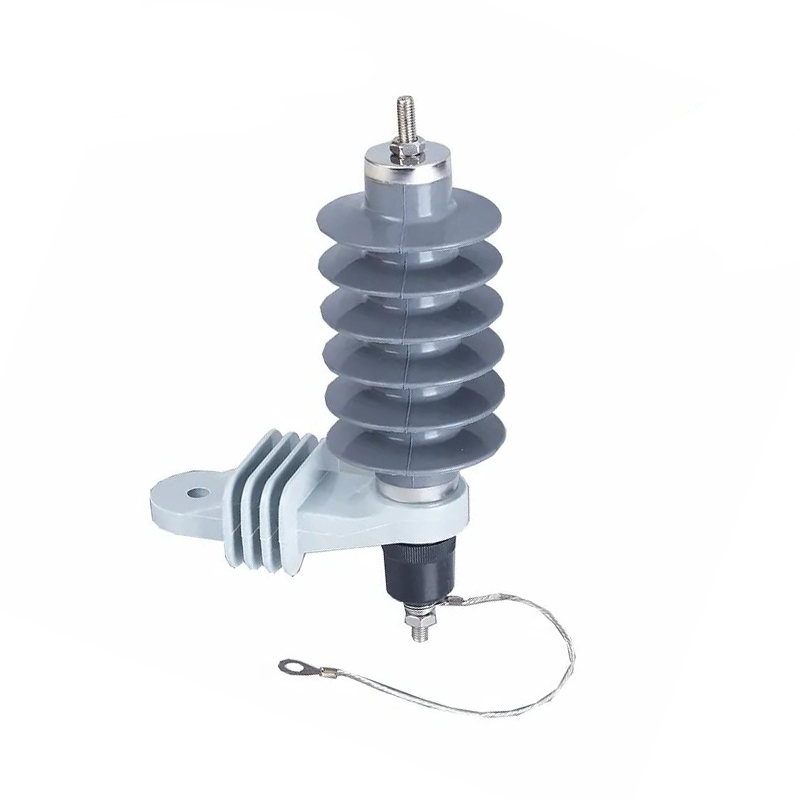
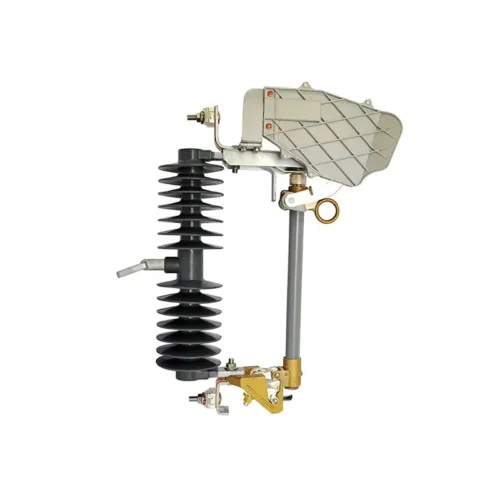
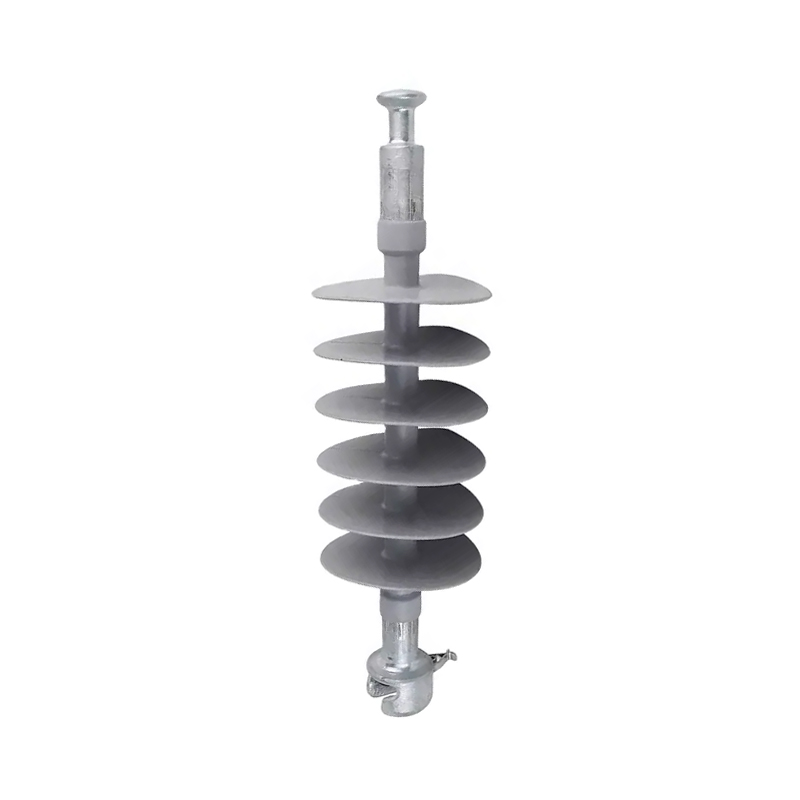
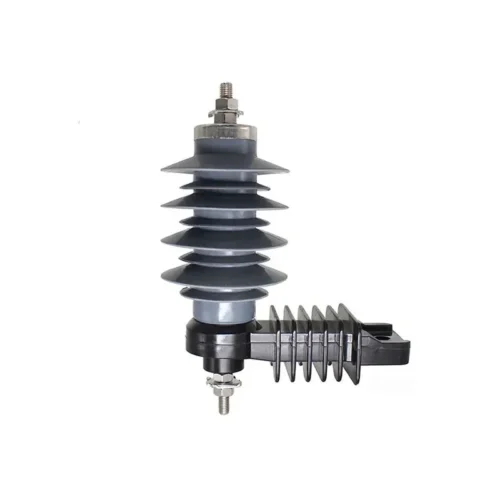
Polymeric insulators, particularly those made from silicone rubber, are crafted from high-performance composite materials that combine the benefits of polymers with carefully engineered designs. Characterized by their lightweight yet durable structure, these insulators offer superior electrical and mechanical performance compared to traditional materials. Key features include excellent hydrophobic properties, resistance to ultraviolet light, and increased flexibility, allowing them to effectively withstand environmental strains and contaminants.
Key Benefits of Polymer Insulators Over Traditional Types
Compared to traditional materials like porcelain or glass, silicone rubber insulators achieve a significant leap forward due to the unique properties of the elastomer. For overhead power lines, substations, and other high-voltage applications, they provide both electrical isolation and mechanical support.
Firstly, polymeric insulators have a significantly lower weight, making installation and maintenance easier and reducing labor costs and improving safety during handling. Secondly, composite insulators are less prone to breakage—a common issue with porcelain insulators, especially during transportation or installation.
Moreover, silicone rubber insulators deliver unparalleled reliability even in harsh environments, making them the preferred choice for modern, high-reliability power grids worldwide. Their durability and resilience translate to longer service life, which can greatly reduce the need for frequent replacements, leading to more cost-effective long-term solutions.
How to Select the Right Polymer Insulator for Your Project
Selecting the appropriate polymeric insulator involves considering several critical factors. First, evaluate the voltage levels of the application and ensure the insulators can accommodate those requirements. Insulators are rated for different voltage classes, so it is vital to choose one that matches your specific needs.
The environmental conditions in which the insulators will operate are also essential. Factors such as temperature variations, humidity, and exposure to chemicals must be analyzed. For example, if the insulator will be installed in a coastal area, it should provide resistance to salt mist corrosion.
Finally, consulting manufacturer specifications and, if possible, gaining insights from case studies or user experiences will help in identifying the most suitable product tailored for your project's particular circumstances.
Polymer vs Porcelain Insulator: Which Should You Choose?
The choice between polymeric insulators and traditional porcelain insulators continues to be a critical decision for many engineers. While porcelain insulators have been a long-standing choice due to their rigid durability, they often fall short concerning weight and breakage resistance.
In contrast, polymeric insulators, especially those made of silicone rubber, are gaining popularity for their superior flexibility, ease of installation, and minimal maintenance requirements. Their ability to perform well in diverse environmental conditions also makes them a compelling option for modern electrical systems. Therefore, while porcelain insulators may still be suitable in certain applications, polymer insulators are increasingly seen as the future of insulator technology.
FAQs about Polymer Insulators
What are the main applications of polymer insulators?
Polymer insulators are commonly used in overhead power lines, substations, and wind turbines, making them suitable for various electric utility applications.
How do polymer insulators perform in extreme weather?
They are designed to withstand harsh conditions such as heavy rain, snow, and extreme temperature variations, ensuring reliable performance.
Are polymer insulators more environmentally friendly?
Yes, polymer insulators can be more environmentally friendly, as they are often made from recyclable materials and are less likely to break and cause hazardous waste.
In conclusion, polymer insulators stand out as an excellent choice for modern electrical systems due to their numerous advantages over traditional insulator types. Their lightweight structure, durability, and resistance to adverse environmental conditions make them an attractive option for applications ranging from overhead power lines to wind energy installations. By understanding the key features and benefits, engineers and project managers can make informed decisions tailored to their specific applications, ensuring seamless and efficient power transmission.