+86 15657752999


0102030405
Polymer Insulators: Specifications & Performance Guide
2026-09-14
It takes more to select an appropriate polymer insulator other than just looking at system voltage. Performance is influenced by several factors like mechanical load, pollution, climate, installation methods, and used standards, among others. This guide summarizes the most important specifications and aids buyers in finding a good product for distribution, transmission, and substation purposes.
What Is a Polymer Insulator?
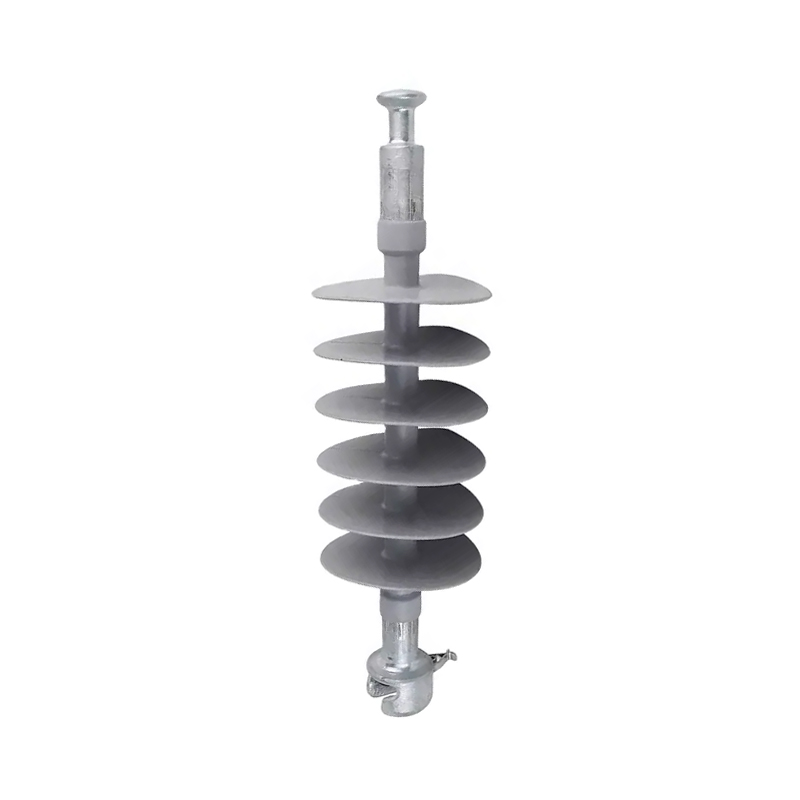
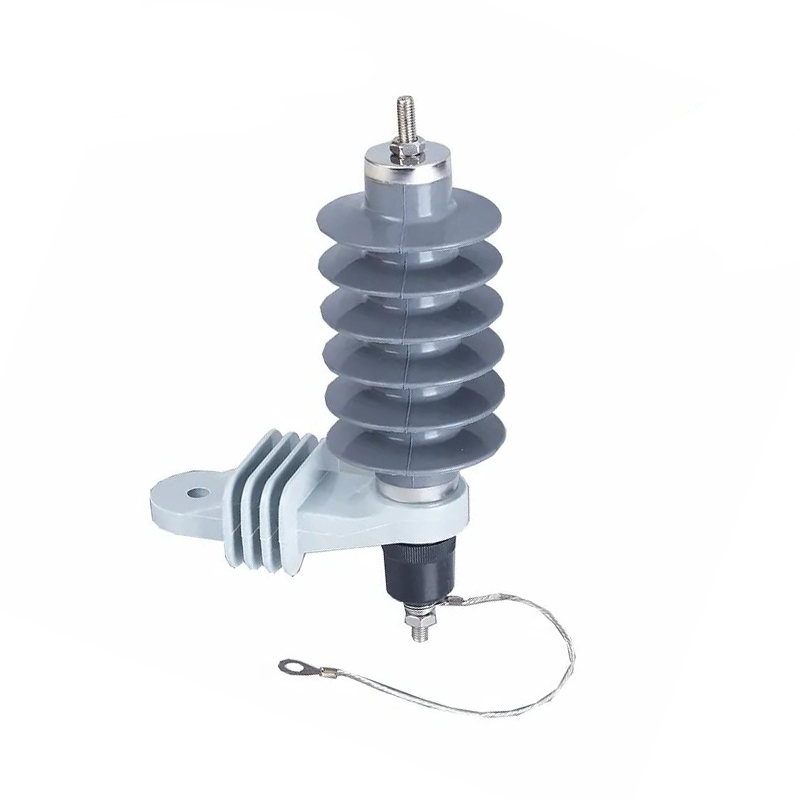
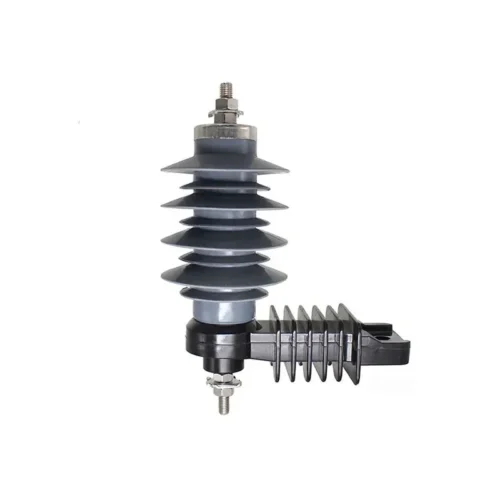
Polymer insulator, or composite insulator, is made up of fiberglass-reinforced polymer core, rubber insulating cover, and metallic end fittings. While the core provides mechanical strength, the housing prevents moisture, contaminants, UV radiation, and weathering from harming the insulation.
Silicone rubber is extensively used because it exhibits a wide range of favourable properties such as good hydrophobicity and resistance to tracking and erosion. But also, factors like the quality of the core, sealing system, housing and fittings are very significant.
Common Types and Applications
Polymer insulators are available for different installation requirements, including:
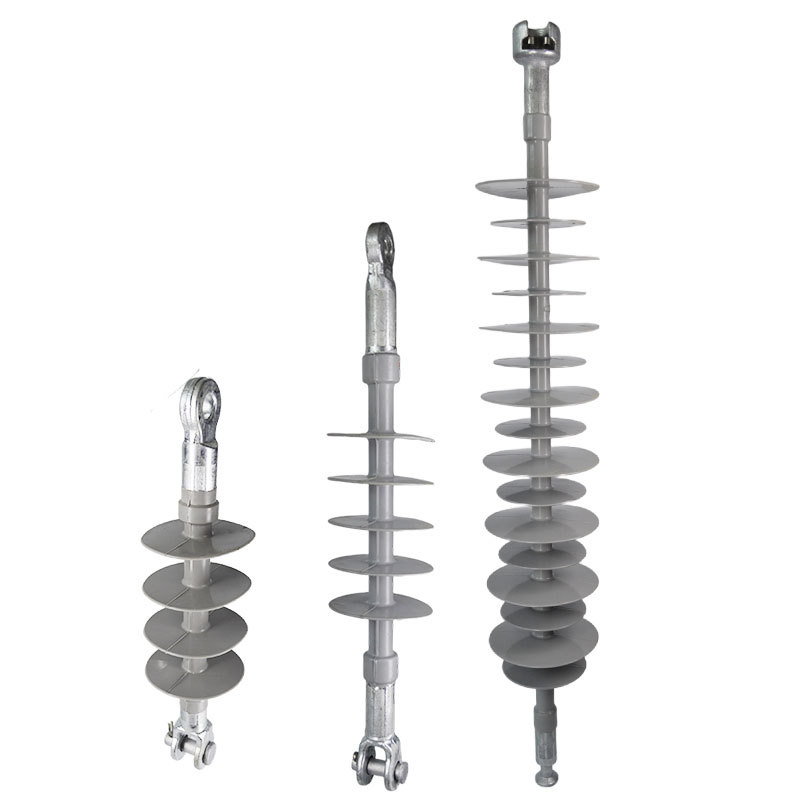
- Suspension insulators for overhead transmission and distribution lines
- Strain insulators for dead-end poles, angles, and high-tension spans
- Line-post and pin insulators for conductor support
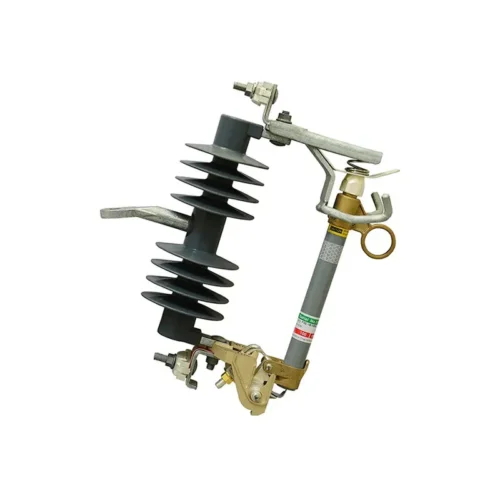
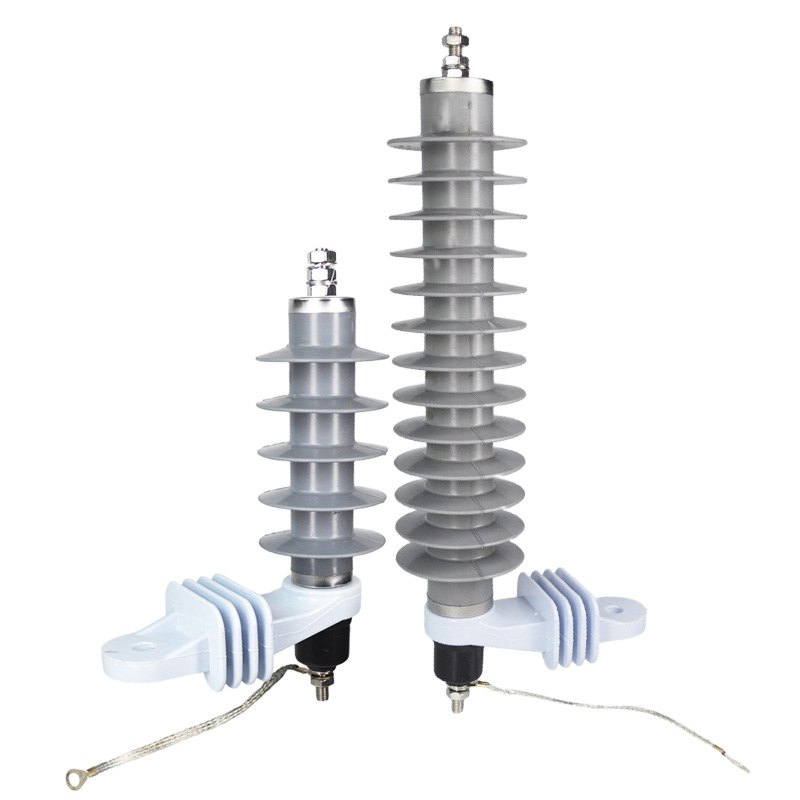
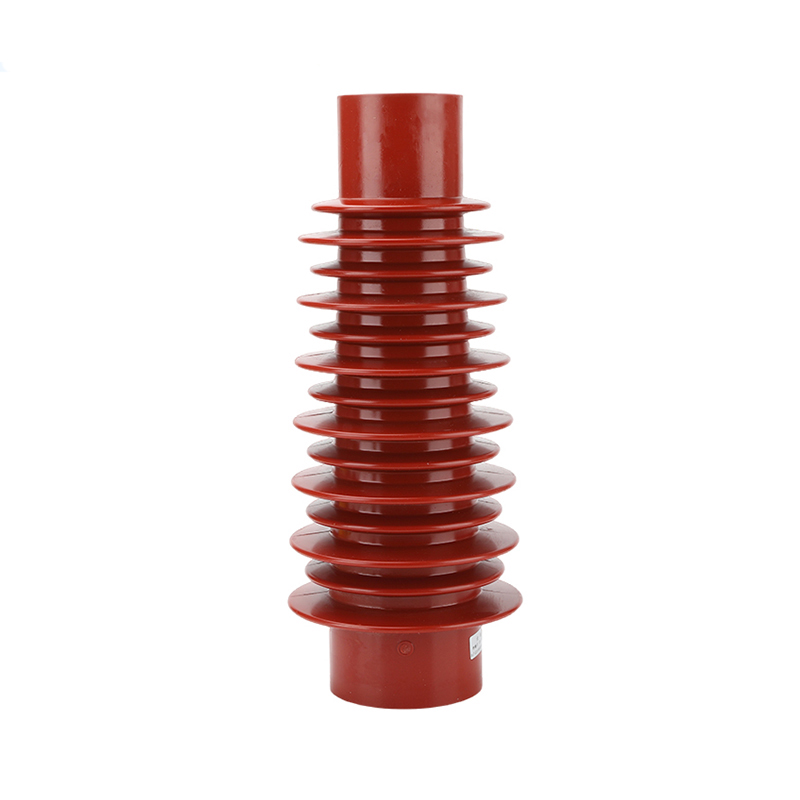
- Station-post and equipment insulators for substations and switchgear
A polymer disc insulator generally pertains to a composite suspension or strain unit characterized by disc-shed structures. The selection of an 11kV polymer strain insulator must comply with its voltage level, conductor tension, creepage distance, and fitting design.
Key Specifications Explained
Essential technical specifications include the rated voltage, the maximum voltage of the system, the creepage distance, the arc distance, the power frequency withstand voltage, the lightning impulse withstand voltage, and the mechanical load rating.
Creepage distance is vital in many environments, including coastal, industrial, desert, and contaminated areas. Additionally, mechanical ratings have to be in accordance with the application. Suspension and strain devices are typically judged by tensile strength, whereas line-post and station-post devices have to provide enough cantilevering or bending strength.
Mechanical and Electrical Performance
The mechanical design should take into account the weight of the conductor, wind, ice, length of span, tension used in installation, angle of installation, and forces from short circuits. End fittings must be compatible with pole, tower, clamps used for conductors and other support equipment.
The performance of electrical items is affected by creepage, distance between arcing, design of sheds, pollution degree, and coordination in insulation. Although hydrophobic silicone rubber serves to reduce the amount of leakage current it is not enough and requires proper clearances and appropriate creepage distance. In addition, corona and radio interference requirements might be required in case of systems that function at high voltages.
How to Select the Right Insulator
When selecting a Polymer Insulator, confirm the following information:
- Application type and nominal or highest system voltage
- Required creepage and impulse withstand level
- Tensile, cantilever, or bending load
- Pollution, salt, UV, altitude, temperature, wind, and ice conditions
- End-fitting dimensions and installation clearances
- Required IEC, IEEE, national, or utility standards
Testing and Purchasing Advice
Standards that may apply include IEC 62217, IEC 61109, IEC 61952, IEC 60815, and relevant IEEE C29 standards. Buyers should ask for technical datasheets, dimensional drawings, materials information, test certificates, and design or type test reports.
It is not advisable to select a product based solely on its voltage or cost. Make sure that the model that was tested corresponds to the product being purchased and that its performance specification meets the requirements for mechanical, electrical, and environmental performance.
Frequently Asked Questions
Can polymer insulators be used on 11 kV lines?
Yes. They are commonly employed on 11 kV distribution networks, as long as the electrical, mechanical, pollution, and fitting criteria are properly matched.
Can polymer insulators replace porcelain products?
They may be used for various purposes, but the replacement should be validated against its requirements including clearance, creepage, mechanical stress, modems, and utility approvals.
To summarize, the ideal Polymer Insulator includes appropriate electrical ratings and mechanical strength coupled with environmental resistance, fittings compatible with the system, and proven test performance. Adequate project details and an effective technical review facilitate the delivery of the insulator safely and responsibly over a long period of time.