 +86 15657752999

0102030405
Polymeric Insulator: Lighter, Stronger, and Built to Last
2026-10-07
What Is a Polymeric Insulator?
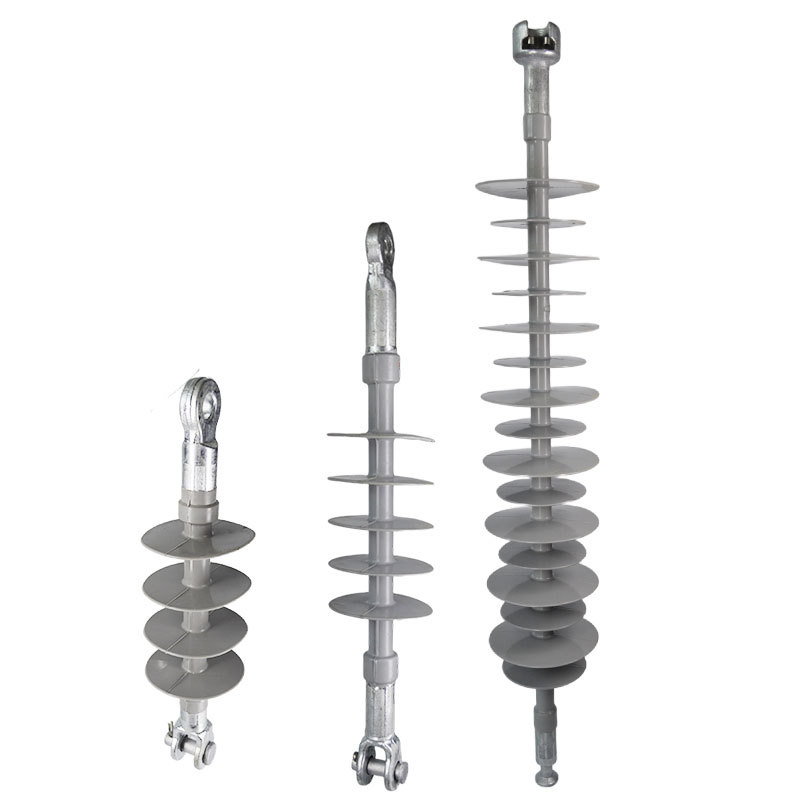
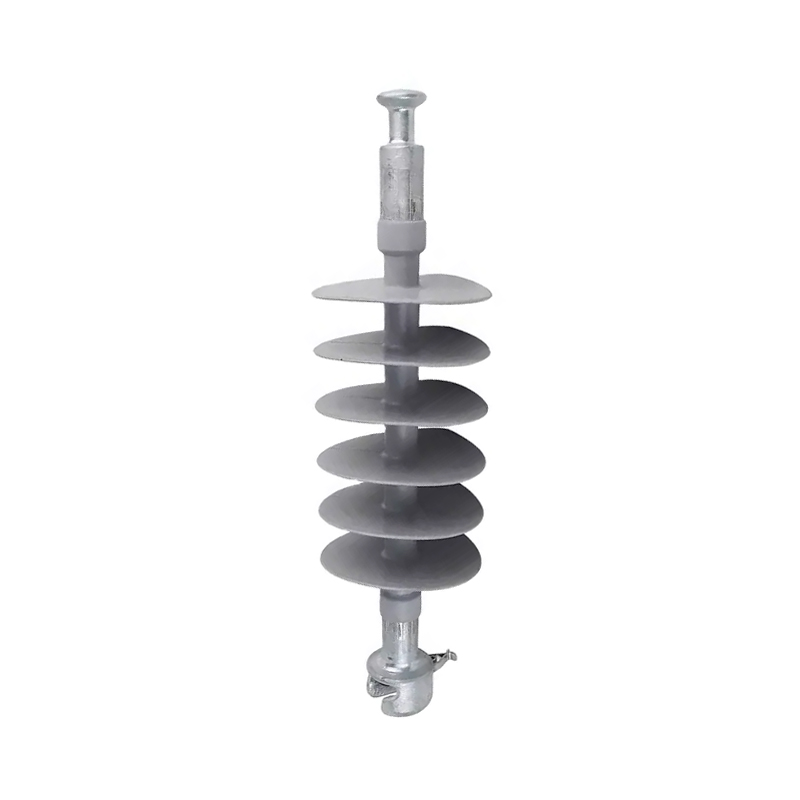
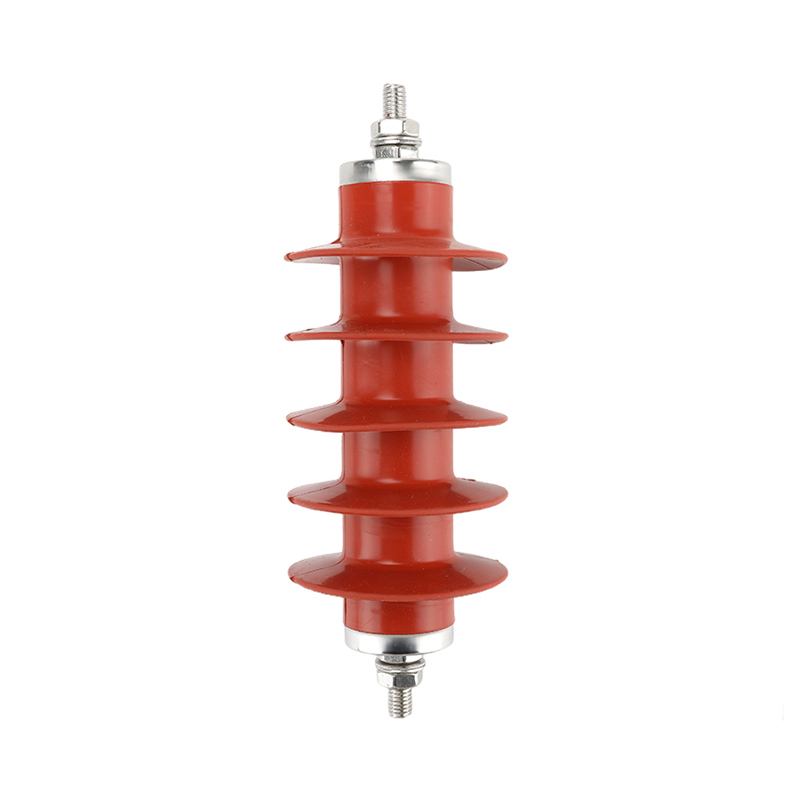
Polymeric Insulator is an electrical insulating device predominantly used in power transmission and distribution, constructed from high-performance polymers such as silicone rubber, EPDM, or composite materials. Its core purpose is to prevent the leakage of electrical current, providing mechanical support and separation between conductors and supporting structures. Unlike traditional porcelain or glass insulators, polymeric variants offer enhanced mechanical strength, reduced weight, and greater adaptability to demanding environments.
Key Advantages Over Ceramic and Glass Insulators
The adoption of Polymeric Insulator technology has accelerated due to its clear advantages:
Lightweight Design: Polymeric insulators are much lighter, facilitating easier installation and reducing costs in handling.
Enhanced Durability: Their flexible nature makes them resistant to cracking and breakage, ideal for installations exposed to mechanical stress.
Hydrophobic Surface: Polymeric materials repel water, reducing leakage currents and minimizing flashover risks in wet or polluted conditions.
Lower Maintenance: The surface properties and durability of polymers require less frequent maintenance compared to glass or ceramic alternatives.
Materials Used: Silicone, EPDM, and Composite Technology
Modern polymeric insulators use materials engineered for both electrical insulation and mechanical strength. Silicone rubber is notable for its hydrophobicity and UV resistance, while EPDM offers toughness against aging and abrasion. Composite insulators typically use a fiberglass core enveloped by a polymeric sheath, blending strength with surface protection. These choices provide resilience against environmental challenges and ensure performance reliability.
Performance in Harsh Environments
Polymeric Insulator solutions are particularly suited for polluted, coastal, or industrial zones. Their hydrophobic surfaces limit the accumulation of conductive contaminants, and their UV and ozone resistance prevent rapid aging. Whether facing salt, chemicals, or dust, polymeric insulators continue functioning with minimal intervention, helping utilities maintain consistent service.
Polymeric Insulator Applications
Polymeric insulators are versatile. Common variants include:
Polymeric Insulator 33kv: Widely used for medium-voltage lines, providing easy handling and safer installation.
Polymer Strain Insulator: Designed to absorb mechanical loads in tension-bearing conductors.
Polymer Suspension Insulator: Used for vertical support of conductors, offering environmental resilience and reduced maintenance.
These insulators are increasingly found in substations and renewable energy networks, complementing the modernization of electrical grids.
Design Considerations and Lifecycle Benefits
Selecting the right Polymeric Insulator demands attention to environmental exposures, mechanical loads, and creepage distance—the length between energized and grounded surfaces. Their lightweight nature reduces transportation and installation costs, while durability ensures longer intervals between replacements. Overall, utilities benefit from better reliability and reduced long-term expenses.
FAQ: Common Questions About Polymeric Insulators
What Is a Polymeric Insulator?
A polymeric insulator is an electrical device made from advanced polymers, used to isolate and support conductors.
What Are Its Advantages?
Light weight, pollution resistance, durability, and reduced maintenance make them superior to ceramic or glass.
How Do They Perform in Harsh Environments?
Hydrophobic surfaces prevent moisture and contaminant build-up, and polymers withstand UV and chemical exposure.
What Are Typical Applications?
They are found in 33kV transmission, strain and suspension roles, and in modern substations.
How Do You Choose the Right Type?
Specify voltage, environmental conditions, mechanical requirements, and seek certified designs from reputable suppliers.
Polymeric insulators are a proven, efficient upgrade for modern electrical systems. Their superior resilience, reduced maintenance, and lighter weight make them a practical choice for utilities facing rapid change and demanding environments. As material technology advances, polymeric insulators are set to further enhance the reliability and sustainability of power networks worldwide.