+86 15657752999


0102030405
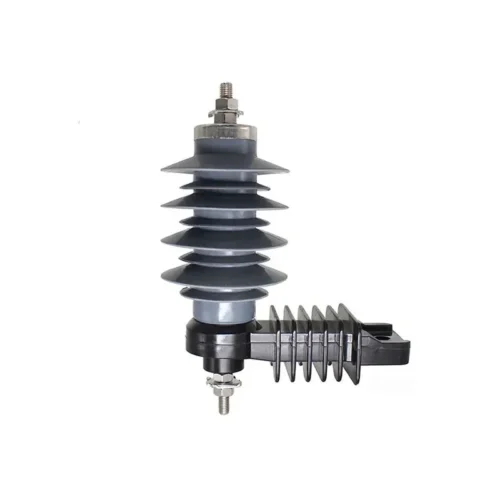
Polymeric Insulator: Types, Advantages & Applications
2026-08-29
It's difficult to stress the relevance of safe insulation in the field of electrical engineering. Among all types of insulation material, polymeric insulators have become the preferred option due to their unique features and characteristics. This article provides information about the different kinds of polymeric insulators, discusses their benefits, and considers such common applications which make them an irreplaceable element of the electrical systems of today.
Types of Polymeric Insulators
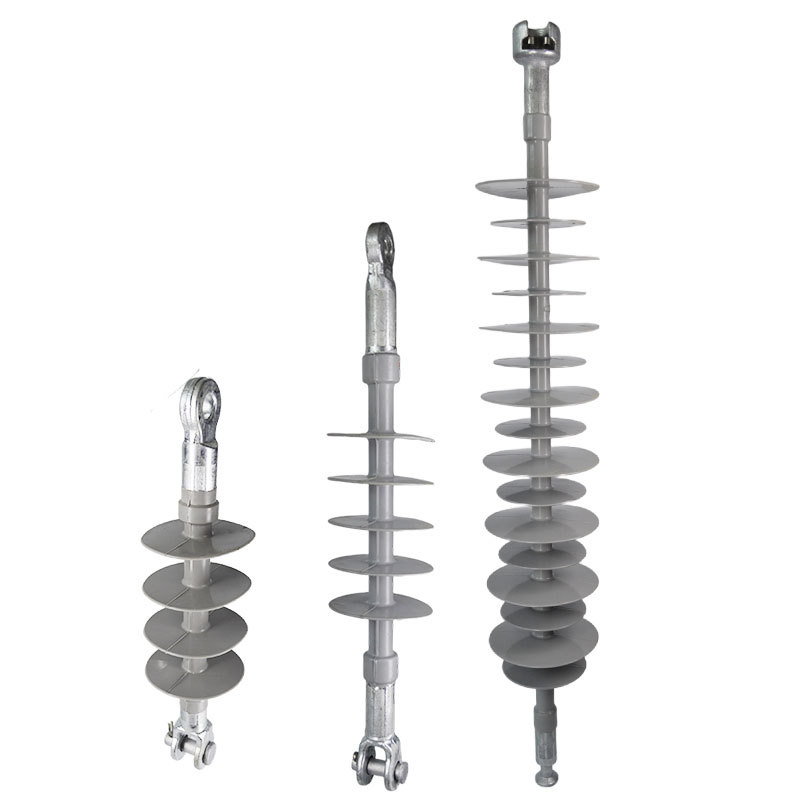
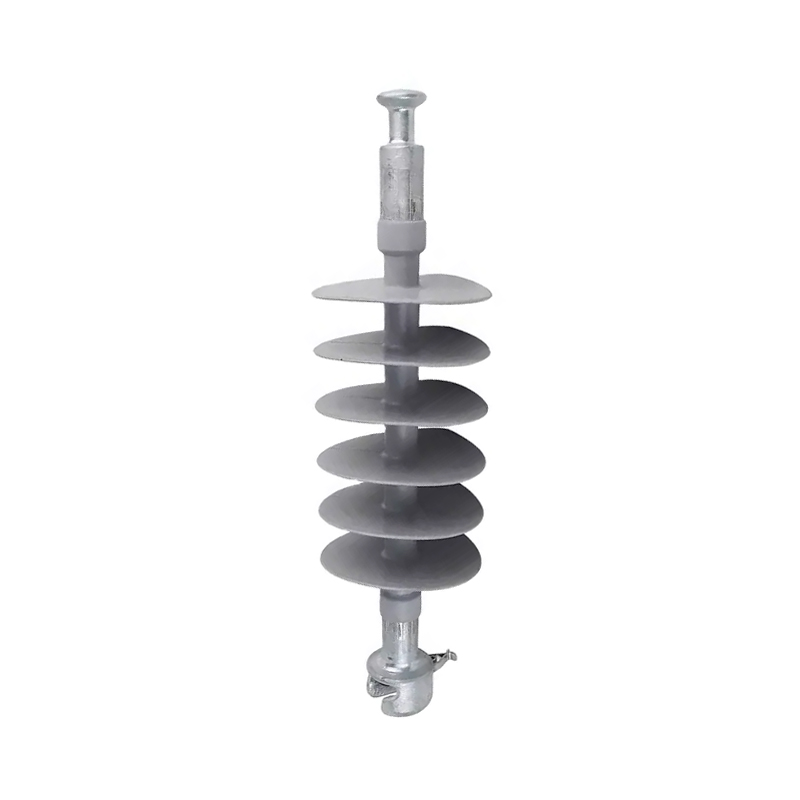
In general, it is possible to categorize polymer insulators into two fundamental groups: polymer tension insulators and polymer suspension insulators.
Polymer tension insulators These devices are usually used in overhead transmission lines, as they assist in maintaining tension in the line and supporting the conductor. These devices are light and very strong and thus suitable for long span applications.
Polymer suspension insulatorsConversely, they are widely used in substations and at the terminals of transmission wires. They are made to hold conductors in place and avoid electrical discharge to the earth, guaranteeing safe and efficient use. Both types use modern materials for maximum performance and durability.
Key Advantages of Polymeric Insulators
Polymeric insulators offer numerous advantages over traditional ceramic and glass insulators:
1. Light Weight: Polymeric insulators are much less heavy than ceramics. This makes implementation process easier and decreases the cost of works related to the installation of the structures.
2. High Pollution Resistance: Polymeric materials exhibit hydrophobic features which help prevent dirt deposit and reduce the chances of pollution-induced failures. This characteristic proves especially useful in extreme conditions.
3. High Strength: Polymer insulators are designed to endure increased mechanical pressure which cuts down the risk of failure or breakage under severe weather conditions.
Having considered that the initial expenses involved may fluctuate, it can be said that the durability and modest upkeep requirements of polymeric insulators lead to savings in the long run since such insulators ultimately prove to be cost-effective for both utility companies and engineers.
Common Applications of Polymeric Insulators
Due to their exceptional properties, polymeric insulators are widely used across various sectors:
1. Power Transmission and Distribution: They are increasingly being utilized in power distribution, especially in difficult working conditions where pollution is high.
2. Renewable Energy Systems: The growth of renewable technologies like wind energy installations and photovoltaic systems has prompted a need for light polymer insulators that can withstand changes in conditions.
3. Urban Electrification Projects: Polymer insulators enable the deployment of effective and compact electrical installations in heavily populated urban areas while maintaining performance and safety.
How to Choose the Right Polymeric Insulator
Selecting the appropriate polymeric insulator involves several considerations:
1. Voltage Rating: Make sure that the insulator is capable of dealing with the peak working voltage of your application.
2. Environmental Conditions: Examine the environmental conditions including the levels of pollution and climate conditions that can influence insulation systems.
3. Mechanical Stress: Think about the mechanical stress to which the insulator will be exposed, making sure that it is sufficiently strong to handle the expected loads.
4. Installation Requirements: The simplicity degree of installation depends on the kind of polymer insulator you choose. Select one that fits the parameters and specifications of your project.
In conclusion, polymer insulators are becoming more popular because of their numerous benefits compared to conventional alternatives. Owing to their light structure and enhanced resistance to environmental impacts, polymer insulators introduce excellent changes in electrical engineering. By knowing the types, benefits, and applications, one can know how to select the most effective types of polymer insulators in order to improve the effectiveness, safety, and performance of electrical systems.