
 +86 15657752999

0102030405
Polymeric vs Porcelain Insulators: Which One Lasts Longer?
2026-06-12
The choice of insulator for electrical applications has long been a topic of discussion between polymeric insulators and porcelain insulators. Both types play a vital role in allowing electrical systems to function properly and safely. However, users can make more informed choices based on their understanding of the comparative longevity and effectiveness of each type of insulator. In this article, we will examine and compare key differences among the two types of insulators; we will also discuss the average lifespan of a polymeric insulator vs. a porcelain insulator, how each type performs in different types of environment, as well as the maintenance needed for each.
Lifespan Comparison of Polymeric and Porcelain Insulators
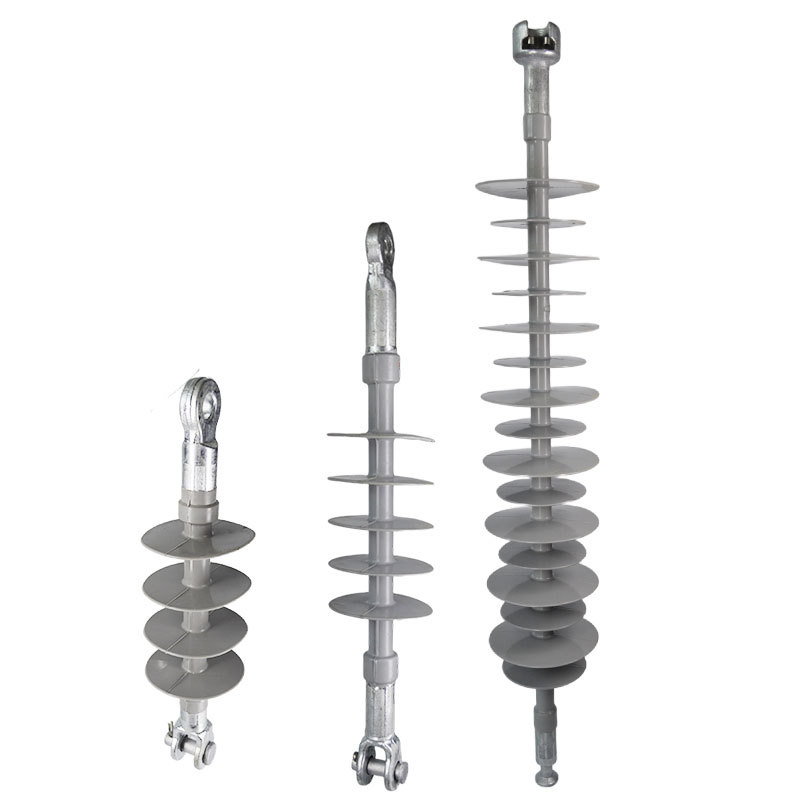
Polymeric insulators like the polymeric insulator 33kV can be expected to last more than 30 years, assuming they are well maintained. Porcelain insulators generally have a life span of between 20 and 30 years, but this depends largely on the environmental conditions and how they are used.
Polymeric insulators differ from porcelain insulators because they are made from composite material and do not crack or degrade, while porcelain insulators are prone to breakage when exposed to extreme weather. Thus, due to being structurally different, polymeric insulators tend to be more durable than porcelain insulators in all applications.
Performance in High Pollution Environments
Performance of insulators in high-pollution environments is another important issue to keep in mind. Generally speaking, polymeric insulators perform better than porcelain insulators in regions with high levels of air pollution or salt deposits. The primary reason for this advantage is due to the non-porous nature of a polymer that prevents the build-up of contaminants, resulting in improved electrical performance and reduced failure rates. Porcelain insulators, however, may experience contamination from dirt and pollutants that could negatively affect electrical insulation performance.
Maintenance Requirements
When assessing insulators, maintenance plays a big part in the evaluation process. Polymeric insulators generally require much less maintenance than ceramic insulators due to their better resistance to environmental conditions. As a result, polymeric insulators do not require nearly as much proactive cleaning or inspection for optimal performance. Conversely, ceramic insulators typically require scheduled maintenance to remain at peak performance, particularly in polluted or coastal regions where they are more likely to degrade.
Other Considerations
When it comes to lifespan, performance and maintenance; consideration must also be given to cost and installation. Although the initial purchase price of polymeric insulators will typically be higher than conventional insulators; the potential long-term savings due to their extended life and reduced service requirements, can make these products a more cost-effective solution. In addition, since polymeric insulators are generally much lighter in weight than other types of insulators, they often make installation procedures less complicated and less time-consuming, which results in lower installation costs.
Frequently Asked Questions
How long do polymeric insulators typically last compared to porcelain?Like porcelain, polymeric insulators usually have a lifespan of around 20-30 years, but polymeric insulators can last longer than 30 years.
Which insulator performs better in high pollution environments?The non-porous construction of polymeric insulator materials makes them less likely to accumulate contamination, thus making them less susceptible to electrical failure than ceramic insulators in areas with high levels of pollution.
Which insulator requires less maintenance: polymeric or porcelain?Porcelain insulators generally require more maintenance due to their need for regular inspection and cleaning.
Ultimately, in assessing the life span of these types of insulation, polymeric insulators will typically have a higher service life than porcelain insulators do under extreme conditions. They also require less maintenance and perform well under high pollution levels. While there may be some differences in purchasing costs, the potential long-term advantages of using polymeric insulators usually exceed any disadvantages. Therefore, by understanding the differences between these two types of insulators, it can help with a decision that balances the cost, performance and longevity of electrical systems, providing a dependable supply of electricity.
