 +86 15657752999

0102030405
Surge Arrester Failure: Causes, Signs, and Prevention
2026-10-09
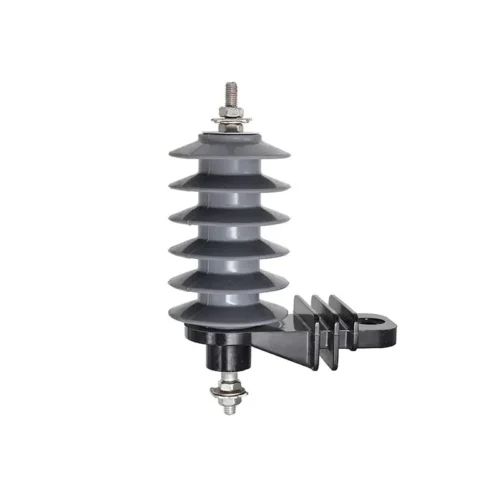
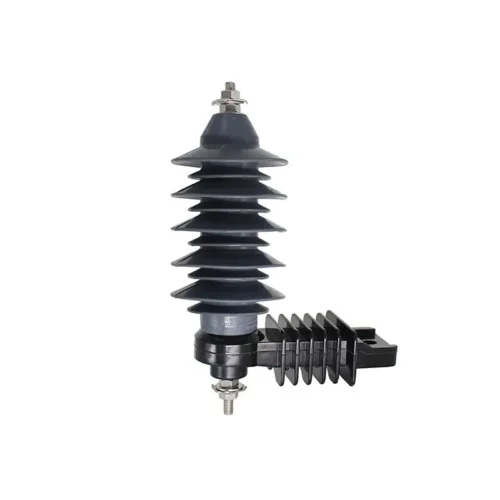
Surge arresters play a vital role in protecting electrical systems from harmful overvoltages due to both lightning strikes and switching operations. These surge protective devices are most notably zinc oxide surge arresters, but there are many types of surge protectors, and all of them direct excess voltage safely to earth and protect important equipment. However, the limitations of surge arresters should also be considered, since they are capable of breaking down and being inactive, leaving systems wide open to unwanted risks. The article gives an overview of the main reasons and signals of problems as well as useful recommendations, which can help those who buy and maintain surge arresters keep surge protection working properly.
What Is a Surge Arrester?
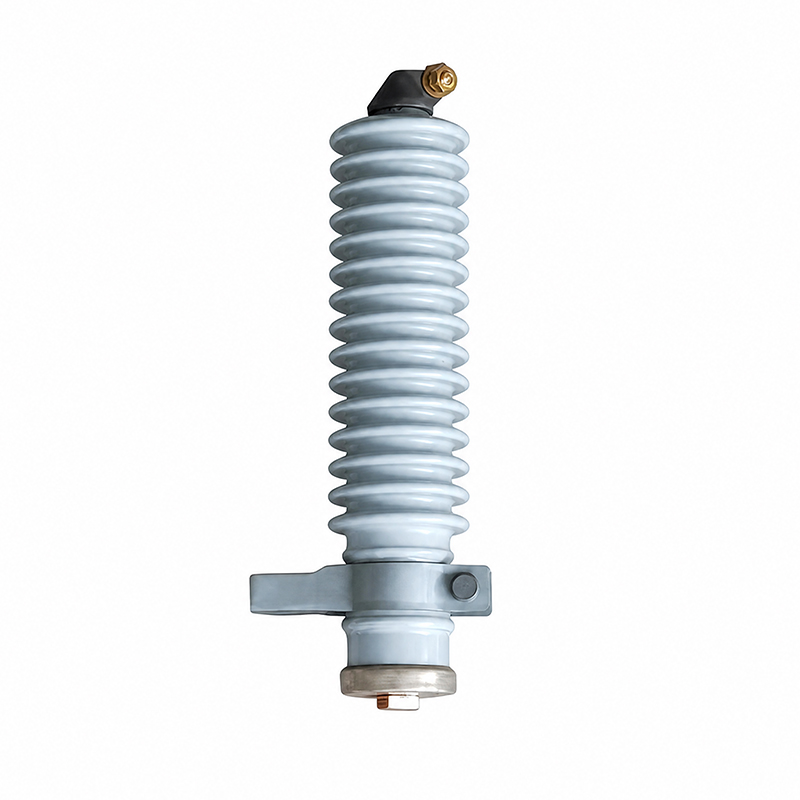
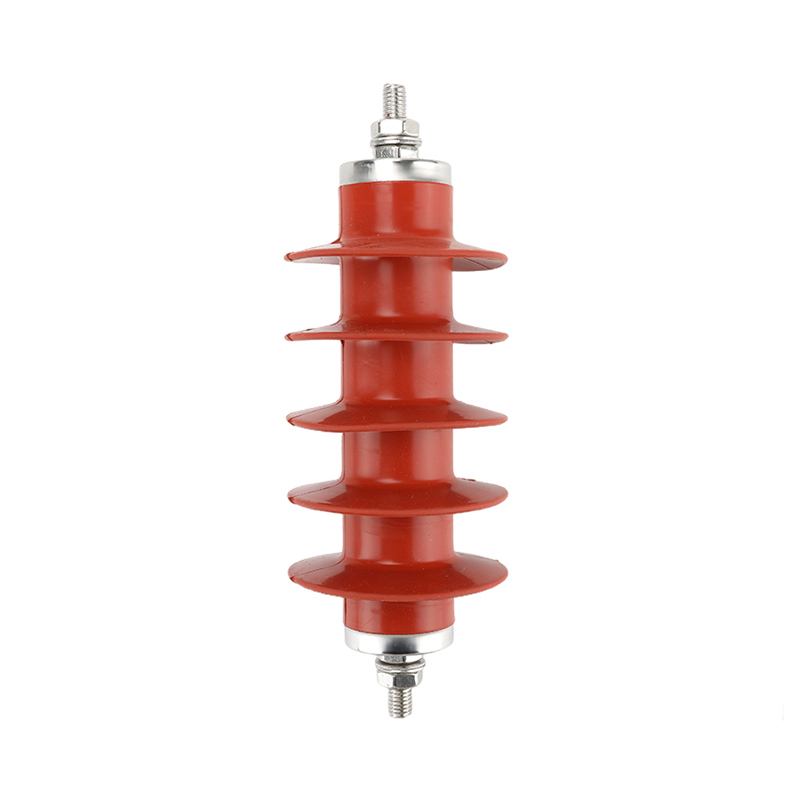
A surge arrester is an electrical device designed to protect devices from electrical surges. Surge arresters do not perform any function during normal operations but quickly intervene in the case of voltage spikes. The zinc oxide surge arrester has found more applications than most because of the ability to respond quickly and its low rate of leakage. Surge arresters are used widely in substations, transmission lines, and buildings.
Common Causes of Surge Arrester Failure
The failure of surge arresters can be attributed to several causes. One of the foremost reasons for the failure is the long-term impact of numerous high energy surges. This gradually leads the components of surge arresters to lose their ability to work due to the deterioration of the materials. Another reason contributing to failures is moisture ingress and inefficient sealing thus leading to corrosion of the inner construction. Dust, salt, chemical vapors are also factors of the danger of failure and insulation breakdown through the contamination of the inner capacitor. Apart from this, there can also be some manufacturing problems or wrong installation leading to malfunctioning of the device. Finally, physical force caused by shocks or vibrations may also damage the device.
Warning Signs of a Failing Surge Arrester
Early detection of surge arrester problems is key to preventing damage. Warning signs include:
- Visible cracks, burn marks, or bulges on the housing
- Sudden increases in leakage current
- Unusual sounds like buzzing or popping
- Frequent failures of protected devices
- Abnormal voltage readings across the arrester
Periodic surveys and testing of electrical systems can also identify these symptoms before they lead to system breakdowns.
Prevention Tips to Extend Surge Arrester Lifespan
A great start to surge arrester upkeep begins with selecting a suitable surge arrester for your situation; examine voltage, anticipated surge exposure, as well as environmental conditions. Proper installation is key; follow instructions provided by the manufacturers and ensure proper electricity connection. Regular inspections are important to detect any physical or electric problems as soon as they appear. In extreme environments, the use of weather-resistant or pollution-proof types will reduce contamination effects. Monitoring systems integrated with surge arresters will provide you with real-time data on their performance and will help in diagnosing any problems. Whenever your surge arresters reach their working term, or following significant overvoltage incidents, make their replacement.
When to Replace a Surge Arrester
Timely change is important in order to secure uninterrupted protection. Surge arresters should be substituted at the times such as:
- They reach the end of their specified service life
- Major surges or lightning events occur
- Inspection or testing reveals physical or electrical deterioration
- System upgrades demand compatible protection devices
Don’t wait for total failure—proactive replacement prevents costly or hazardous breakdowns.
Frequently Asked Questions about Surge Arrester Failure
What causes surge arresters to fail?
Surges, humidity, contamination, flaws in manufacturing, mechanical damages, and mistakes during installation are what cause most of the problems.
What are the warning signs of failure?
Check for any signs of damage to the equipment, unusual levels of leakage current, noise issues, voltage problems, and underperformance of the protected equipment.
How can surge arrester lifespan be prolonged?
Choose the right arresters, install them rightly, and maintain them properly. Always replace them at the end of life or after a major surge.
When is replacement necessary?
Surge arresters must be replaced upon reaching the end of their service life, after a significant surge or after an inspection finds deterioration. Improvements in the electrical system can also make replacement necessary.
Choosing Surge Arresters and Maintaining System Reliability
Choosing the right devices and regular maintenance is the basis of dependable surge protection. So consult with technical experts when designing or upgrading systems. If you have an environment with extreme conditions or risk of damage, consider using zinc oxide surge protectors or those that resist weather conditions. Buy reliable devices and prepare for their replacement when they reach the end of their service life in order to avoid unexpected failures.
In conclusion, surge arrester failure may result in expensive damage and downtime of electrical systems; however, it can be prevented by making smarter choices, keeping up with maintenance, and understanding when changes need to be made. If users are aware of best practices and can spot signs that something is wrong, then they can make sure that their investment in surge protection is fruitful without any issues.