+86 15657752999


0102030405
Surge Arrester Installation, Maintenance & Testing: Best Practices
2026-08-31
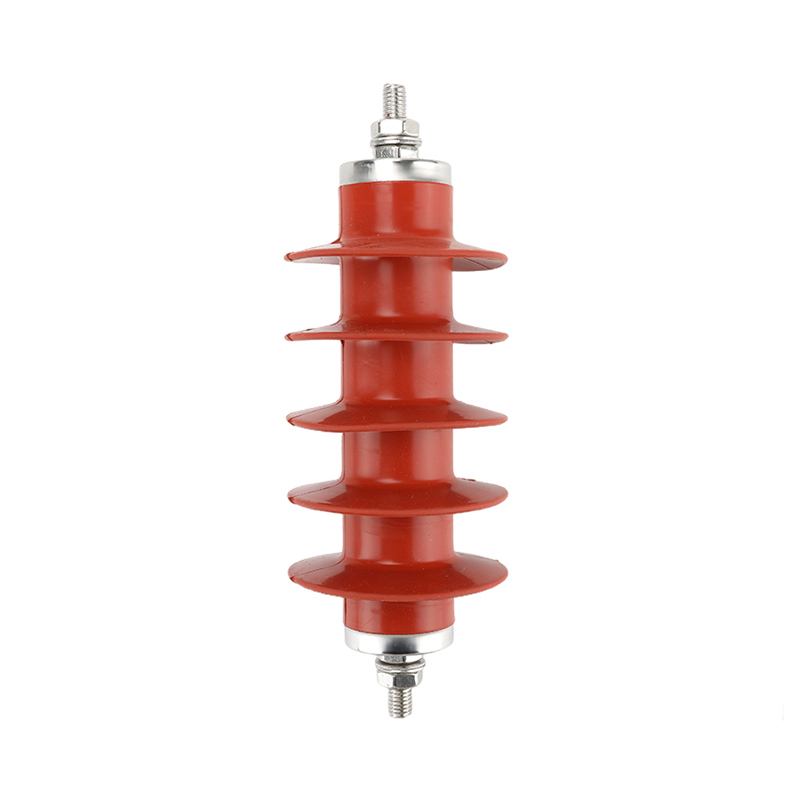
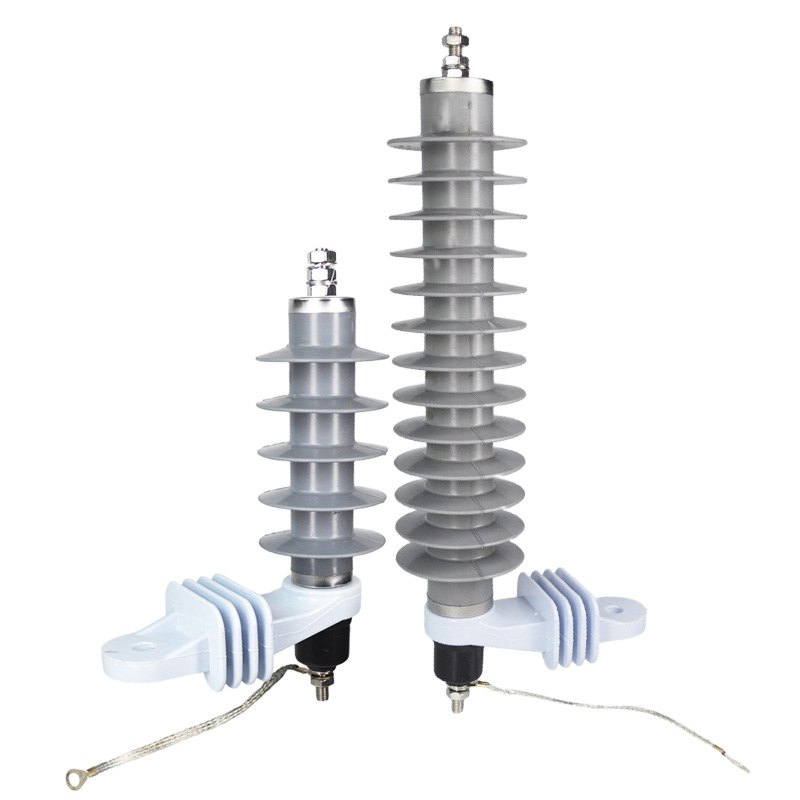
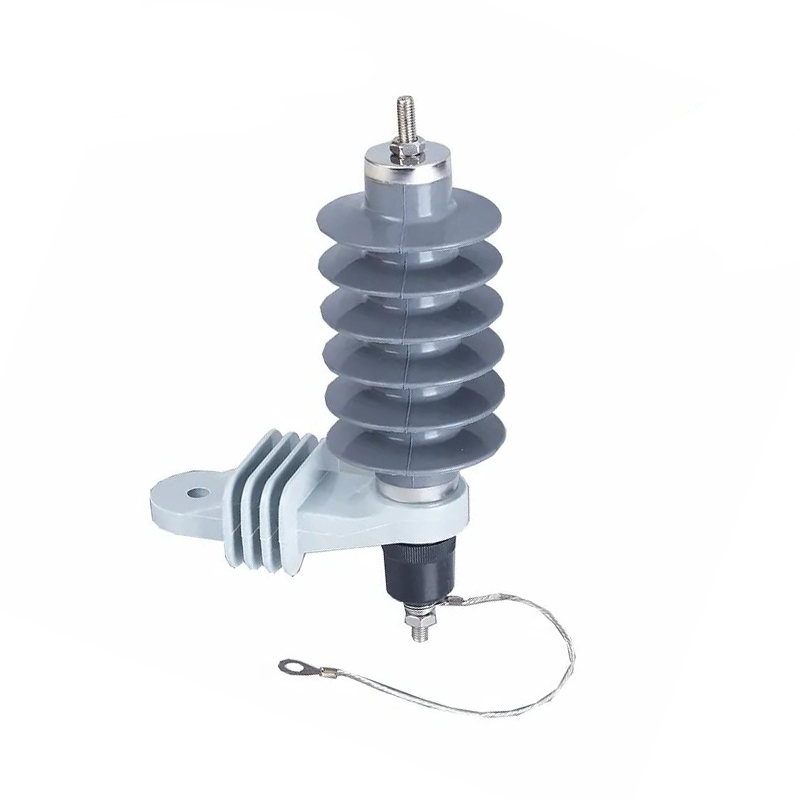
The main purpose of a surge arrester is to protect electrical assets like transformers, switchgear, motors, cables, solar panels, etc., from lightning, switching surges, and transitory overvoltages. However, the protection does not depend just on the quality of the product. Other factors such as wrong ratings, lengthy lead wires, inadequate grounding and missed inspections among others can cause poor performance of the arresters and cause severe damage of electrical assets.
This guide includes basic methods of installation, maintenance and testing of Surge Arresters in different circuits under both AC and DC systems.
Select the Right Surge Arrester
Pick the surge arrester according to system voltage, earthing system, temporary overvoltage level, environmental conditions, and protected equipment. The parameters to be checked for AC surge arrester are rated voltage, MCOV, discharge current, and residual voltage.
The design of a DC surge arrester must be unique to a DC system like a solar photovoltaic array, battery storage, EV charging stations, and rail traction. It is essential that AC-rated equipment is not used in a DC environment because of the differences in DC justification and operation.
When it comes to exterior locations, include factors such as pollution level, salt fog, humidity, UV radiation, altitude, and creepage distance in order to make the right choice. Where pollution and high humidity is an issue, the best solution is usually to use silicone rubber-insulated zinc oxide surge arresters.
Installation Guidelines
Install Close to Protected Equipment
Install the protector as near to the transformer bushing, cable end, motor, inverter or other equipment being protected as possible. A longer distance means that a bigger voltage occurs along the wires during a fast surge.
Keep Connections Short and Straight
Utilize short and straight leads. Do not use any bends, coiled conductors, or joints. Longer leads give rise to inductive voltage which reduces the level of protection offered by the arrester.
Ensure Reliable Grounding
Attach the earth terminal to a low-resistance grounding system via a properly sized and corrosion-resistant conductor. The grounding conductor should be short, securely connected, and linked to the site’s main grounding system. A weak or corroded earth connection may restrict the safe discharge of surge energy by the surge diverter.
Follow Mechanical Requirements
Use clamps and approved brackets during installation. Avoid excessive mechanical stress on porcelain or polymer materials. Tighten terminals to the manufacturer's recommended torque. If a ground lead disconnector is included, ensure sufficient clearance for it to operate properly in case of a fault.
Pre-Energization Checklist
- Confirm that arrester ratings match the approved electrical design.
- Verify correct phase and earth connections.
- Check terminal torque, cable lugs, and mounting hardware.
- Ensure phase and earth leads are short and direct.
- Verify grounding continuity and bonding.
- Inspect the housing for cracks, contamination, or shipping damage.
- Record the model, serial number, location, and commissioning date.
Routine Maintenance Checklist
Newer metal-oxide surge protectors ask for slight maintenance although some inspections are to be conducted. The frequency of inspections will have to be improved in places with coastal, industrial, dessert, high-pollution, and thunderstorms.
While conducting inspections, look for cracked casings, tracking, flashover marks, rust, loose connections, overheating, dirt, faulty cable lugs, or disconnected grounding wires. In the case of silicone casings, check for torn sheds, worn areas, or deterioration of the surface. If a surge counter is fitted, write down the reading and compare it to previous maintenance checks.
| Environment | Visual Inspection | Condition Testing |
|---|---|---|
| Clean indoor sites | Every 12–24 months | Every 3–5 years |
| Normal outdoor sites | Every 6–12 months | Every 2–3 years |
| Polluted or critical sites | Every 3–6 months | Annually or condition-based |
Testing Methods and Frequency
Visual Inspection and Infrared Thermography
The initial step in evaluating the condition of the arrester is visual examination. Abnormal heating at terminals, ground points, and inside the arrester can be detected by infrared thermography. All phases under same working and weather conditions should be compared. An abnormal hot spot should be very soon checked.
Leakage Current Testing
Leakage current measurement is common for zinc oxide surge arresters, which means that if the leakage current reading goes up, then this may indicate moisture presence, contamination, or aging of the device. Readings should be verified using the historic data and similar devices in other phases.
Reference Voltage and Power Loss Tests
The V-I characterization and tests for power dissipation can provide more detailed diagnostic data. The tests involved need special equipment and they must be done by qualified technicians in the event of a planned shutdown.
Use Insulation Resistance Testing With Caution
Megohmmeter testing is not always applicable with the newer metal-oxide surge arresters. Insulation resistance tests should only be performed when the manufacturer’s procedure, including the test voltage and acceptance criteria, has been approved.
Common Installation Mistakes to Avoid
Some typical mistakes include the choice of an arrester based solely on its nominal voltage, making use of excessively long leads, connecting to bad grounds, placing the arrester far away from the equipment being protected, using AC arresters in a DC system, and ignoring the required torque for terminations.
You should not inhibit disconnector functioning, and do not disregard arrester after lightning strike , fault in the system and abnormal trip. Replace devices with damaged shells, functioning of pressure relieving, severe tracking, overheating, damaged terminals or non-standard leakage current indicators.
FAQ
How often should surge arresters be inspected?
Under regular circumstances, it is necessary to perform inspections at least once a year. For places that are severely polluted, located near oceans, or prone to lightning incidents, inspections can be required every three to six months.
Can an AC surge arrester be used in a solar DC system?
No. Solar photovoltaic and battery systems need a direct current surge arrester that can handle the highest possible direct current voltage and operational settings.
What are the signs of arrester failure?
Signs that indicate a problem entail evidence of any cracks, signs of burning, and the disconnector being detached. The presence of heat, excess current leakage, severe damage to the terminals, with the appearance of tracks.
When a Surge Arrester is correctly chosen and mounted, it contributes significantly to the reliability of the electrical system. Make sure the leads are of the minimal length, grounding is secure and reliable, the unit is being checked regularly, and its condition is assessed on a regular basis to determine its aging before it leads to equipment failure.