+86 15657752999


0102030405
Surge Arrester Testing and Maintenance: Best Practices for Reliability
2026-09-07
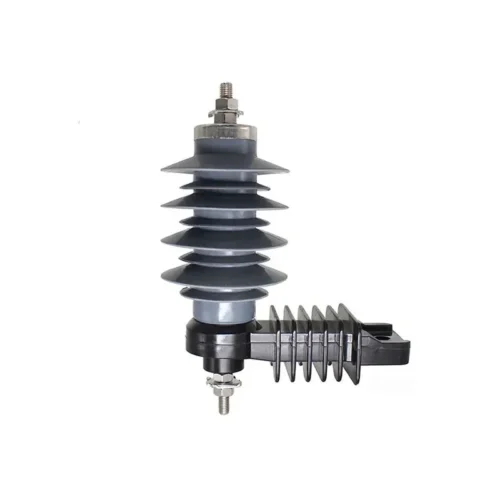
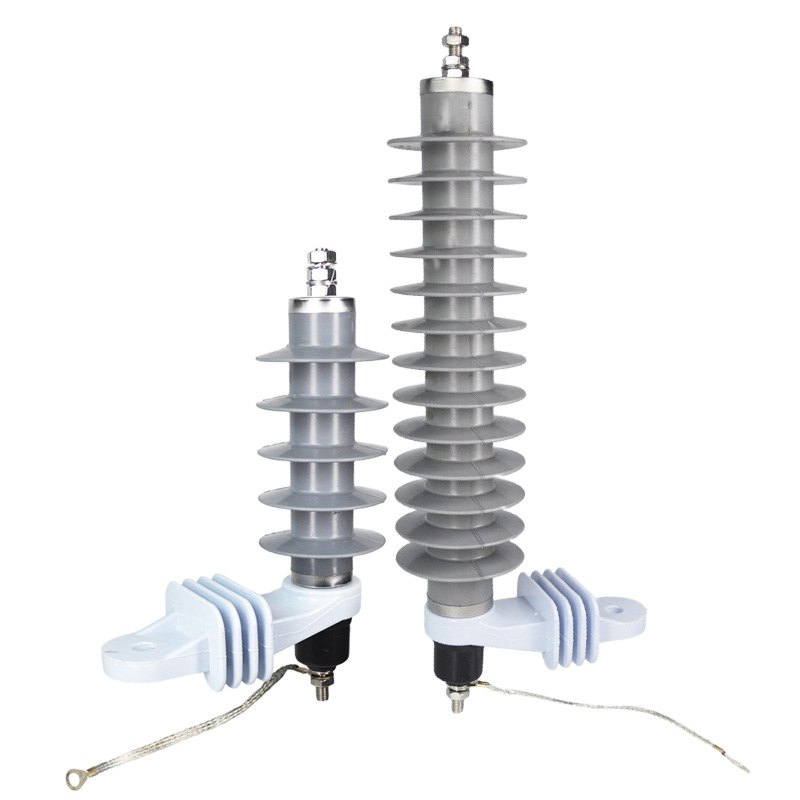
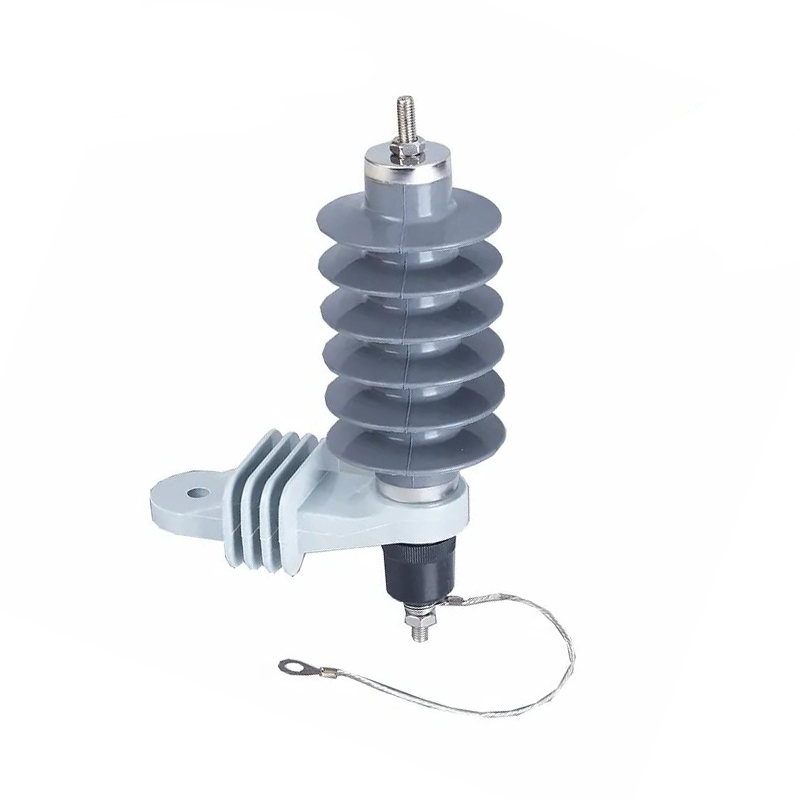
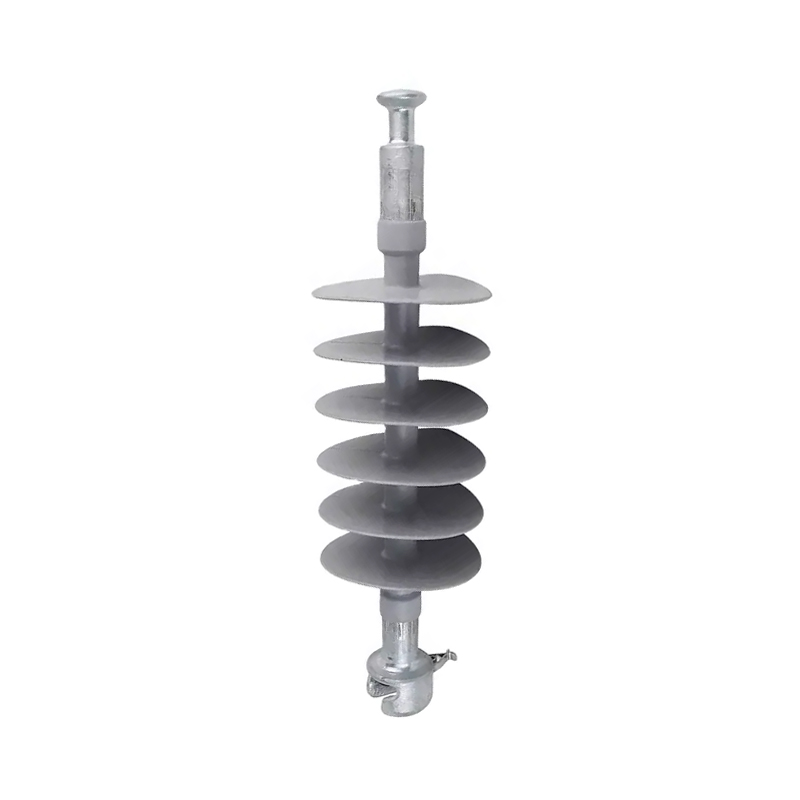
A surge arrestor acts as a protective measure for electrical installations against lightning, switching activities, and transitory overvoltages. Prolonged use would degrade performance due to factors like moisture, dirt, loose contacts, unrelenting surges or improper earthing. Periodic testing plays a crucial role in preventing damage to equipment, fires, or downtimes in operation.
Why Surge Arrester Maintenance Matters
A surge arrester transfers any surplus voltage safely to the ground. The majority of the new surge arresters make use of a metal oxide varistor, which does not conduct large amounts of electricity during normal operation but effectively responds to a surge event when necessary.
Maintenance validates that the arrester, wiring, and grounding system operate together as a single protection path. It also assists to detect aging or harm before damage progresses. Always follow the manufacturer’s instructions and ensure that high-pressure testing takes place with qualified staff.
Essential Testing Methods
Visual and Mechanical Inspection
Always inspect for evidence of cracking, burning, tracking, corrosion, dirt, humidity, broken seals, untightened terminals, and failure of status indicators. Check all mounting devices and make connections with the recommended tightening torque; do not do it without measuring the parameters.
Grounding and Bonding Checks
Check the earth conductor for any corrosion, damages, excessive length, and sharp turns. The earthing lead must be short, straight, appropriately sized, and well-connected. A good arrester won't be able to provide effective protection without a good ground connection.
Leakage-Current and Thermal Testing
For metal oxide arresters, leakage current measurements can reveal the presence of moisture, contaminants and internal ageing. Compare your readings with previous similar cases. Infrared thermography can also detect overheated terminals, loose connections or abnormal heating of the arrester.
Specialist Tests
Reference voltage, residual voltage, and insulation resistance tests may be useful for critical or high voltage installations. Only approved testing instruments and values should be used. Always avoid performing inappropriate high voltage or insulation testing on installed SPDs.
Recommended Maintenance Schedule
| Timing | Recommended checks |
|---|---|
| Commissioning | Confirm ratings, wiring, grounding, torque, clearances, and baseline readings. |
| Routine inspection | Check the enclosure, terminals, ground path, contamination, corrosion, and indicators. |
| Annually or according to site risk | Perform detailed inspection, thermal scanning, grounding checks, and suitable electrical tests. |
| After lightning or a fault | Inspect the arrester, connected equipment, surge counter, alarms, and test results. |
Tough environments, regular lightning occurrence, renewable energy systems, substations, hospitals, and data centers might need continuous or shorter intervals of monitoring.
Common Mistakes to Avoid
Avoid depend solely on visual inspections of your grounding system and using the wrong testing voltage or replacing surge arresters without checking their ratings. Just because an AC surge arrester works for AC does not mean it will work for a DC gear, such as a solar power system. Ensure that the voltage, maximum continuous operating voltage, current discharge, the level of protection of the gear, the short circuit rating, the polarity and configuration of the system have been checked before replacing the arrester.
Make sure to document the dates of tests, measurements taken, weather and load conditions at the time of testing, identification of the equipment, defects found, and corrective actions taken. Generally, trends are more helpful than any single measure.
Frequently Asked Questions
Why does regular testing matter?
It identifies aging, overheating, moisture, broken connections, and grounding issues before they result in failure of the equipment.
When should a surge arrester be replaced?
Substitute it whenever clear damage happens, the device overheats, the indicator does not work, there are signs of arcing, or results exceed the thresholds established by the manufacturer.
Can an AC arrester be used in a DC system?
The only time it can be used is when it has been rated and approved by the manufacturer for that specific DC application. The manufacturer's specifications should be verified.
Proper surge protection goes beyond simply fitting the right system. Maintenance checks, adequate testing, good earthing practices, keeping good records and taking timely actions are all ways to safeguard the devices and reduce expensive downtime.