 +86 15657752999

0102030405
Surge Arrester: Testing, Replacement & Troubleshooting
2026-10-12
Protecting electrical systems from unexpected voltage surges is essential for the safety and reliability of both industrial and residential power networks. A surge arrester acts as a line of defense, diverting excess voltages from events like lightning strikes, switching operations, or faults safely to the ground. Understanding how to test, replace, and troubleshoot surge arresters helps ensure your equipment stays protected, minimizing costly downtime and repairs.
What is a Surge Arrester?
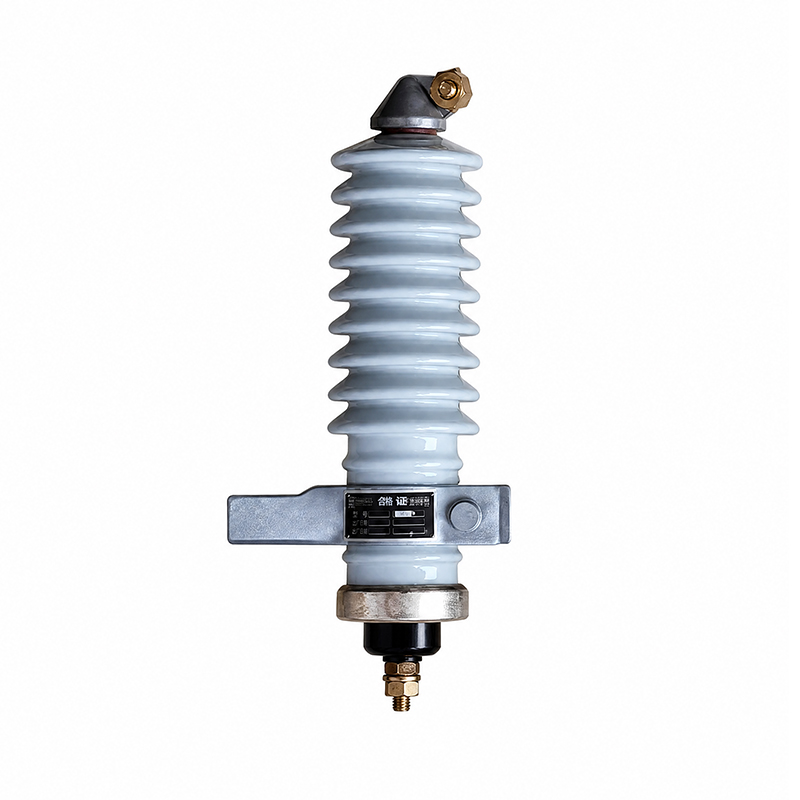
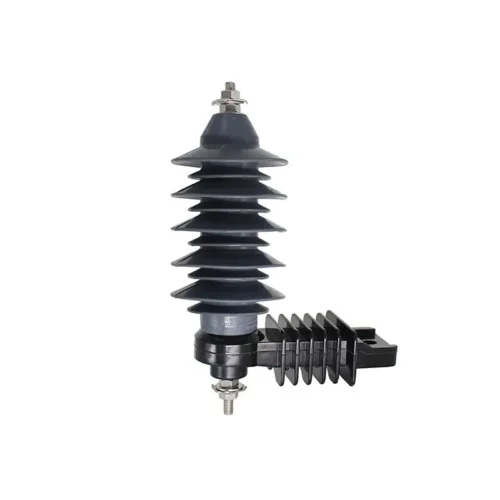
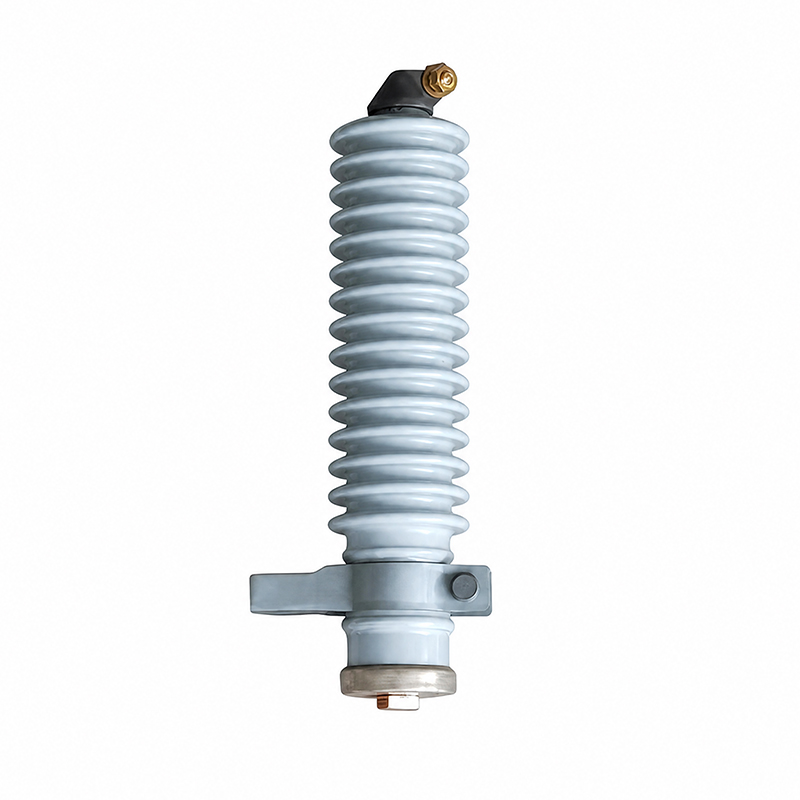
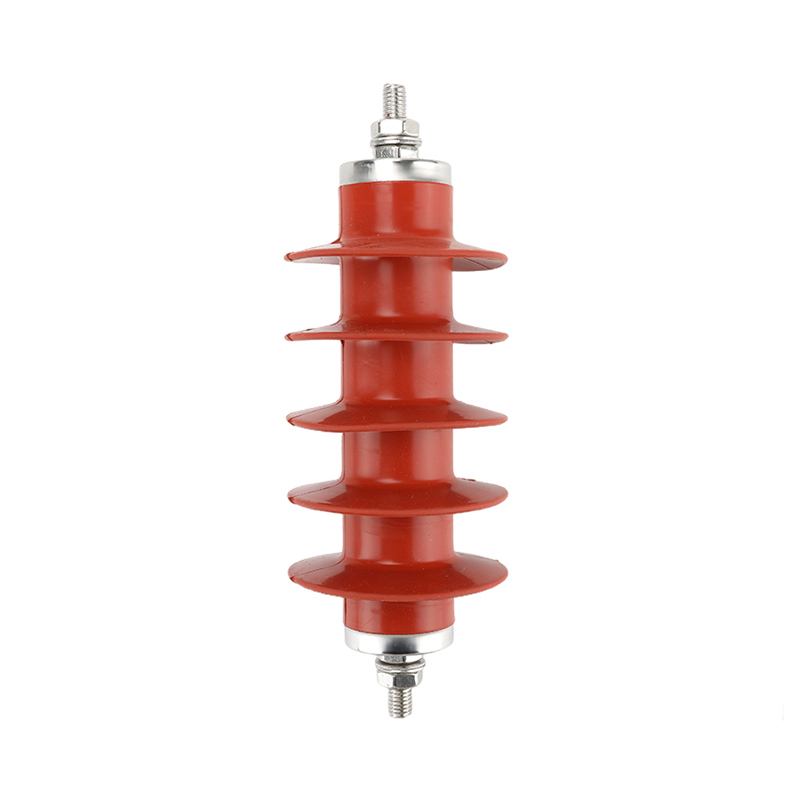
A surge arrester is a device designed to protect electrical equipment by channeling transient overvoltages to ground, thus preventing damage or failure. They are commonly used in substations, transmission lines, solar power systems, data centers, and home electrical panels. Surge arresters operate by reacting instantly to voltage spikes and then restoring normal operation once the surge passes.
Types of Surge Arresters
AC Surge Arrester: Used to protect systems operating with alternating current, primarily found in power grids and residential distribution panels.
DC Surge Arrester: Provides necessary protection in solar installations, DC microgrids, and battery-based power systems, reacting to high voltage spikes in direct current lines.
Breaker-Integrated Surge Arrester: Some circuit breakers incorporate surge protection, allowing for protection against both overcurrent and voltage surges through a single device, simplifying maintenance and installation.
Testing a Surge Arrester
Regular testing of surge arresters is crucial to ensure they respond when needed. The main procedures include:
Visual Inspection: Check for cracks, corrosion, or discoloration. Physical signs usually indicate the need for replacement.
Insulation Resistance: Use a megohmmeter to test insulation. Low resistance can signal deterioration or moisture ingress.
Leakage Current Test: Measure the current passing through the arrester during normal conditions. An increase is often an early indicator of internal wear.
Thermal imaging can also be useful for spotting hot spots that suggest internal breakdown, while power-frequency voltage tests confirm the arrester’s reliability under normal system voltages.
Common Surge Arrester Issues and Causes
Common surge arrester problems include:
Moisture Ingress: Water penetration reduces insulation and leads to failure. Results from exposure to weather or poor enclosure sealing.
Surface Contamination: Accumulated dust and pollution can cause tracking and flashover, especially outdoors.
Aging: MOV-based arresters progressively wear out, seen as rising leakage current and reduced surge absorption.
Incorrect Installation: Poor connections or inadequate grounding compromise the device’s effectiveness.
These faults may cause visible damage or a decrease in system performance, highlighting the importance of routine checks.
When and How to Replace a Surge Arrester
Replace a surge arrester when:
- Test results show low insulation resistance, high leakage current, or power-frequency breakdown
- There are visible cracks, burn marks, or signs of water entry
- The arrester is past its service life as recommended by the manufacturer (often 10-15 years)
To replace, first isolate power safely. Remove the damaged unit, verify condition of grounding, and install a compatible new arrester following manufacturer instructions. Always commission with post-installation testing before returning the system to service.
Troubleshooting Surge Arrester Problems
When equipment downstream of a surge arrester trips or fails, or if you notice visible arrester damage, odors, or unusual sounds, start troubleshooting:
- Inspect for obvious physical damage.
- Test insulation resistance and leakage current.
- If frequent surge activations are identified, consider evaluating system stability and possibly upgrading the surge protection level.
- For combination devices (like breaker+arrester), investigate for false trips and reset breakers as needed.
Always document faults and corrective actions to maintain future system reliability.
Best Practices for Surge Arrester Installation and Maintenance
Follow these tips to optimize surge arrester performance:
- Install as close as possible to the equipment to be protected, minimizing wire length for better energy diversion.
- Ensure all ground connections are secure and corrosion-free.
- Conduct scheduled inspections, especially after severe weather or notable surges.
- Refer to product manuals and comply with local electrical codes.
FAQ: Key Surge Arrester Considerations
Why is a surge arrester necessary in an electrical system?
It acts as a protective barrier that redirects sudden voltage spikes away from sensitive equipment, preventing damage and reducing the risk of costly downtime.
What typically causes a surge arrester to fail?
The most frequent culprits are moisture penetration, surface pollution, gradual aging of MOV elements, and improper installation such as weak grounding or loose connections.
How does routine maintenance benefit the overall system?
Scheduled inspections and timely replacements keep the arrester responsive, extend equipment lifespan, and help maintain a safe, reliable power supply over the long term.
In summary, choosing the right surge arrester, regular testing, prompt troubleshooting, and timely replacement all contribute to a safe and resilient electrical system. By understanding and applying these principles, you help safeguard your investments and maintain reliable operations for years to come.