 +86 15657752999

0102030405
Surge Arrester: Working Principles and Practical Application Guidance
2026-11-04
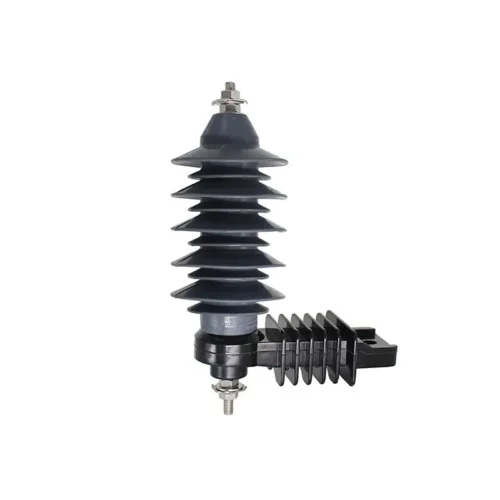
A surge arrester, also commonly referred to as a lightning surge arrester, is critical over‑voltage protection hardware for power networks. Both ac surge arrester and dc surge arrester variants exist to serve distinct system requirements. While its core function seems straightforward, proper selection requires understanding internal working logic, key performance indicators, environmental constraints and the fundamental differences between AC and DC‑rated units. This article delivers neutral technical guidance for distribution‑class surge arresters compliant with IEC 60099‑4:2014 standards.
How Gapless Surge Arresters Operate
Most modern distribution‑grade lightning surge arrester units adopt gapless zinc‑oxide varistor construction. Under normal system operating voltage, varistor blocks maintain extremely high impedance and draw negligible leakage current, so the arrester stays invisible to the live circuit.
When lightning or switching transients generate dangerous over‑voltage, zinc‑oxide components instantly shift to low‑impedance status. The arrester creates a controlled conductive path diverting surge energy safely to ground. Once transient stress fades, varistors return to their high‑resistance state automatically, without creating persistent power‑follow current.
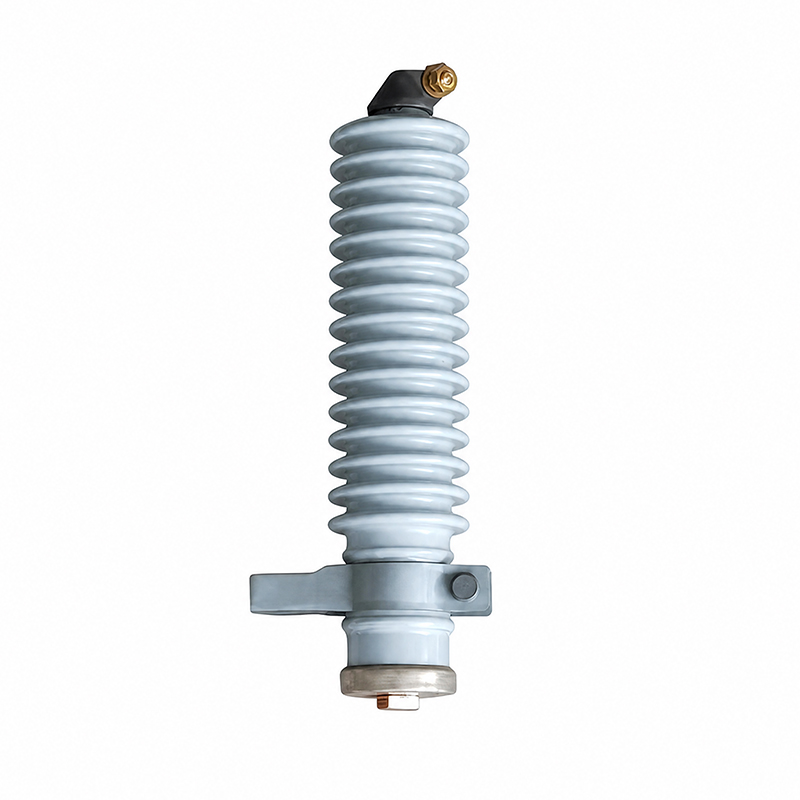
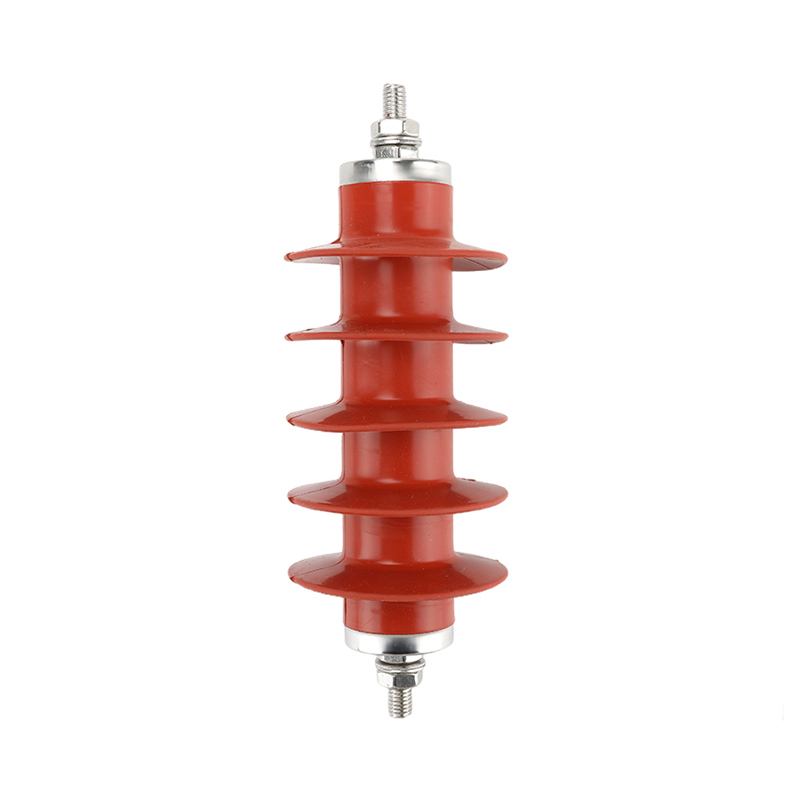
Polymer housings are widely used for outdoor installations. Compared with traditional porcelain housings, polymer construction brings lighter weight, improved anti‑pollution performance and safer failure characteristics for field‑deployed overhead equipment.
AC Surge Arrester vs DC Surge Arrester
It is important not to interchange ac surge arrester and dc surge arrester, even for similar voltage classes.
An ac surge arrester benefits from natural current zero‑crossing points within sinusoidal alternating waveforms, assisting arc extinction after surge events. DC systems feature no periodic zero‑crossing. A dc surge arrester must integrate dedicated internal arc‑quenching and thermal‑disconnect structures to suppress sustained fault current, avoiding thermal runaway risks.
Distribution‑type ac surge arrester solutions are widely deployed for overhead transformers, urban and rural overhead feeders. DC‑specialised units are engineered for photovoltaic arrays, battery energy storage and DC‑powered communication infrastructure.
Core Performance Parameters for Selection
When evaluating a lightning surge arrester, several parameters determine real‑world protection effectiveness beyond nominal system voltage:
- Maximum continuous operating voltage: Represents the highest sustained RMS voltage the arrester can withstand without accelerated thermal ageing. This parameter must match actual grid conditions, as incorrect settings are a leading root‑cause of premature field failure.
- Nominal discharge current: Reflects capacity to handle repeated lightning impulse events. Common distribution‑class options cover 5 kA and 10 kA grades. Higher ratings deliver enhanced survivability for lightning‑prone geographical zones.
- Residual voltage indicators: Lightning impulse residual voltage, steep‑current impulse residual voltage and switching impulse residual voltage define protection levels. Lower residual voltage delivers tighter insulation coordination for connected assets.
- Energy‑withstand capability: Includes long‑duration current impulse and high‑current impulse withstand ratings, which govern performance under multiple successive surge occurrences.
A variety of optional accessories are available for site adaptation, including mounting brackets, disconnectors, earth leads, bird‑guard caps and line clamps to simplify field installation.
Typical Application Boundaries & Service‑Condition Limits
Surge arresters are heavily deployed for overhead distribution transformer over‑voltage defence, within both rural and urban power grids. They deliver reliable suppression for lightning surges and system‑switching transients in heavy‑pollution outdoor environments.
Standard datasheet performance figures apply under defined baseline conditions: maximum ambient temperature of 40 ℃ and altitudes up to 1000 meters.
- Altitude derating: Above 1000 m, reduced air density weakens external insulation performance. Derating assessment is required for mountain‑location deployment.
- Pollution adaptation: Even polymer‑housed lightning surge arrester units have defined pollution‑grade limits. For heavily contaminated sites, insulation specifications must be re‑evaluated instead of relying only on housing material properties.
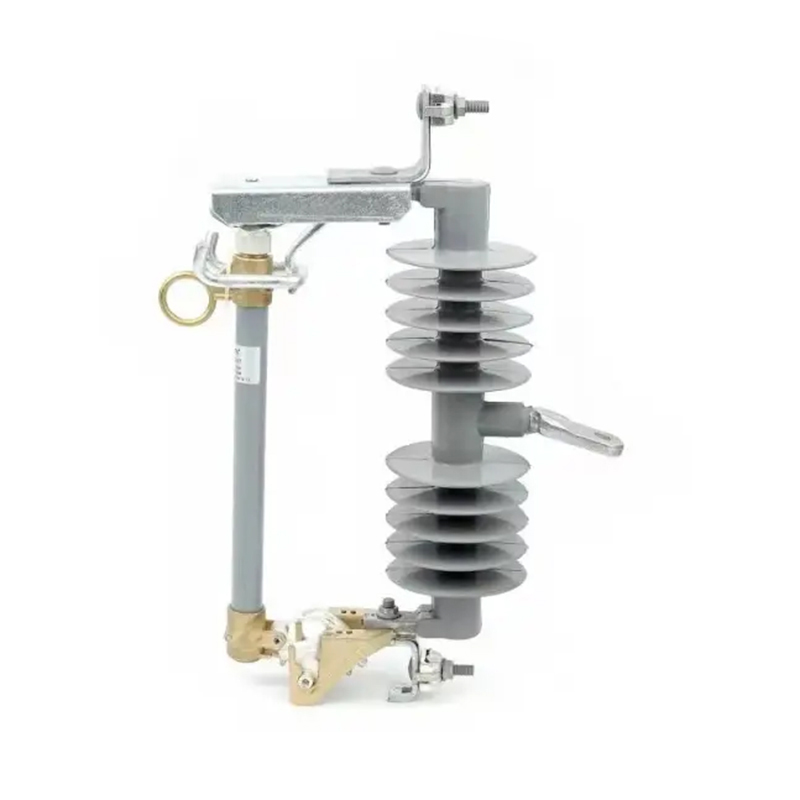
- Accessory matching: Disconnectors are strongly recommended for overhead sites. In case of arrester internal failure, disconnectors create visible isolation to avoid hidden live‑fault hazards on poles.
Conclusion
Surge arresters including ac surge arrester and dc surge arrester form the first‑line defence against destructive transient over‑voltages across power infrastructure. Gapless zinc‑oxide designs dominate modern distribution‑class deployments for their fast response and stable performance. Engineers should never select purely by nominal voltage rating. Always cross‑verify continuous operating voltage, residual‑voltage protection level, energy‑handling capacity and site environmental constraints to achieve long‑term reliable over‑voltage mitigation.
Need technical consultation for surge protection solutions?
If you require advice for lightning surge arrester, ac surge arrester or dc surge arrester selection for distribution‑network projects, share your system voltage, pollution level, altitude and lightning‑exposure conditions. Our engineering team can support you with parameter matching and accessory recommendations.
Frequently Asked Questions
Can an AC‑rated surge arrester be installed on DC power circuits?
It is not permissible. Without natural current zero‑crossing in DC circuits, AC‑designed arresters lack required arc‑suppression structures. Using an ac surge arrester for DC duty may result in sustained internal arcing, thermal runaway and permanent equipment damage.
What function does an arrester disconnector serve in overhead networks?
A disconnector separates the failed surge arrester from earth when internal breakdown occurs. It creates clear visual isolation on pole‑mounted hardware, preventing invisible live‑fault risks and simplifying maintenance identification for field crews.
How does pollution affect outdoor lightning surge arrester service life?
Surface contamination builds leakage current under operating voltage, raising component operating temperature and accelerating varistor ageing. Severe pollution may trigger surface flash‑over. Matching arrester insulation class to site pollution grade is essential.
Is higher nominal discharge current always better for surge protection?
Not necessarily. While higher discharge‑current ratings improve lightning‑surge survivability, they come with extra cost. Selection should be based on local lightning‑stroke density, grid topology and insulation‑coordination requirements rather than blindly specifying maximum available values.