+86 15657752999


0102030405
The Core Function And Principle Of Drop Out Fuse
2026-07-29
When it comes to the topic of electrical distribution, there are many things that should be mentioned. One of the devices that deserves to be pointed out is the Drop Out Fuse which is known for its reliability and functioning effectiveness. This article will elaborate on how this device works, what its principal functions are, and what its basic components are, giving readers a well-rounded idea of how Drop-Out Fuse works and is used in electrical engineering, especially in high voltage installations, e.g. in 11kV or 33kV systems.
What Is a Drop Out Fuse?
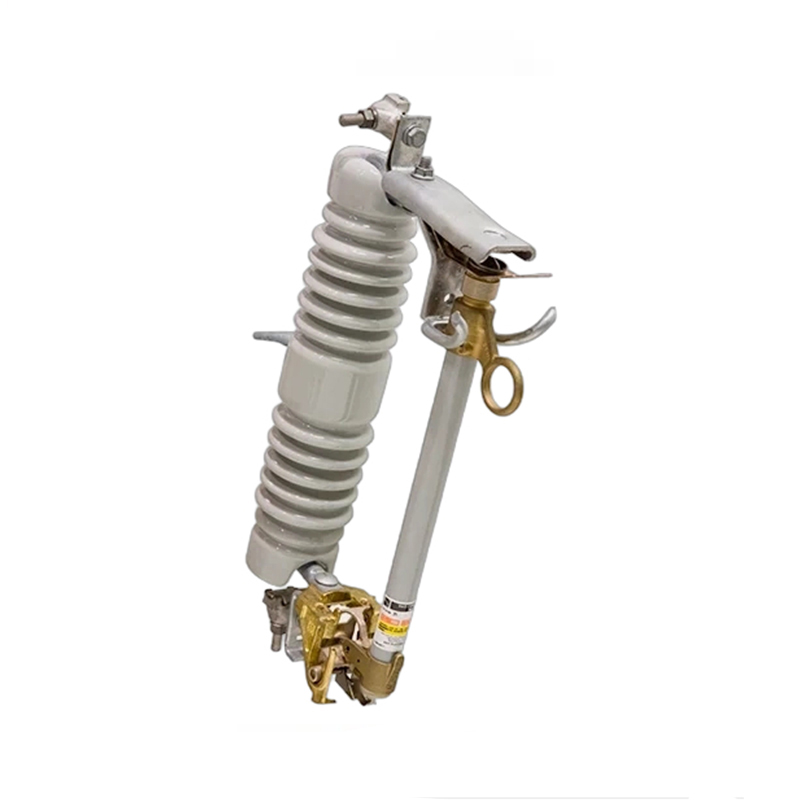
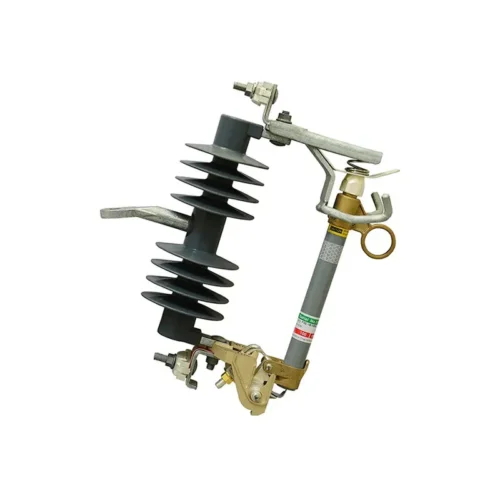
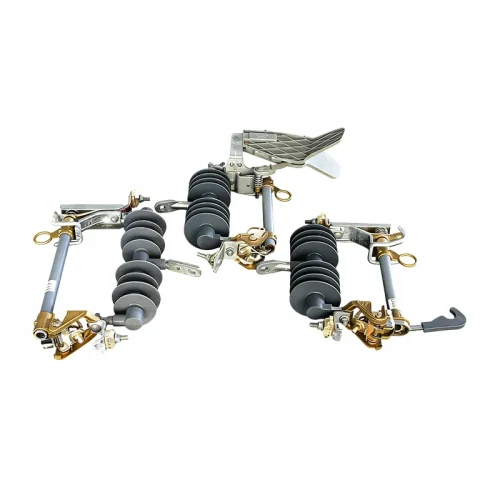
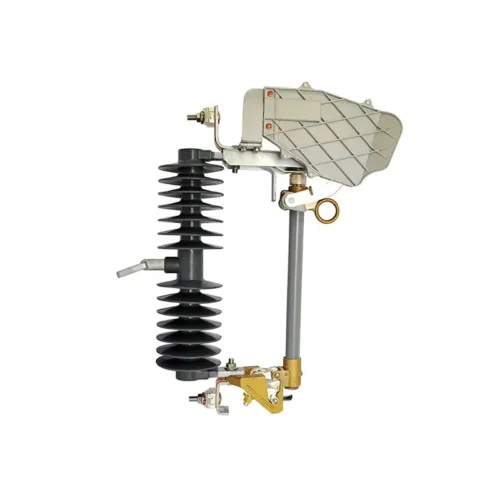
A Drop Out Fuse is an important device for protecting against overcurrent in overhead power distribution systems. It functions by disconnecting part of the circuit in case of failure and helps to prevent damage to the equipment such as transformers and wires. Drop Out Fuse has a visible open state, which makes it easier to perform maintenance on the instrument and provides technicians with safety. Drop Out Fuse is often installed as a circuit protection element in 10 kV power distribution lines. It allows to minimize the area affected by failures, and at the same time the Drop Out Fuse can serve as an isolator switch on the branch where it is installed. When installed on transformers it protects equipment on primary side.
How a Drop Out Fuse Works
The operating mechanism of a Drop-Out Fuse is quite simple. Usually placed on insulators, a fuse has a fuse element that melts in case of a fault and consequently causes the fuse holder to drop off, thus breaking the circuit. Such a working principle serves to safeguard the electrical circuit from faults and at the same time prevent risks such as fire or damage to the equipment.
Key Components of a Drop Out Fuse
A standard Drop Out Fuse comprises several critical components:
1. Fuse Element: The core component that melts when the rated current exceeds the predefined threshold.
2. Fuse Holder: The enclosure that houses the fuse component and is believed to allow the circuit to be openly disconnected in case of faults.
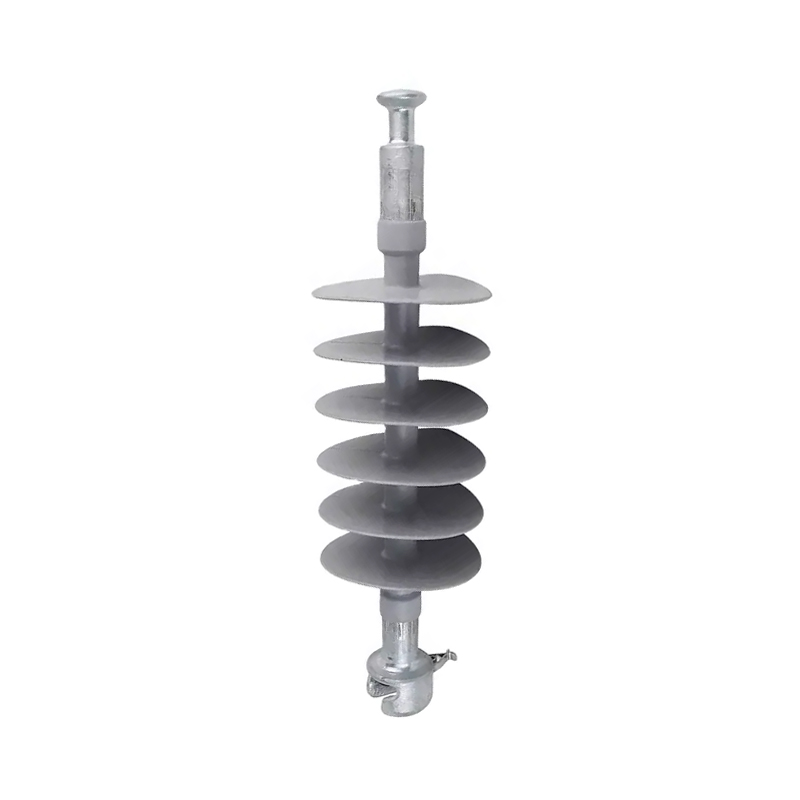
3. Insulator: Usually composed of ceramic or polymer elements, it ensures electrical insulation and assists the fuse assembly.
4. Operating Mechanism: The component comprises a spring and latch mechanism that makes sure that the fuse holder is ejected smoothly when a failure takes place.
The Core Function of a Drop-Out Fuse
A Drop Out Fuse is primarily used to protect against short circuits and overloads. It makes it possible for electrical systems to hit the faults and keep other circuits running simultaneously, and it is very cost-effective and easy to operate and is ideal for outdoor conditions. This component is widely used to provide primary-side protection and work in switching operations in 10kV electrical lines and transformers. In some cases, like with a Drop out fuse 11kV or a Drop out fuse 33kV, the components need to operate under high voltage conditions successfully.
Conclusion
Having knowledge about the Drop Out Fuse and its principles is important for people dealing with electrical engineering or maintenance. Thanks to its effectiveness against overcurrent troubles, this device is very important in making sure electrical distribution systems are reliable and safe. The Drop-Out Fuse is a very important device for any application, be it residential, commercial, or industrial.