+86 15657752999


0102030405
The Core Function And Principle Of Drop Out Fuse
2026-07-08
The most important consideration in electrical systems is to ensure that they are both safe and reliable. A key electrical component that is integral to achieving these objectives is the Drop Out Fuse. Also known as a fuse switch, understanding how this device works and its basic operating principle will allow both individuals and businesses to better protect their electrical systems.
Core Function of a Drop Out Fuse: What Does It Protect?
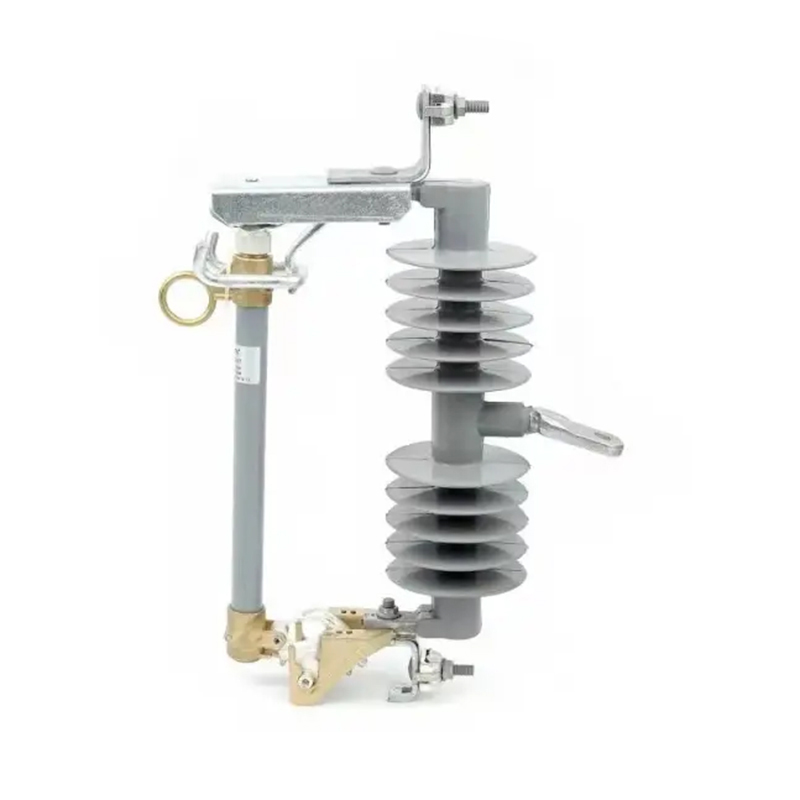
A Drop Out Fuse protects electrical circuits from overcurrent. These fuses were designed specifically for aerial distribution systems and power substations where they provide transformer (an important part of both systems) protection. Drop Out Fuses function by disconnecting the circuit when there is an overload or fault in order to protect the transformers from damage due to excessive heat caused by the overcurrent. Disconnecting the power within the distribution system at the appropriate time will help to maintain stability.
Operating Principle of a Drop Out Fuse: How Does It Work?
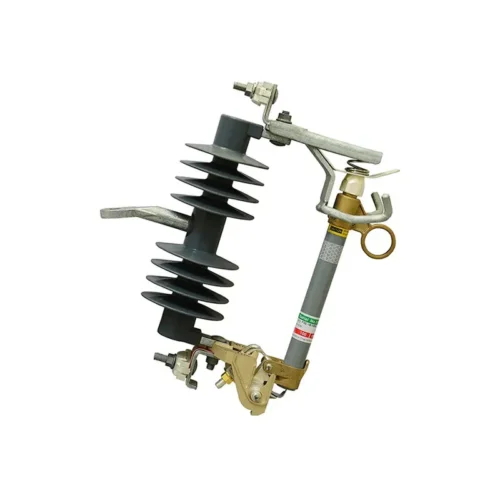
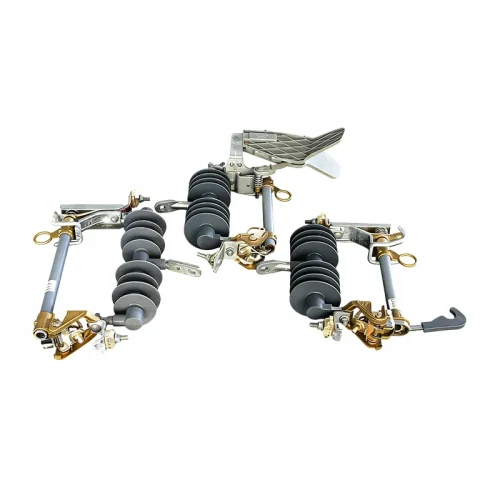
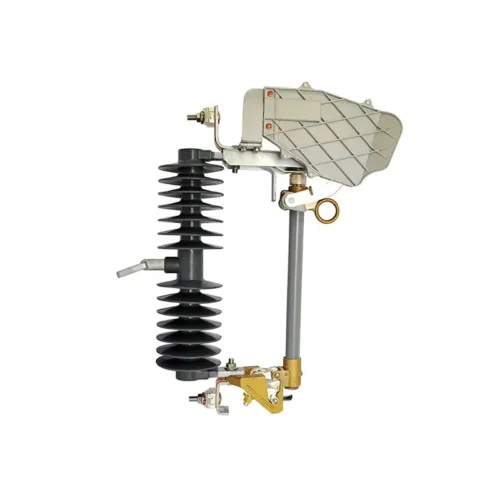
The Drop Out Fuse requires the union of both, the Fuse Holder and Fuse Link to perform its purpose. When current exceeds the rated amount, heat is created in the Fuse Link, causing it to Melt, creating an open circuit. The result is that the device will "drop out" indicating a faulty condition and isolating that part of the network from the rest of the network. Due to the drop-out characteristic of Drop Out Fuses, they are particularly valuable for Transformer Protection in Distribution Networks and Substations.
Fault Current Interruption: The Science Behind Arc Extinction
One major challenge for Drop Out Fuses is preventing arcing; arcing can happen if circuit disruption takes place. Drop Out Fuse designs contain features that help extinguish the Arc quickly once the current has been interrupted. Arc extinguishing principles create conditions to dissipate any ionized air within the Arc itself. Innovative designs help control how much the current flows, and how long it flows, therefore minimizing both the length and strength of the Arc created, which provides additional safety while using a Drop Out Fuse.
Drop Out Fuse vs Other Overcurrent Devices: A Functional Comparison
When assessed against other forms of overcurrent protection devices such as circuit breakers and expulsion fuses, Drop Out Fuses offer distinct advantages. Whereas circuit breakers may be reset following the resolution of the fault condition, Drop Out Fuses operate on a replacement basis following their discharge; this prevents incidental energization of a faulted circuit. Conversely, expulsion fuses are preferred where high fault levels exist; Drop Out Fuses are less expensive and much simpler to use in applications with lower voltage levels. Understanding how Drop Out Fuses function will allow users to select the appropriate type of device for their electrical protection requirements.
FAQs about Drop Out Fuses
What are the limitations of Drop Out Fuses?Drop-out fuses work well in some applications, but not all of them. They are slower than today's circuit breakers; and, they cannot be reused after they have blown.
Where can Drop Out Fuses be purchased?You can purchase these fuses from electrical supply boutiques, online stores, or from industrial suppliers who specialize in equipment.
Are there different voltage ratings for Drop Out Fuses?Indeed, Drop Out Fuses (11,000 volts) are available at different voltage levels and application specific requirements.
To sum up, it is important to know the two main functions of Drop Out Fuses in order to manage electrical safety correctly. Drop Out Fuses are used to help prevent damage to transformers, as well as other important components; they also help maintain the stability of aerial distribution networks and substations. By understanding how these devices work and where they can be used, you can make sure your electrical installation stays safe and reliable.