+86 15657752999


0102030405
Understanding the Polymeric Insulator Advantage
2026-04-22
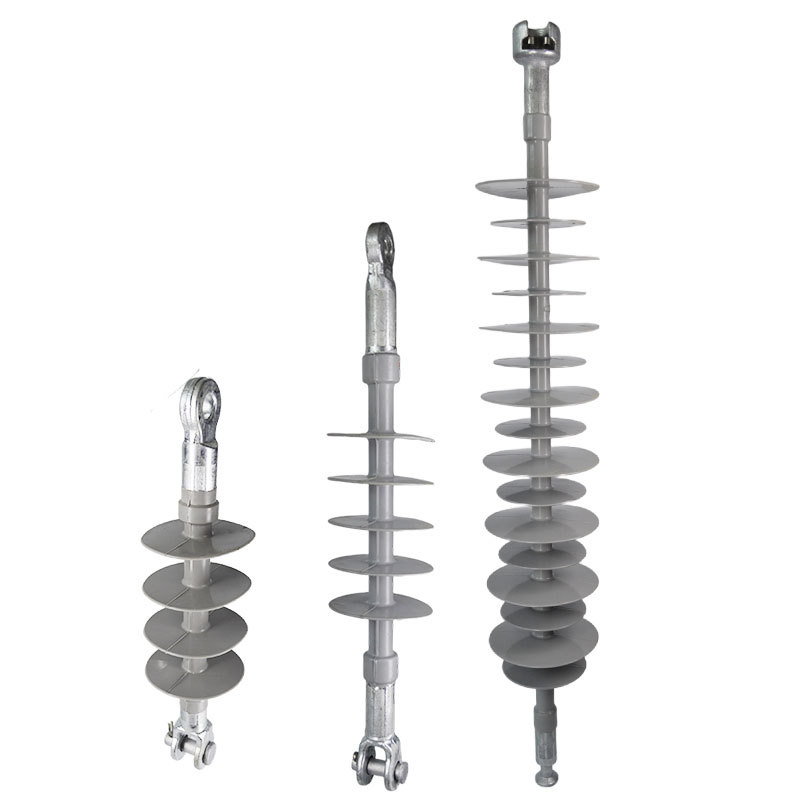
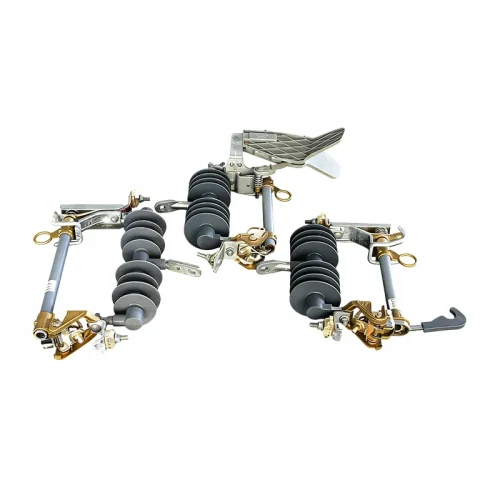
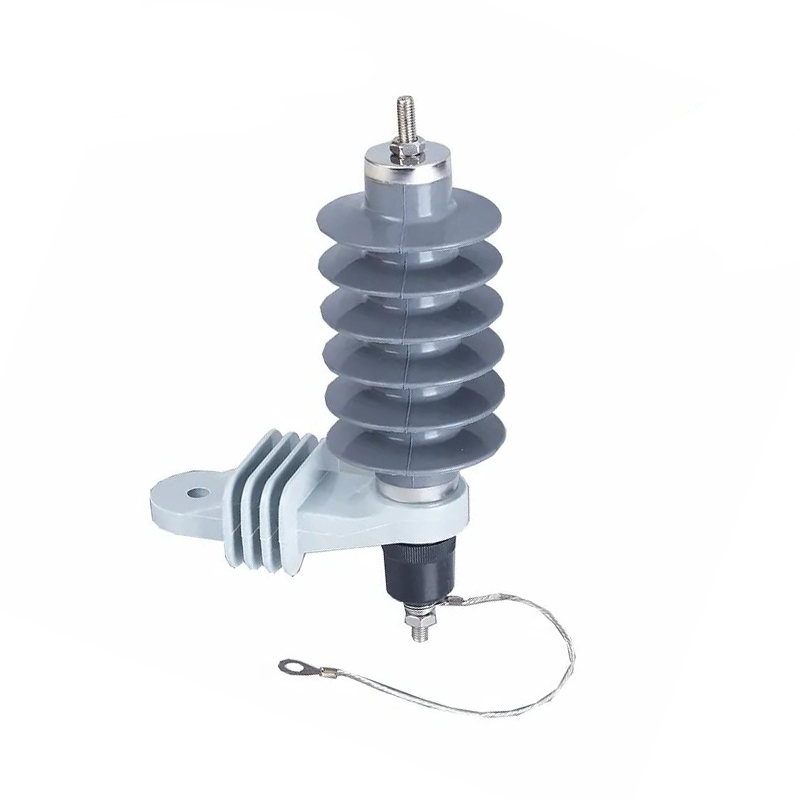
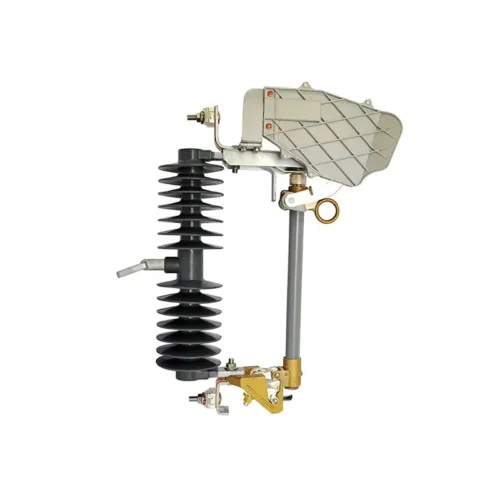
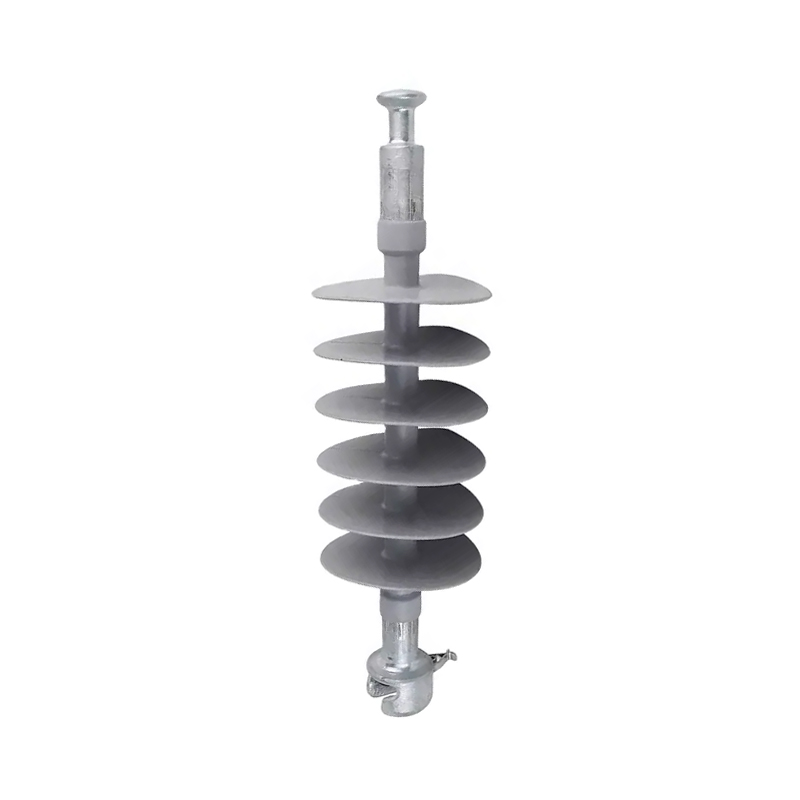
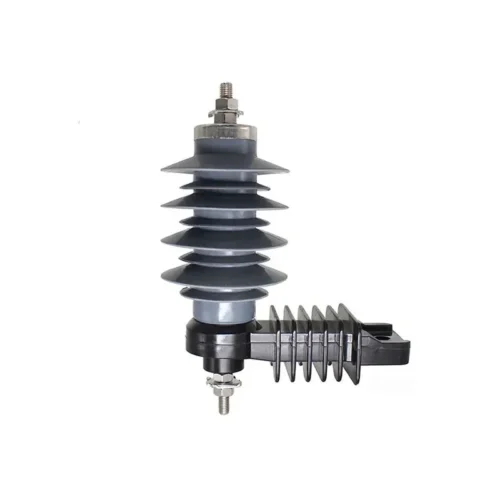
Those ribbed, gray components hanging beneath high-voltage lines are polymeric insulators. They may look unremarkable, but they perform a vital job: supporting heavy conductors while blocking electricity from reaching the pole or tower. A polymeric insulator is modern electrical isolation evolved. Unlike heavy, brittle ceramic or glass, these units feature a fiberglass core inside a weather-resistant polymer housing. They're lighter, tougher, and far better at handling nature's punishment and industrial pollution.
The Shift Away from Porcelain and Glass
For decades, the only game in town was ceramic. Porcelain and glass insulators got the job done, but they came with a long list of headaches for utility crews and facility managers. They are heavy, which makes installation on remote towers expensive and physically demanding. They are brittle, meaning one mishandling during transport or a well-aimed rock from a vandal can shatter the unit. And in areas with heavy coastal salt spray or industrial fallout, ceramic surfaces trap contamination, forming a conductive layer that leads to "flashover" a dangerous arc that trips breakers and kills power.
The introduction of the polymeric insulator solved these pain points directly. The silicone rubber housing is hydrophobic. It literally repels water, causing moisture to bead up and roll off rather than forming a continuous wet film. This property alone dramatically reduces the risk of pollution-related outages. For a buyer or an engineer responsible for maintaining grid reliability, that difference translates into fewer unplanned outages and lower maintenance budgets.
Why Engineers and Procurement Teams Prefer Polymeric Housings
When you start comparing specifications for an upcoming line rebuild or a new substation project, the advantages of moving to polymeric become clear very quickly. Here is what matters in the real world, away from the glossy sales brochures.
Weight Savings That Simplify Installation
A 345kV polymeric insulator often weighs under half its ceramic counterpart. That weight difference directly impacts job planning. Lighter units mean smaller lifting equipment and fewer personnel. Many replacements can be done with a two-person bucket truck crew instead of a crane and rigging team. In rugged, limited-access areas, hand-carrying these insulators uphill saves significant time and reduces crew safety risks.
Superior Performance in Dirty Environments
Coastal zones, cement plants, chemical facilities, and salted highways all demand careful attention to insulator materials. Silicone rubber housings maintain their hydrophobicity long-term. As contamination builds, silicone oils migrate through the dirt layer, encapsulating particles and preserving a dry electrical surface. Ceramic lacks this ability. It accumulates pollution and holds it until a wash crew arrives assuming safe access is even possible.
Durability and Vandalism Resistance
Polymeric insulators don't shatter like glass or porcelain when struck by tools or debris. The fiberglass core provides the tensile strength needed for ice-loaded cables, while the rubber housing absorbs impacts that would destroy ceramic. For utilities facing vandalism, a polymeric unit often shows only a pinhole and continues functioning. A broken glass disc fails instantly, dropping the line.
Common Applications Where Polymeric Makes the Most Sense
While you can use these insulators almost anywhere, there are specific scenarios where choosing polymeric is almost a no-brainer.
- Transmission and Distribution Lines in High Pollution Areas: Coastal substations and industrial corridor lines are the natural habitat for silicone rubber insulators. The hydrophobic properties keep the lights on when the sea fog rolls in.
- Compact Substation Design: Because a polymeric post insulator can handle higher mechanical loads in a smaller package, it allows engineers to design more compact switchyards. This is crucial when real estate inside a city substation is limited and expensive.
- Railway Electrification: Overhead catenary systems subject to constant vibration and mechanical stress rely heavily on the fatigue resistance of the fiberglass core. The lightweight nature also reduces the static load on gantries and support masts.
- Harsh Climate Regions: In places with severe freeze-thaw cycles, water can seep into tiny cracks in ceramic, freeze, expand, and crack the porcelain from the inside out. Polymeric housings flex with the temperature changes and resist this type of internal degradation.
What to Look for When Specifying a Polymeric Insulator
If you are tasked with writing a specification or approving a purchase, don't just ask for "polymeric." There are variations in quality and design that have a direct impact on service life.
- Housing Material: Look for High Temperature Vulcanized (HTV) silicone rubber or Liquid Silicone Rubber (LSR). These materials offer the best long-term hydrophobicity recovery. Cheaper materials like EPDM rubber are available but do not perform as well electrically over a 20-year life span.
- Core Integrity: The fiberglass rod must be sealed perfectly at the end fittings. Any path for moisture to reach the rod will lead to "brittle fracture," a catastrophic failure mode unique to composite insulators. Ensure the manufacturer uses a robust sealing system.
- Tracking and Erosion Resistance: Check the international standards testing. The housing should have passed a 1,000-hour salt fog test or equivalent tracking wheel test to ensure the rubber doesn't erode away under electrical stress.
Reliability That Pays Off Over Time
A polymeric insulator is a set-and-forget component that delivers quietly for decades. For operations, that means fewer truck rolls and less unscheduled work. For engineering, it's simpler handling and a wider safety net against contamination. For the bottom line, the combined savings on installation and extended replacement cycles make the value proposition clear. As the grid stretches to meet rising loads and harsher conditions, polymeric technology offers something beyond hype: a reliable, real-world upgrade for overhead infrastructure that's already proven itself in the field.