+86 15657752999


0102030405
Uses and Applications of Insulators in the Electrical Sector
2026-08-21
Insulators play an important role in electrical engineering, essential for providing safety and efficiency in transmitting and distributing electricity. The article sheds light on the different uses and application of insulators in the electrical sector by studying its main types and their working in power lines and substations along with the process of choosing suitable insulators for a desired function.
Main Types of Insulators Used in the Electrical Sector
Many different kinds of insulators are utilized within the electrical industry, each fulfilling a distinct role. The most frequently encountered insulators include the following:
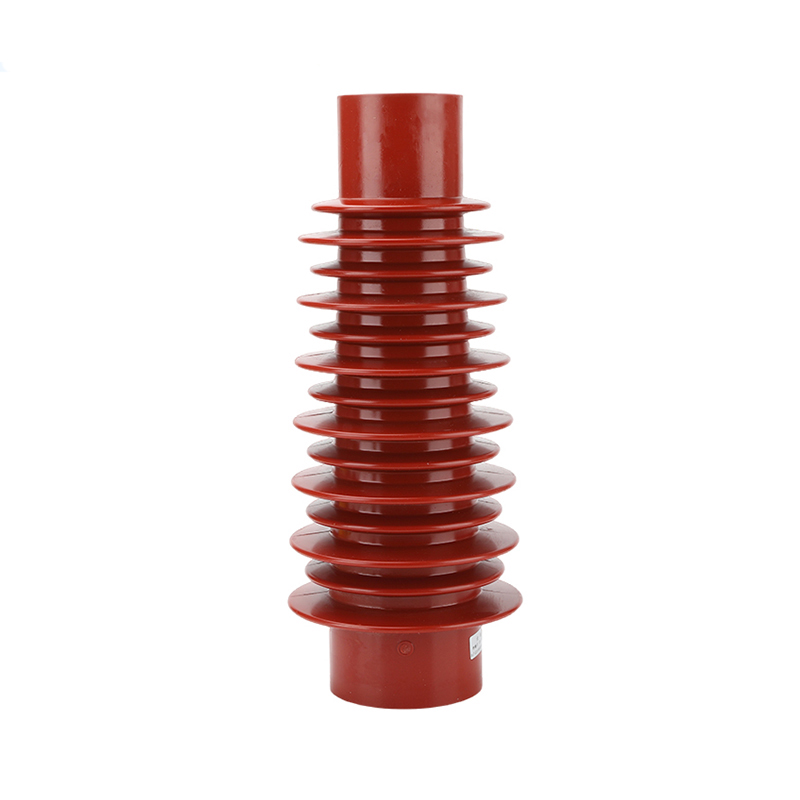
Porcelain Insulators: Porcelain insulators are famous for their strength and insulation properties and are frequently used in high-voltage devices. Thanks to their durability, porcelain insulators can be external because they are used in the electrical line poles.
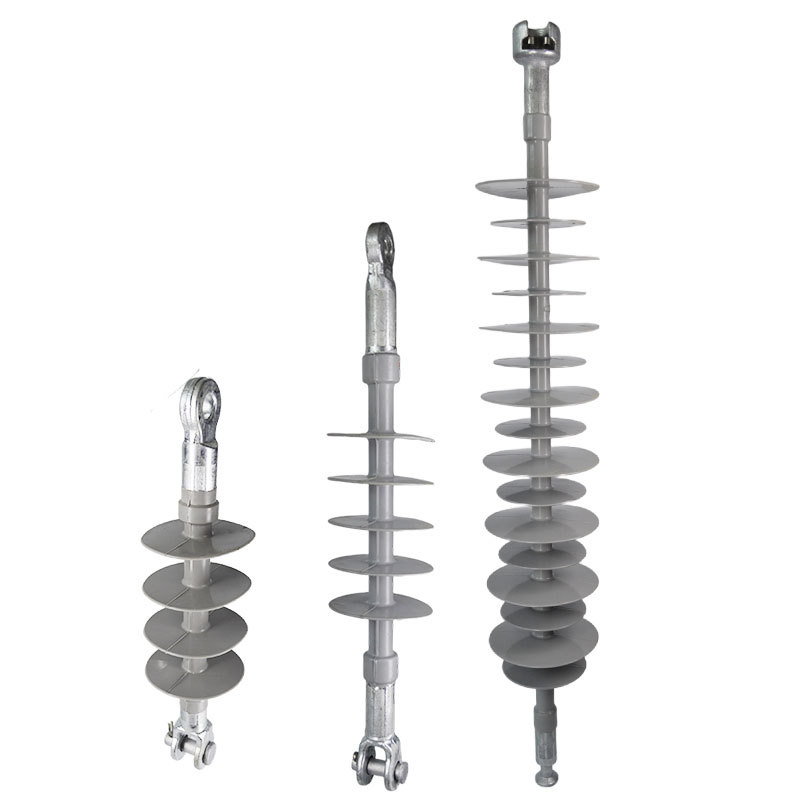
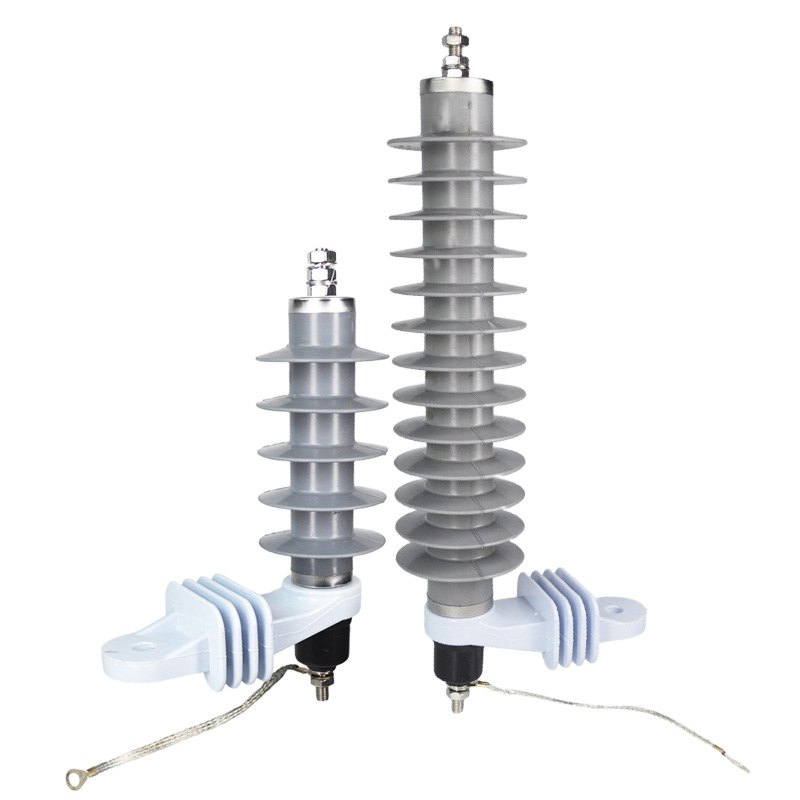
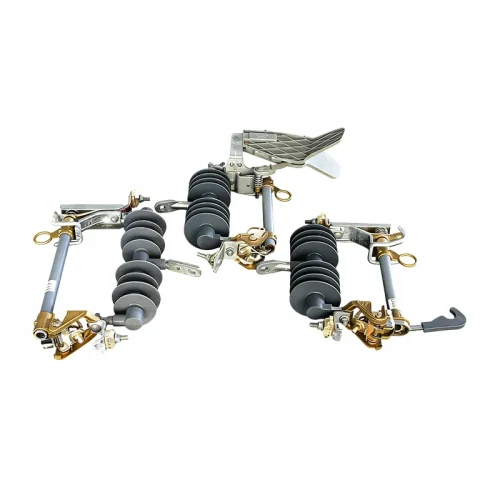
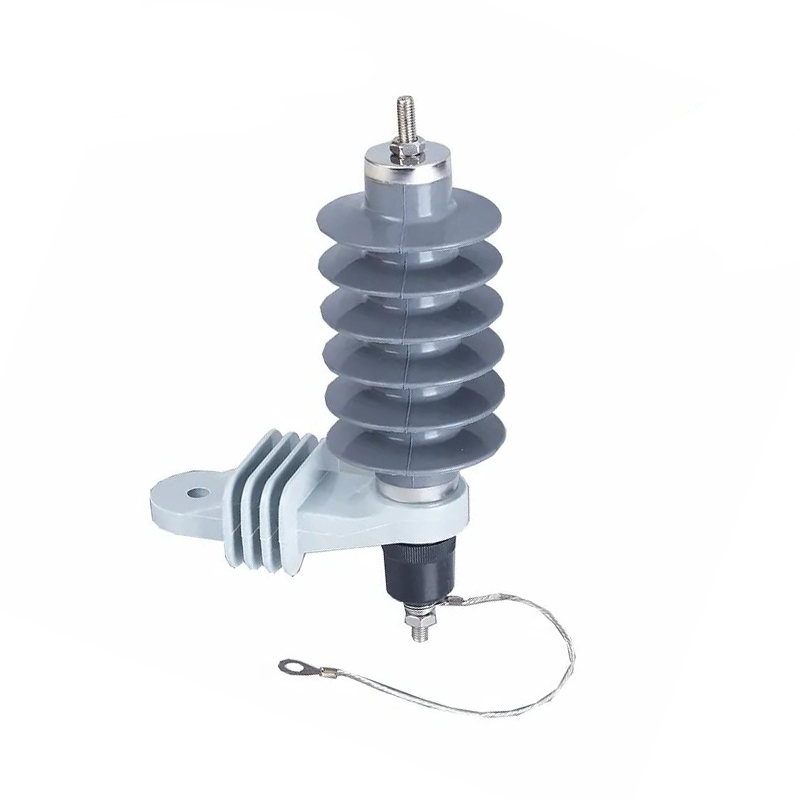
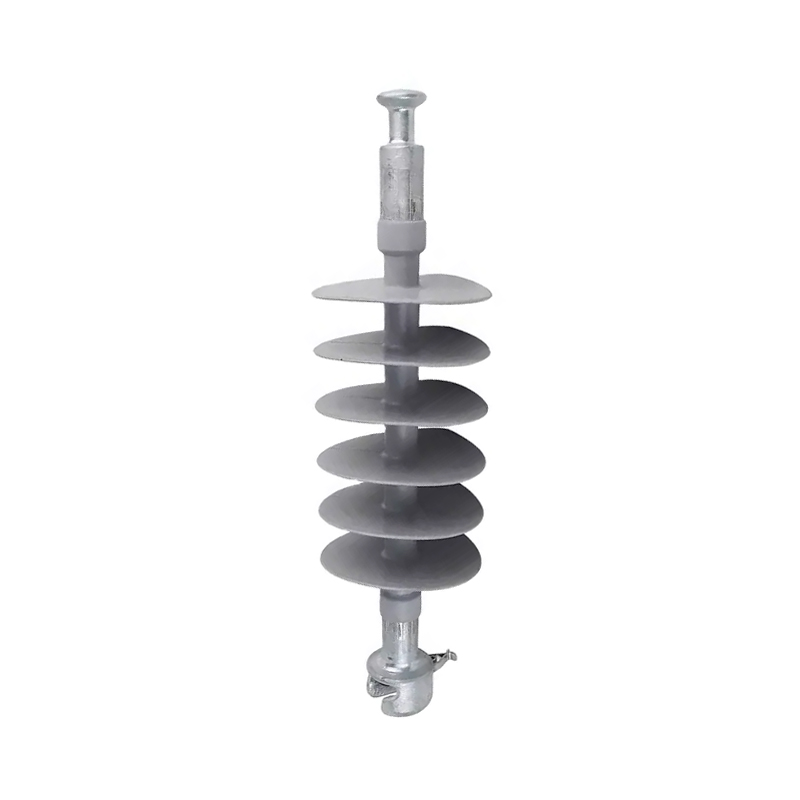
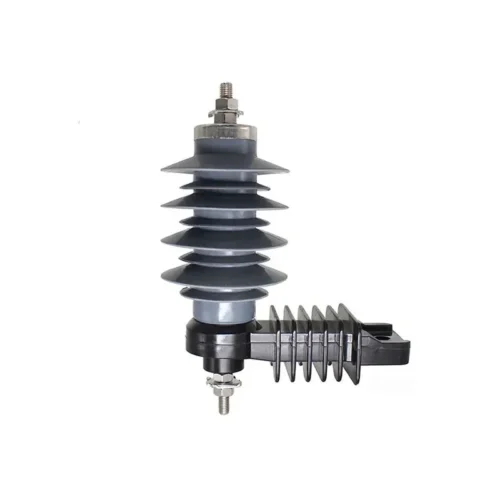
Polymer Insulators: Polymer insulators have become more popular in recent times. These insulators are lightweight and have a high resistance to dirt and moisture. Their ability to bend without breaking enables them to tolerate many environmental conditions.
Glass Insulators: Although they are not as commonly used nowadays, glass insulators are notable for their ability to withstand UV rays and work efficiently in difficult climatic conditions. Typically, they are selected for use in some historical or aesthetic applications.
Transmission Line Insulator Applications
Insulators of transmission lines are one of the most important components in maintaining the conductors safely while avoiding their leakage to the ground. They are fixed at proper intervals on the transmission lines so that high-voltage electricity can be delivered safely and efficiently. There are different types of insulators like porcelain and polymers that are used depending on the voltage level, environment, and type of contamination. Correct choice of insulators is important to avoid the power interruptions.
Substation Insulator Applications
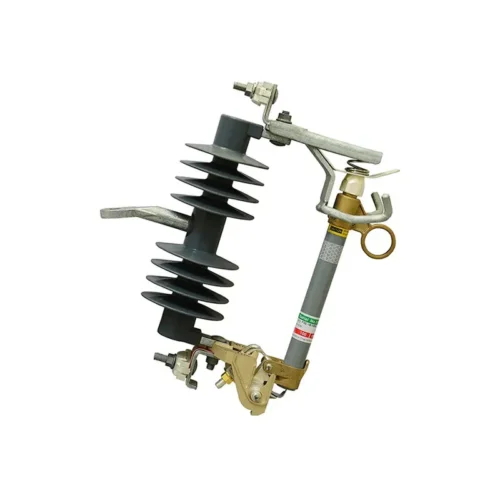
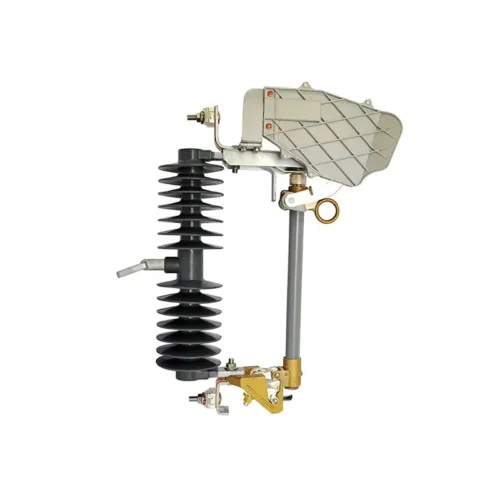
Insulators play a key role in substations in that they insulate and hold various electrical appliances. Insulators can prevent accidental short-circuiting and help operate transformers, switchgears, and busbars in substations. Selection of insulators depends on voltage levels, spacing, and environment. For example, in places with contamination problems, polymer insulators may be chosen while porcelain insulators might be used for their strength in fierce temperatures.
How to Select the Right Insulator for Each Application
Choosing the right insulator involves several considerations:
1. Voltage Rating: Ensure the insulator you select can handle the voltage levels of your system.
2. Environmental Conditions: Examine aspects such as weather, moisture, and possible contaminants that could influence the efficiency of insulators.
3. Mechanical strength: Assess the amount of tension which will be applied on the insulator, particularly in vulnerable locations experiencing harsh winds or earthquakes.
4. Visual Appeal and Space Availability: In urban areas, these solutions may be designed in a more compact and attractive manner, like polymer insulators.
5. Cost and Upkeep: Although polymer insulators can be more expensive to install at first, lower maintenance requirements may compensate for the expense in the long run.
The knowledge of these factors helps electrical engineers and project managers to select the most suitable insulator for their application leading to better reliability and safety in electrical systems.
Conclusively, the latest advancements in the area of insulators and their importance in electrical engineering are numerous and significant for the safety of electrical systems. It is crucial to use the right material, install it properly, and set it up the right way as it brings down the maintenance costs and improves reliability of the system. As the electrical industry evolves, the importance of these components is on an upward trend while emphasizing the importance of insulators in current energy distribution and scheme.