+86 15657752999


0102030405
What a Polymer Insulator Brings to Overhead Line Design
2026-05-08
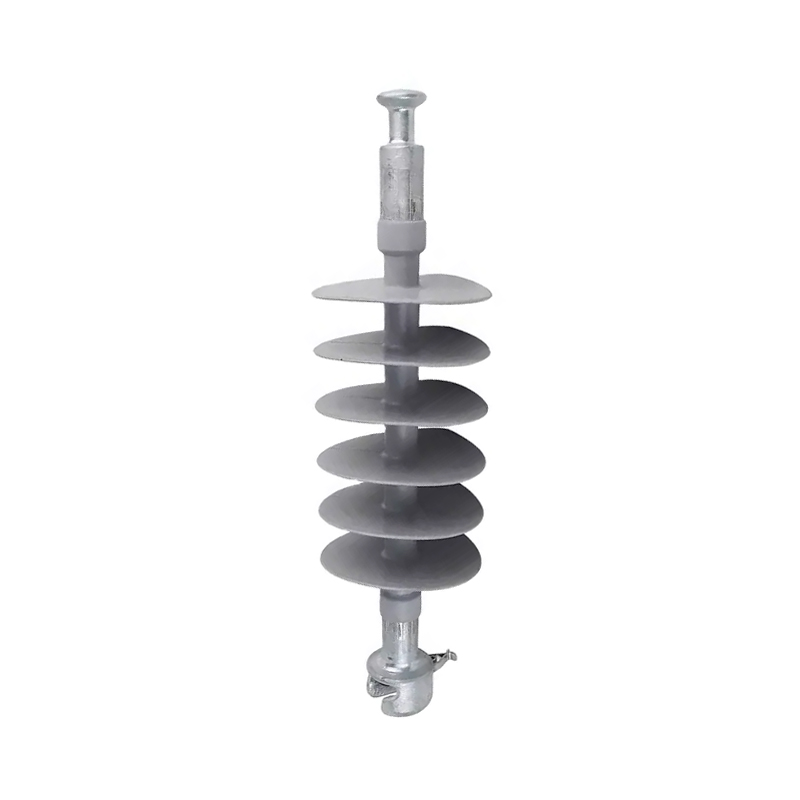
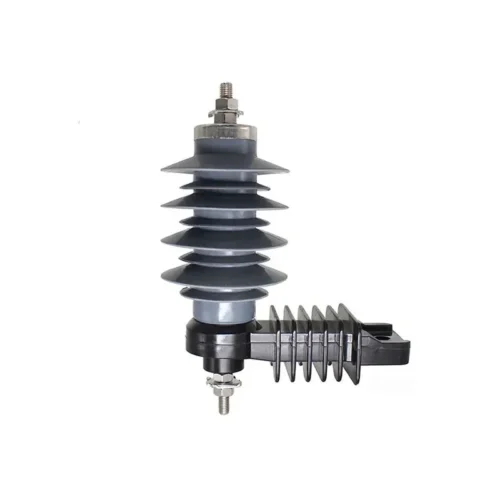
A polymer insulator is a high-voltage insulating component that uses a fiberglass core rod surrounded by weather-resistant silicone rubber or similar polymeric housing, with metal end fittings attached at both ends. It supports and electrically isolates conductors on transmission towers, distribution poles, and substation structures. Compared to traditional porcelain or glass insulators, a polymer insulator weighs less, resists breakage during handling and transport, and maintains its surface hydrophobicity longer in polluted environments, which helps control leakage current and flashover risk.
How the Composite Construction Works
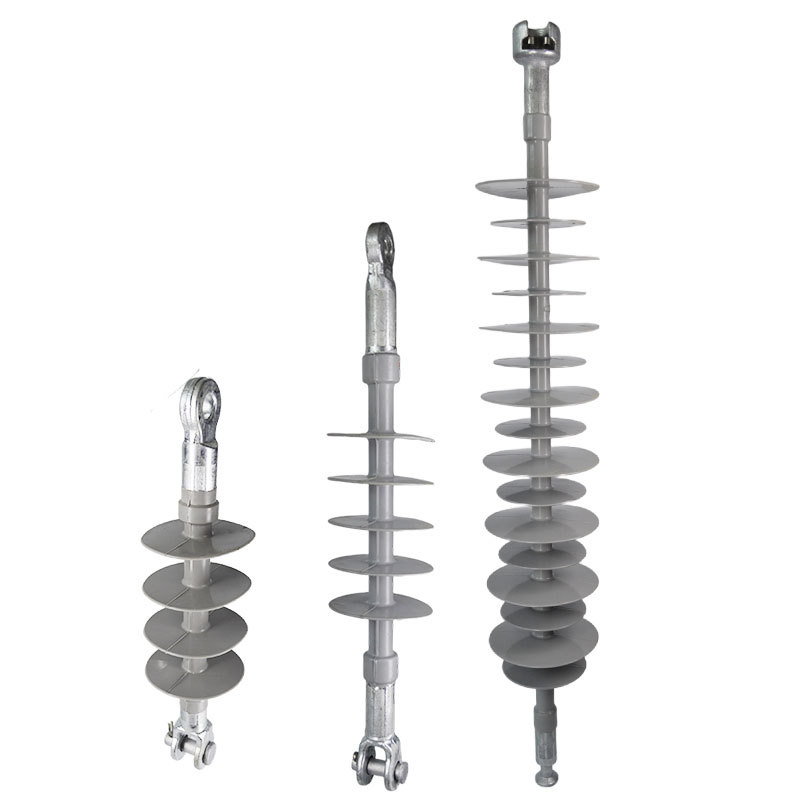
A polymer insulator consists of three parts. The fiberglass core rod, made from electrical-grade glass fibers and resin, carries the mechanical load with high tensile strength and some flexibility. A silicone rubber housing molded into weather sheds covers the core and extends the leakage distance. Metal end fittings are crimped onto the core ends to transfer conductor load to the support structure.
Silicone rubber housings dominate outdoor use because water beads on their low-energy surface instead of forming a conductive film. When pollution builds up and temporarily wets the surface, silicone oil within the material migrates out and encapsulates the contaminants, restoring hydrophobicity without manual washing something glass and porcelain cannot do.
Where Polymer Insulators Fit in the Grid
Polymer insulator applications have expanded steadily as utilities gain long-term field experience. Common placements include:
- Transmission line suspension and tension strings: Long-rod polymer insulators replace multiple-disc strings of glass or porcelain, simplifying assembly and reducing tower cross-arm loading because the complete polymer unit weighs a fraction of the equivalent insulator string.
- Distribution line dead-ends and braced posts: A polymer insulator on a distribution pole absorbs the day-to-day mechanical cycling from wind and conductor tension changes without developing micro-cracks in a brittle ceramic body.
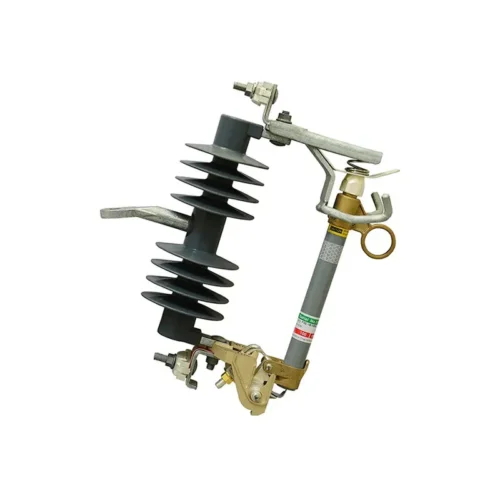
- Substation bus support columns and disconnector posts: The light weight reduces the structural demand on steel supports, and the flexible core tolerates short-circuit forces without shattering.
- Railway electrification catenary systems: Cantilever and section insulators made from polymer composites stand up to vibration, pantograph impact stresses, and carbon dust contamination along electrified tracks.
- In coastal, industrial, and desert zones: Glass and porcelain insulators need regular washing or silicone grease to prevent flashover. Polymer insulators in the same conditions typically show lower leakage current and need less frequent maintenance, though routine visual inspection remains necessary.
Throughout these applications, the deciding factor tends to be a combination of weight savings, vandalism resistance, and improved contamination performance rather than a simple purchase-price comparison. A polymer insulator that prevents one flashover outage in a critical transmission corridor has already justified its selection.
What to Verify When Selecting Polymer Insulators
The design and manufacturing quality of polymer insulators can vary significantly between suppliers, so a few technical checks reduce the risk of early failures:
- Core rod quality: The core rod must use electrical-grade glass fibers, not general-purpose reinforcement material. Brittle fracture from acid formation under electrical stress and moisture is a known issue in older or budget designs. A proven resin system and proper end-fitting seals are the main defenses.
- Housing material formulation:Silicone rubber quality varies. Filler content, crosslink density, and tracking resistance under standard tests show how the material holds up over years. A housing that erodes in a few seasons leaves the core exposed to weather.
- End fitting sealing: The interface where the metal end fitting meets the silicone housing is the primary moisture entry point. A properly designed seal, often a compression ring combined with a sealant barrier, prevents water from reaching the core.
- Specific creepage distance: The ratio of leakage path length to system line-to-ground voltage, usually expressed in mm per kV, needs to match the site pollution severity class. Underspecifying this leads to tracking across the housing surface during fog or light rain after a dry spell.
- Mechanical ratings: The specified mechanical load, whether for daily tension or short-circuit cantilever, needs a margin above the calculated peak load, not just the average. A polymer insulator rod that regularly operates near its rated tensile limit will fatigue over time.
Handling and Installation Differences from Porcelain
The handling benefit of a polymer insulator appears the moment it arrives on site. There is no need for ring-testing to detect hairline cracks, a standard step with porcelain. The unit can be lifted into place by a single lineman on many distribution-class applications, and a dropped unit is more likely to survive than its ceramic equivalent.
During installation, hardware torque values and the alignment of the end fitting with the loading direction matter. Twisting the core rod during fitting attachment should be avoided because excessive torsional stress can damage the fiber-resin bond. The insulator string or post should hang freely without bending loads induced by misaligned hardware or tight conductor clamps that pull the fitting off-axis.
Routine Inspection That Spots Problems Early
No insulator type is maintenance-free, but the inspection focus shifts with polymer material. Visual patrols look for:
- Tracking and erosion damage: Dark carbonized tracks on the housing surface or eroded shed edges that expose the core rod.
- Chalking or cracking: A chalky surface indicates UV degradation of the polymer. Fine surface cracks that deepen over time can trap moisture.
- End fitting corrosion or sealant pumping: Rust streaks from a steel fitting or visible gaps where the sealant has extruded out under thermal cycling suggest water may be entering the core zone.
- Punctures or cuts: Vandalism damage, bird pecking, or impact from flying debris can penetrate the housing and create a direct path to the core.
Infrared thermography during dry weather can sometimes detect internal partial discharge activity or degraded bonds at the end fitting before a full electrical failure occurs, though interpretation requires some experience with the specific insulator design.
A Field-Proven Alternative That Continues to Evolve
A polymer insulator is no longer experimental. Decades of field service across coastal, industrial, and high-altitude climates have built a solid performance record. It tackles real operational issues: weight and breakage during handling, pollution-related flashover, and the labor cost of washing large insulator fleets. Where site conditions punish ceramic surfaces, a well-made polymer insulator delivers reliable line performance with fewer maintenance demands.