+86 15657752999


0102030405
What a Surge Arrester Does When Lightning Strikes?
2026-05-11
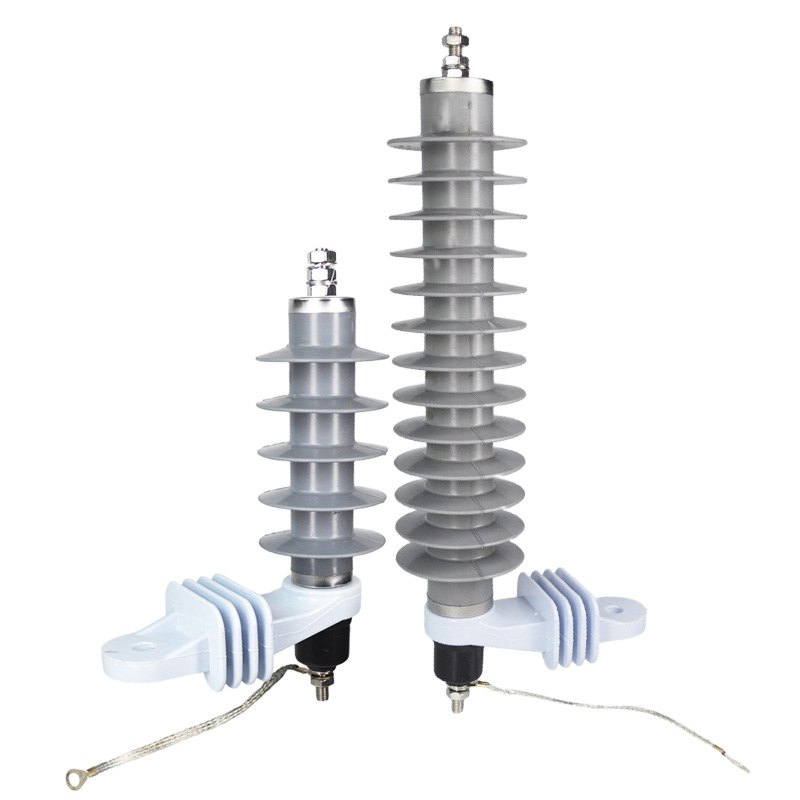
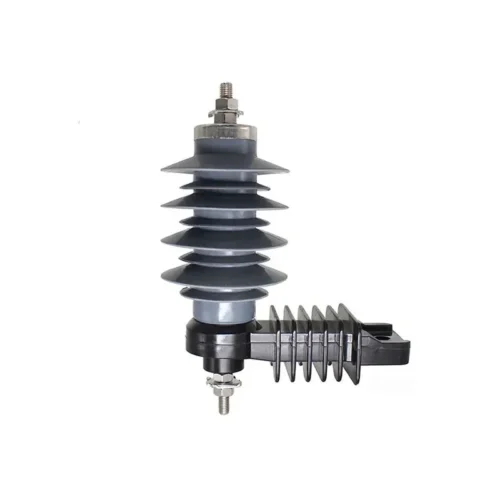
A surge arrester diverts overvoltage surges from lightning or switching away from equipment and safely to ground. Sitting between the live conductor and earth, it appears electrically invisible during normal operation. When voltage spikes above a set threshold, the arrester conducts instantly, channels the surge current to ground, and returns to a high-impedance state once the overvoltage passes. Without one, that same transient would race through transformers, cables, switchgear, or motor windings, degrading insulation until failure occurs.
How the Internal Components Handle a Surge
The active core of a surge arrester is a stack of metal oxide varistor blocks, usually zinc oxide, held under pressure in a weatherproof housing. These ceramics have sharply non-linear resistance drawing only milliamps at normal voltage, then collapsing almost instantly during a surge to pass thousands of amps to ground. Once the surge ends, resistance climbs back and the arrester seals off follow current without a separate spark gap.
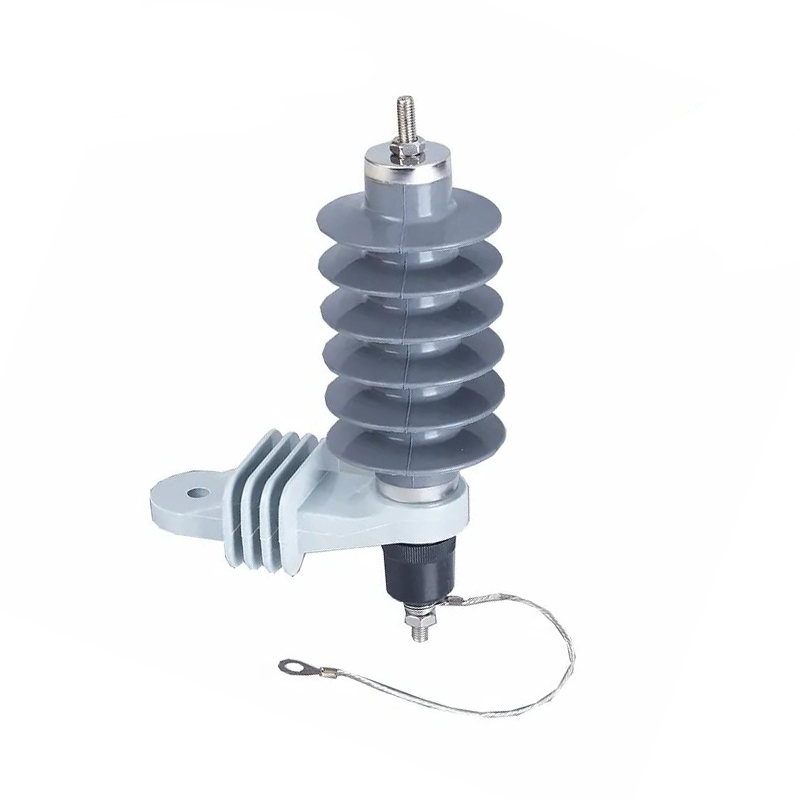
Housing options include porcelain and polymer composite. Porcelain has long field history and handles sunlight and surface arcing well, but can shatter under internal fault pressure. Polymer-housed arresters use a silicone rubber shed over a fiberglass tube. They are lighter, resist vandalism and handling damage, and tend to split rather than explode during faults, reducing fragment risk in populated switchyards.
Where Surge Arresters Get Installed
Surge arrester applications cover the entire electrical system from the transmission level down to the service entrance. Typical placement includes:
- Transmission and distribution substations – Arresters on the high-side and low-side bushings of power transformers protect the most expensive piece of equipment in the yard. A transformer winding failure from a lightning surge is a long-outage, high-cost event that a properly coordinated arrester makes far less likely.
- Overhead line poles – Pole-mounted surge arresters at regular intervals and at cable riser poles intercept lightning surges traveling along the conductors before they reach underground cable sections or vulnerable pole-top equipment.
- Underground cable junctions – Where overhead lines transition to underground cables, open-point surge arresters control the voltage reflections that occur at the impedance change, protecting cable jacket and terminations.
- Rotating machines – Generators, large motors, and synchronous condensers have lower impulse withstand voltage than transformers and need arresters matched specifically to their insulation class, often installed close to the machine terminals.
- Switchgear and motor control centers – Metal-enclosed arresters inside switchgear lineups protect vacuum or SF6 breakers from the switching surges they themselves generate during operation.
- Renewable energy installations – Solar farm combiner boxes, inverter stations, and wind turbine nacelles each have surge arrester protection on both the DC and AC sides, because the exposed location and long cable runs of these sites attract induced surges even from distant lightning.
The common theme is straightforward: put the surge arrester as electrically close as practical to the equipment it protects, because the lead length inductance can add enough voltage drop during a fast-rising surge to reduce the protection margin.
Choosing the Right Arrester for the Application
Selecting a surge arrester involves matching several key ratings to the system conditions. The main parameters include:
- Continuous operating voltage is the maximum line-to-ground voltage the arrester sees continuously. Rating it too close to normal system voltage causes excessive conduction and premature aging.
- Temporary overvoltage capability must handle power-frequency overvoltages during earth faults on healthy phases. Insufficient capability leads to thermal runaway and failure during the fault.
- Nominal discharge current is the standard surge wave the arrester withstands repeatedly. Distribution arresters typically rate at 5 kA or 10 kA; station-class units at 10 kA or 20 kA.
- Energy absorption rating covers long-duration surges from capacitor switching or transmission line overvoltages. The arrester needs enough thermal capacity to absorb the energy without overheating the varistor blocks.
- Housing material and creepage distance depend on site pollution levels. Polymer housings with alternating shed profiles achieve long creepage in a shorter length while maintaining hydrophobic performance in polluted and coastal areas.
Matching the surge arrester to the system earthing arrangement also matters. An impedance-earthed or unearthed system can see a full phase-to-phase voltage appear phase-to-ground on the healthy phases during a fault. Standard arresters designed for solidly earthed systems may not survive that condition without increased rated voltage.
Installation Practices That Affect Performance
Installation directly affects protection performance. Lead length from the line terminal to the arrester, and from arrester to ground, adds inductance that develops voltage during fast-rising surges this adds to the arrester's residual voltage and raises the total seen by the equipment. Short, straight leads and bonding the arrester earth directly to the equipment enclosure minimize this effect.
Mount the arrester firmly without distorting the housing or stressing the end fittings. On polymer-housed units, let the earth-end disconnector hang freely so it can separate a failed arrester from the circuit. Restraining it defeats its purpose. Torque all connections to specification to prevent arcing at loose joints. After energizing, a quick thermographic scan of the terminals and body can catch loose connections or early degradation before failure occurs.
Routine Checks That Extend Service Life
Surge arresters degrade gradually. Each surge dissipates energy in the varistor blocks, and leakage current at operating voltage can rise over time. A common field check measures total leakage current and, where possible, its resistive component. A rising resistive current across inspections signals aging varistor material and the need for replacement before thermal failure occurs.
Visual checks should look for cracked housings, tracking marks on sheds, and corroded or loose connections. On polymer-housed arresters, deep chalking, shed erosion, or separation between the housing and end fitting seals point to moisture entry paths. A partially operated or arcing disconnector suggests a past fault that likely damaged the arrester, even if it still looks intact.
A Device That Sits Quietly Until It Is Needed
A surge arrester does nothing visible for most of its service life and that is exactly the point. It waits in a high-impedance state, and when a surge hits, it reacts faster than any mechanical switch, diverting energy before connected equipment insulation fails. For anyone managing power system reliability, placing the right arrester in the right location and inspecting it regularly is one of the most cost-effective ways to prevent failures that cascade through the network and appear on outage reports.