+86 15657752999


0102030405
What Are High Voltage Fuses Made Of?
2026-03-23
If you work with electrical distribution systems, substations, or industrial power equipment, you have likely encountered high voltage fuses and wondered what actually goes into them. Unlike the small glass fuses found in household electronics, these components are built to handle extreme electrical stress and interrupt dangerous fault currents safely.
A high voltage fuse is a protective device that opens an electrical circuit when current exceeds a safe level or during a short circuit. It does this by melting an internal element, creating a gap that stops the flow of electricity. The materials inside are what make this process reliable, fast, and safe. Understanding what high voltage fuses are made of helps you choose the right fuse and ensures protection for expensive equipment like transformers, switchgear, and motors.
The Core Components: What Goes Inside
Every high voltage fuse consists of several carefully selected materials, each chosen for specific electrical and thermal properties. The combination of these materials determines how the fuse performs under normal operation and during a fault.
1. The Fuse Element
The fuse element is the part that melts when a fault occurs. Most high voltage fuses use silver for its excellent conductivity, oxidation resistance, and consistent melting temperature. Some fuses use copper or silver-plated copper, depending on design and cost.
Rather than a simple straight wire, the element is often a perforated ribbon or a series of narrow sections that create controlled points where melting begins. This allows the fuse to respond quickly to overcurrents while staying stable under normal loads.
2. The Arc-Quenching Material
When the element melts, an electrical arc forms across the gap. Containing and extinguishing that arc quickly is essential to prevent damage.
Silica sand is the most common arc-quenching material. Packed tightly around the fuse element, it fuses into a glass-like substance when exposed to the arc's intense heat, helping to cool and extinguish it. Some specialized fuses use boric acid or barium titanate, but silica sand remains the industry standard for most high voltage fuses.
3. The Fuse Body or Housing
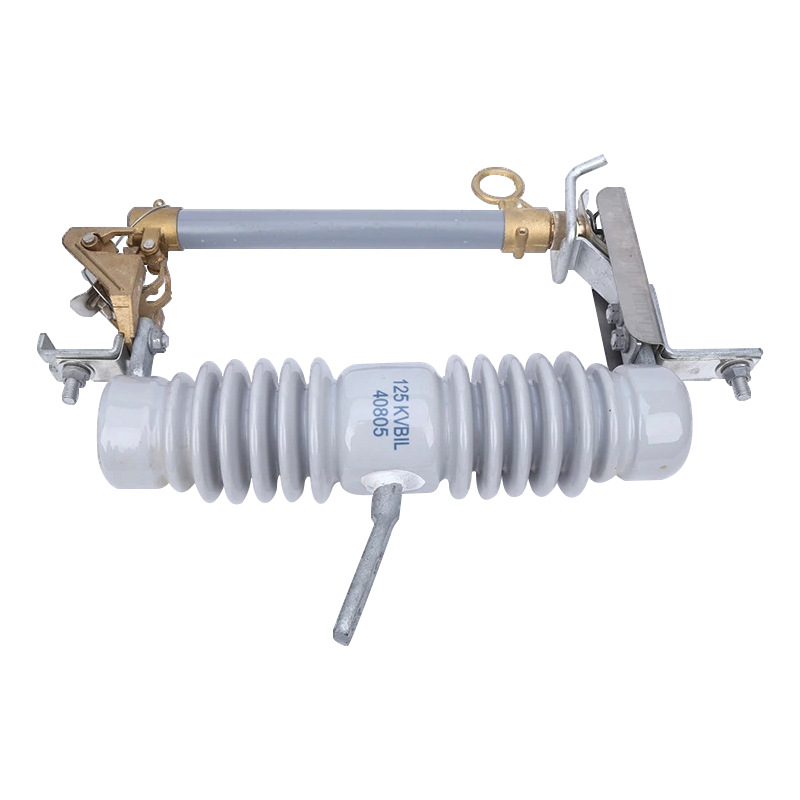
The outer body must withstand high temperatures, mechanical stress, and environmental exposure. Most high voltage fuses use a ceramic housing, which offers strong dielectric properties, heat resistance, and durability against moisture and chemicals.
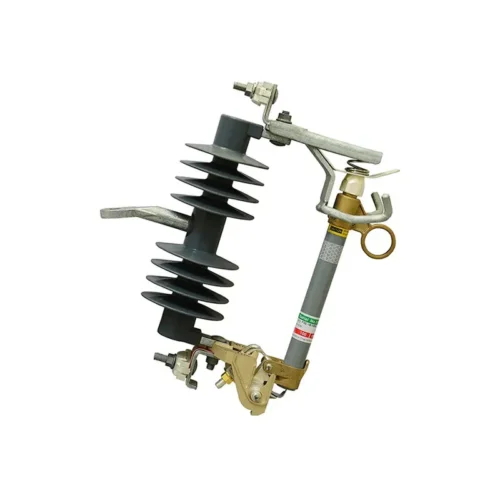
For certain applications, fiberglass tubes are used, often with a laminated construction for added strength. Fiberglass housings are lighter than ceramic and still provide good insulation, though they are typically found in expulsion fuses designed for outdoor use.
4. End Caps and Terminals
The electrical connections at each end are usually made of brass or copper, often plated with silver or tin to improve conductivity and resist corrosion. These materials ensure a reliable connection to the fuse holder, helping to maintain low resistance and prevent overheating under normal operation.
How the Materials Work Together
Understanding what high voltage fuses are made of helps explain how they function in real-world conditions. Under normal operation, the silver or copper element carries current with minimal resistance, and the surrounding sand remains cool and stable. When a fault occurs such as a short circuit the current rises rapidly. The narrow sections of the element heat up and melt almost instantly.
As the element melts, an arc forms across the gap. The arc generates intense heat, causing the surrounding silica sand to fuse into a solid glass-like plug. This plug absorbs the arc energy, cools it, and creates a permanent insulating barrier that stops current flow completely. The entire process happens in milliseconds, limiting the amount of fault energy that reaches downstream equipment.
Different Types of High Voltage Fuses and Their Materials
Not all high voltage fuses are constructed exactly the same way. The materials can vary depending on the type of fuse and its intended application.
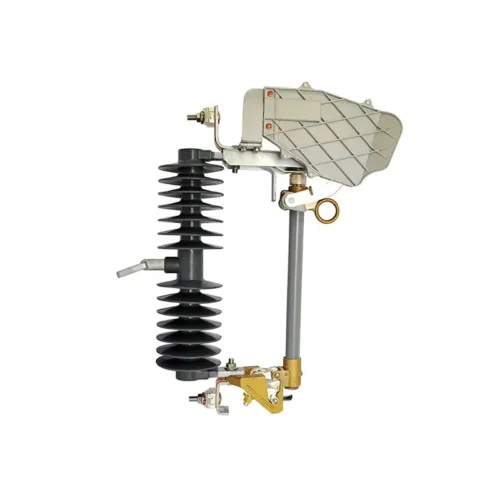
Expulsion fuses are commonly used on utility poles and in outdoor substations. They use a fiberglass or porcelain housing and rely on the gases produced by the arc to extinguish it. These fuses often contain a fiber tube lined with materials that generate gas under heat, helping to blow the arc out of the fuse.
Current-limiting fuses are used in indoor switchgear and motor control centers. These are the fuses most likely to contain silver elements packed in silica sand. They are designed to interrupt faults so quickly that they limit the amount of fault current that actually flows through the circuit.
Backup fuses are designed to handle high fault currents but rely on other protection devices for lower overcurrents. Their construction is similar to current-limiting fuses but may use different element configurations to achieve specific performance characteristics.
Why Material Selection Matters
For anyone specifying or maintaining high voltage fuses, the materials matter because they directly affect safety, reliability, and longevity.
A fuse made with high-purity silver and properly graded silica sand will perform consistently over its lifetime. Cheaper alternatives that substitute materials may have lower manufacturing costs but can lead to unpredictable performance, nuisance blowing, or failure to clear a fault properly.
The housing material also affects where the fuse can be used. Ceramic-bodied fuses are well-suited for indoor environments where physical protection and electrical insulation are priorities. Fiberglass or porcelain expulsion fuses are designed to withstand outdoor exposure, including UV radiation, temperature swings, and moisture.
Common Applications for High Voltage Fuses
High voltage fuses are found in a wide range of electrical systems, typically operating at voltages above 1,000 volts. Common applications include:
●Utility substations where they protect transformers and feeder circuits
●Industrial facilities with medium-voltage motors, drives, and switchgear
●Renewable energy installations such as solar farms and wind turbines
●Mining operations where reliable power distribution is critical
●Commercial buildings with medium-voltage service entrances
In each of these settings, the fuse materials are chosen to match the operating environment and the specific protection requirements of the equipment being safeguarded.
Summarize
High voltage fuses may appear simple, but their internal construction involves carefully chosen materials that work together to perform a critical safety function. Silver or copper elements provide reliable melting, silica sand or other arc-quenching materials ensure rapid fault interruption, and ceramic or fiberglass housings contain the process safely.
When selecting high voltage fuses or maintaining existing equipment, understanding what goes into these components helps you make informed decisions. Quality materials deliver consistent performance, and consistent performance means reliable protection for your electrical infrastructure.