+86 15657752999


0102030405
What Are Surge Arresters Used For?
2026-03-17
In an increasingly electrified world, protecting electrical systems and devices from potential damages caused by voltage spikes is vital. This is where surge arresters come into play. But what exactly is a surge arrester, and how can it benefit individuals and businesses? In this article, we'll dive deep into the functionality, applications, and importance of surge arresters, along with addressing some frequently asked questions about these essential devices.
What Is a Surge Arrester?
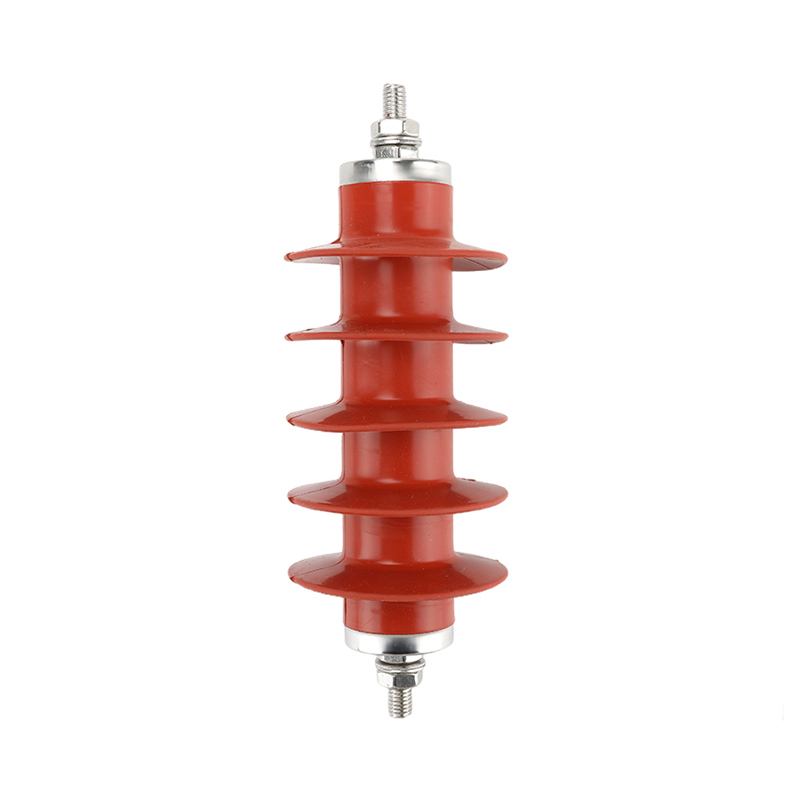
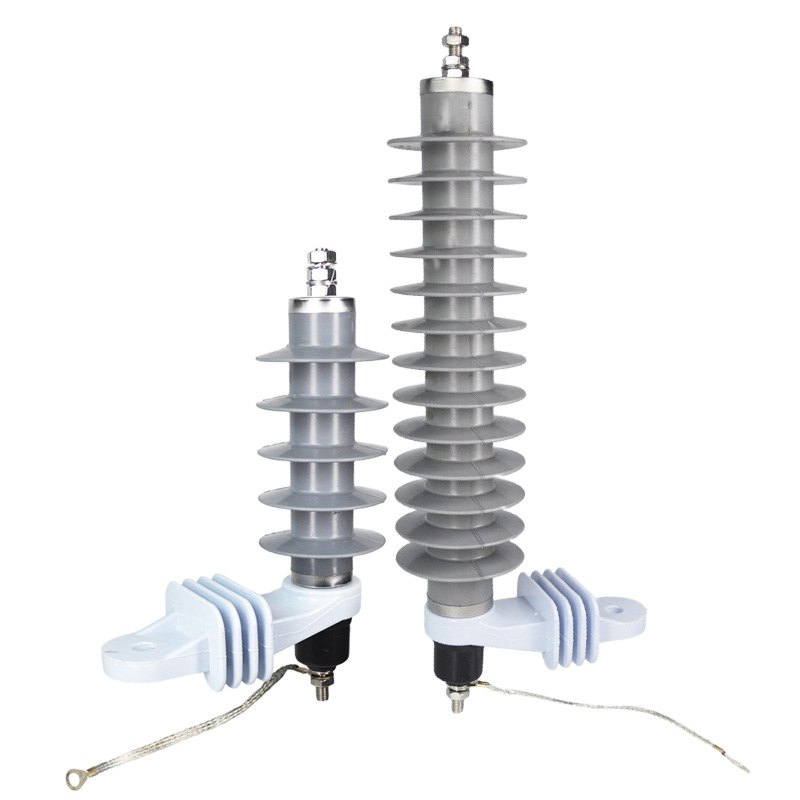
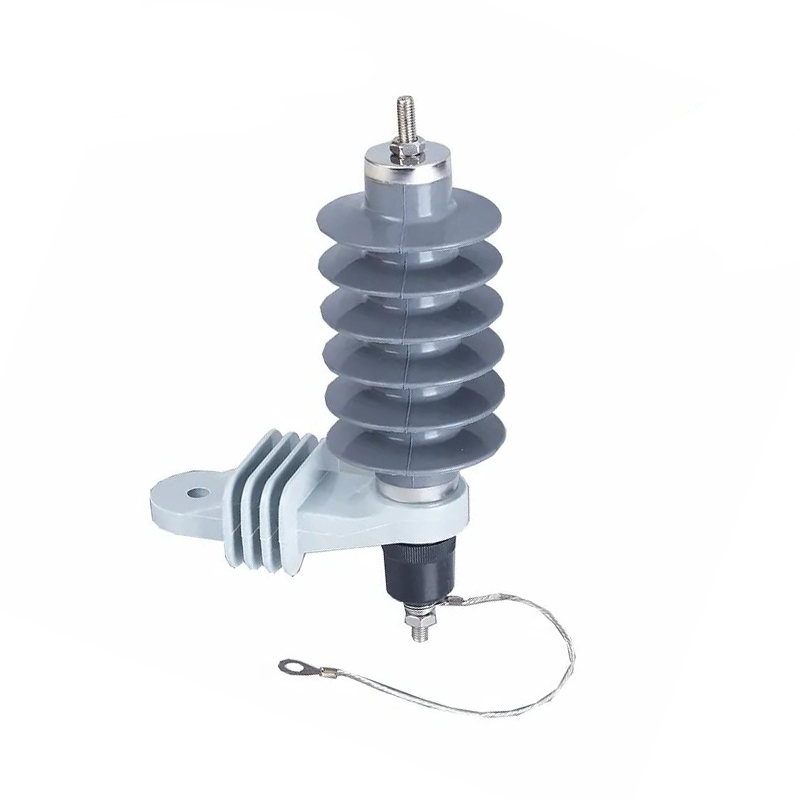
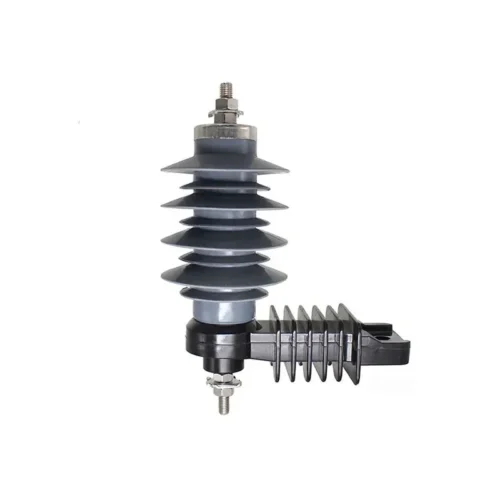
A surge arrester, sometimes referred to as a lightning arrester, is a device designed to protect electrical equipment from transient over-voltage events, those caused by lightning, switching surges, or faults in power systems. It essentially acts as a gatekeeper for electrical equipment, allowing the normal operating voltage to pass through while diverting excess energy to the ground when a sudden spike occurs.
Surge arresters are often found in power transmission and distribution networks, as well as in some industrial and commercial installations. By limiting over-voltages, they prevent costly equipment damage, downtime, and potential safety hazards.
What Is the Purpose of a Surge Arrester?
The primary purpose of a surge arrester is to protect electrical equipment and systems by:
- Limiting the voltage spikes to within a safe range.
- Redirecting excess electrical energy safely to the ground.
- Preserving the functionality and lifespan of critical devices and components.
During a lightning strike or a sudden change in current flow, a surge arrester steps in to prevent voltage levels from exceeding what the system can handle, effectively acting as a safety net.
How Does a Surge Arrester Differ from a Surge Protector?
The terms surge arrester and surge protector are often used interchangeably, but they serve slightly different purposes. A surge arrester is typically used in high-voltage applications such as electrical substations and power grids, where it protects the infrastructure from external voltage surges. On the other hand, a surge protector is typically used in residential or office environments to safeguard smaller electronic devices like computers and appliances from voltage spikes. Both are valuable tools, but they are designed for different use cases.
When Should a Surge Arrester Be Used?
Surge arresters should be installed in scenarios where electrical systems are exposed to high risks of transient over-voltage, such as:
- Areas prone to thunderstorms or lightning strikes.
- Industrial environments with heavy electrical equipment.
- Power transmission and distribution facilities.
- Renewable energy installations like solar or wind farms.
The value of a surge arrester lies in its ability to provide consistent protection, especially in high-risk situations. Without one, electrical systems are far more susceptible to damage, which can lead to costly repairs and downtime.
Do You Need a Surge Arrester?
Determining whether you need a surge arrester depends on your environment and the specific electrical system in question. For homeowners, a surge protector is usually sufficient to protect appliances and electronics. For industrial or commercial operations where high-voltage systems are involved, surge arresters are often a crucial investment.
If your operations rely on uninterrupted power supply and involve critical equipment, installing surge arresters can save costs in the long run by reducing equipment failures and protecting infrastructure.
Additional Benefits of Surge Arresters
Beyond their primary purpose of protection, surge arresters also offer several additional benefits:
- Improved efficiency: They ensure that electrical systems operate within safe voltage ranges, leading to optimized performance.
- Safety enhancement: By reducing voltage spikes, surge arresters minimize the risk of short circuits and electrical fires.
- Cost savings: Preventing equipment damage translates directly to reduced repair and replacement expenses over time.
FAQs About Surge Arresters
What is the main purpose of a surge protector?
A surge protector is designed to shield electrical devices from voltage spikes caused by power surges, safeguarding sensitive appliances from damage.
When should a surge protector be used?
A surge protector should be used in homes or offices whenever there are valuable electronic devices that need protection from power surges. Examples include computers, televisions, gaming consoles, and home theaters.
How do surge arresters and surge protectors work together?
In certain setups, surge arresters and surge protectors can work in tandem. While the surge arrester protects the larger electrical network, the surge protector safeguards individual devices and appliances.
Conclusion
Surge arresters are indispensable for protecting electrical systems and infrastructure from voltage surges and other high-energy transients. Whether you are managing a large industrial operation or simply want to protect your home appliances, understanding the role of surge arresters and using them appropriately can save time, money, and resources. By installing the right surge protection devices, you can ensure safety, efficiency, and long-term reliability in your electrical systems.