+86 15657752999

0102030405
What Are the Common Materials That Make Up Composite Insulators?
2026-04-15
Composite insulators play a vital role in modern electrical networks, providing reliable isolation and support for high-voltage equipment like transformers, transmission lines, and switchgear. Thanks to advances in material science, they are increasingly favored over traditional porcelain or glass insulators due to several key performance advantages. But what exactly are they made of, and how do those materials enhance their function? This article explores the primary materials used in composite insulators and explains how their unique properties contribute to the technology's overall effectiveness.
Defining a Composite Insulator
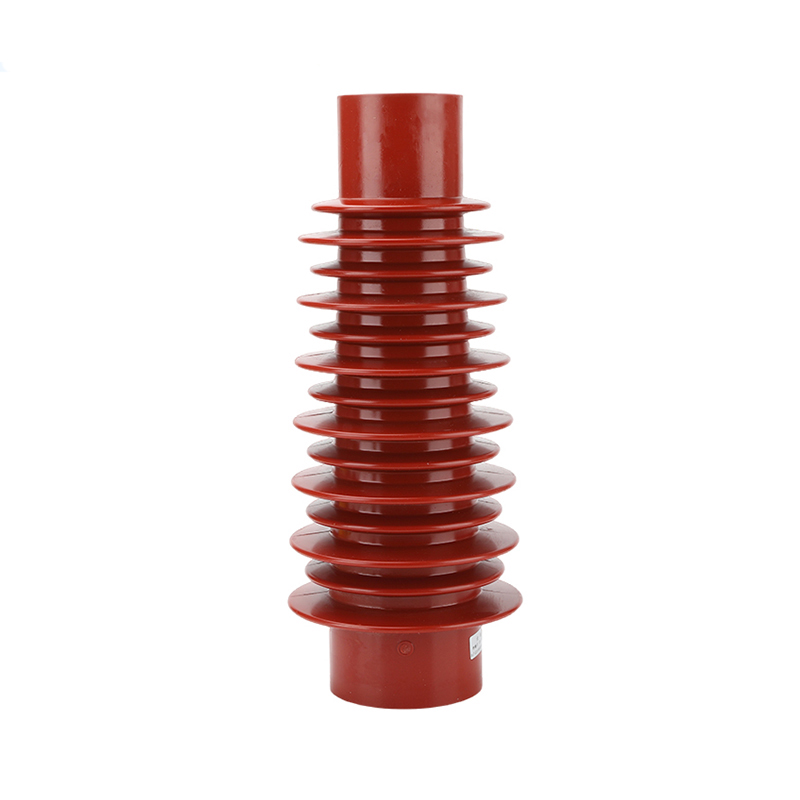
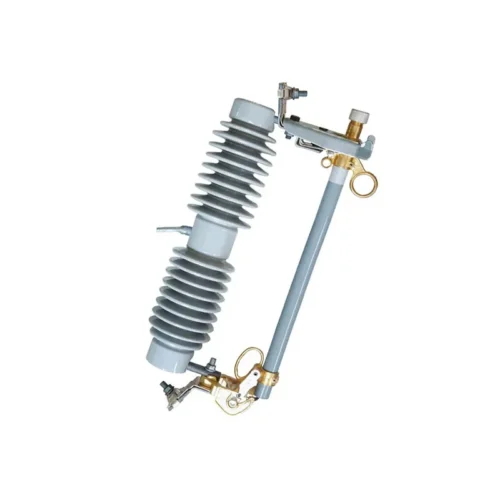
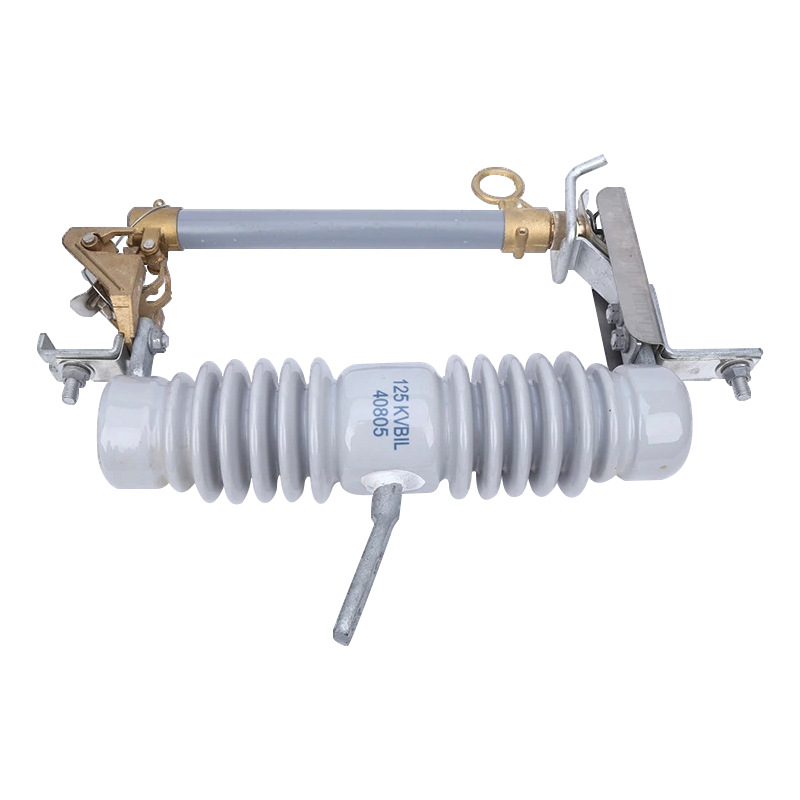
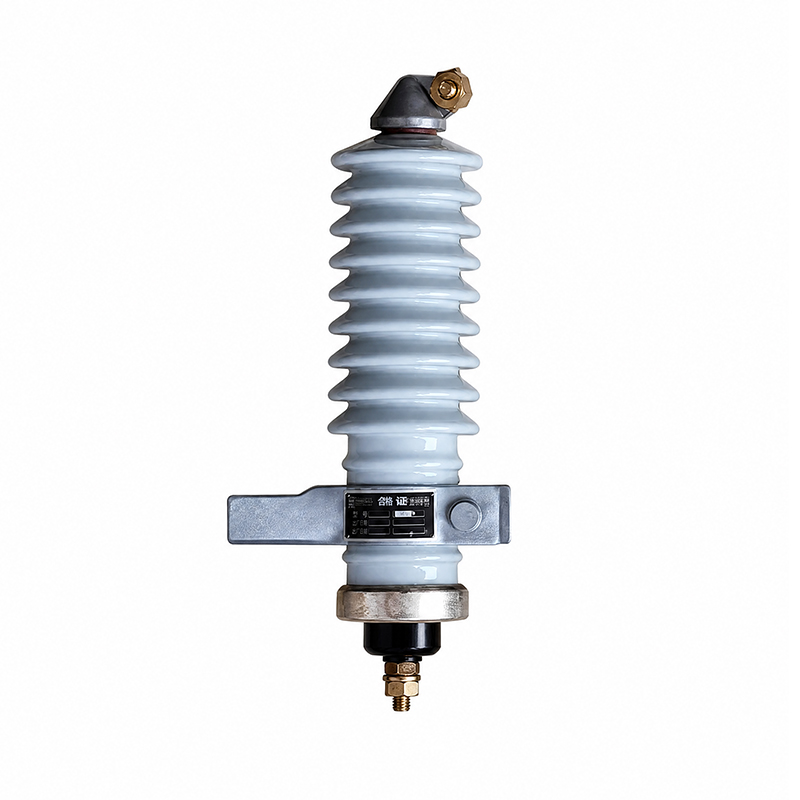
A composite insulator combines two or more materials to achieve high electrical and mechanical performance. Unlike traditional porcelain or glass, these insulators are lightweight, durable, and highly resistant to environmental stressors like pollution and UV radiation.
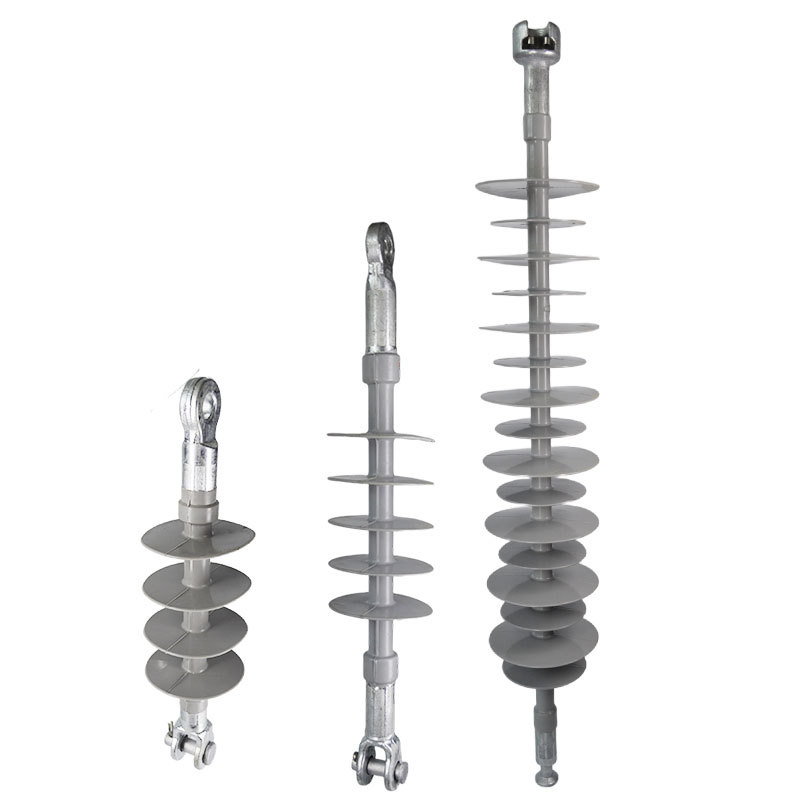
Usually, composite insulators have the following structural components:
1. Core: A solid rod that forms the backbone of the insulator, providing tensile and compressive strength.
2. Housing/Shed: An exterior protective covering that protects the insulator core and provides insulation from the leakage of electricity.
3. End fittings: Metal pieces that attach to each end of the insulator to create mechanical and electrical connections between the insulator and other parts of the electrical system.
Thus, the above-listed components are manufactured using advanced materials specifically selected for each component based on its functional properties. Let's take a closer look at these materials to understand the role they play in their respective components.
What Materials Are Used in Composite Insulators?
Composite insulators are built from several distinct materials, primarily combining polymeric compounds, reinforced rods, and other high-performance elements. Here is a breakdown of the major materials involved.
1. Corrosion-resistant Fiberglass Reinforced Resin (Core)
The main part of the composite insulator is the rod constructed of fiberglass, which contains glass fibers bonded with epoxy resin or other bonding materials such as a mix of epoxy or polyurethane. Fiberglass composite insulators have great mechanical characteristics, such as:
- High tensile strength due to the ability to withstand the tension of the line.
- Lightweight relative to ceramic, glass, or even metals.
- Excellent corrosion resistance in and outside of the insulator.
2. Hydroceramic Silicone Rubber (Housing/Shed)
The outer housing or shed of the composite insulator is typically constructed of silicone rubber. Silicone rubber is a chemical polymer that performs very well under high voltage and in the external environment. Key features of silicone rubber:
- Hydrophobic silicone rubber eliminates the opportunities for flashover due to water/moisture on the insulator and also pollution.
- Silicone rubber's stability will continue to remain until after many hours of exposure to sunlight and the elements.
- Tracking and erosion: Silicone rubber will not lose its insulating properties after being in service for long periods of time in wet or extremely polluted environments.
In addition to silicone rubber, other types of polymers such as EPDM (ethylene-propylene-diene monomer) rubber and also blended silicone rubber and EPDM rubber may be used in conjunction with silicone rubber, but the most common application will be silicone rubber.
3. End Fittings (Metal Components)
Metal components called end fittings on composite insulators are made from materials such as galvanised steel, stainless steel, or aluminium alloy. These materials were selected for their long-lasting durability, resistance to corrosion, and secure mechanical and electrical connections.
The Advantages of Composite Insulator Materials
The combination of these materials gives composite insulators several advantages that make them ideal for modern electrical systems:
- Composite insulators have much less weight than porcelain or glass insulators, making them easier to install and decreasing loads on supporting towers.
- Composite insulators perform very well mechanically because of their fiberglass core, making them extremely suitable for use in high-tension applications.
- Composite insulators made from materials like silicone rubber have good resistance to the effects of the weather and will last a long time even though they are located in highly polluted or hostile environments.
- The polymeric materials used in the housings of composite insulators provide a high level of insulation under conditions of high voltage.
The terms polymer insulator and composite insulator are often used interchangeably. Both feature polymeric housing, a fiberglass core, and metal end fittings. "Polymer" refers to the material type, while "composite" emphasizes the combined structure.
Future Trends in Composite Insulator Materials
Material innovations will continue to shape and define the future of composite insulators. Researchers are currently investigating the use of many new polymer materials, including advanced polymers, nanocomposites, and hybrid materials, to improve performance in extreme conditions. The development of new materials with improved properties such as self-cleaning and extreme environmental stress resistance will potentially change the definition of composite insulators.
FAQ: Frequently Asked Questions
What is a Composite Insulator?
A composite insulator is an electrical device used to insulate a high-voltage system and provide mechanical support. A composite insulator consists of a fiberglass core, polycarbonate material (housing), and metal fittings (end fittings).
What Are the Materials Used in Electrical Insulators?
In composite insulators, the principal materials used are fiberglass-reinforced resin for the insulator core, silicone rubber or another polymer material for the housing, and metals like steel or aluminum for the end fittings.
What Is the Difference Between Polymer and Composite Insulators?
There is no difference between the two terms; they both refer to the same type of insulator that consists of a polymeric housing, fiberglass core, and end fittings.
Why Are Composite Insulators Better Than Traditional Porcelain and Glass Insulators?
Composite insulators offer improved performance (weight, durability, pollution-resistance, etc.) than traditional porcelain and glass insulators, as well as ease of installation.
Are Composite Insulators Widely Used Today?
Yes, composite insulators are increasingly being preferred in the current power systems because they offer exceptional mechanical and electrical performance while requiring minimal maintenance.
Conclusion
Composite insulators represent a major advancement in high-voltage insulation. By combining a fiberglass core, silicone rubber housing, and metal fittings, they deliver a balance of mechanical strength, environmental durability, and electrical reliability. As material technology evolves, further improvements will only strengthen their role in global power systems.