+86 15657752999


0102030405
What Are the Types of Surge Arrester?
2026-04-03
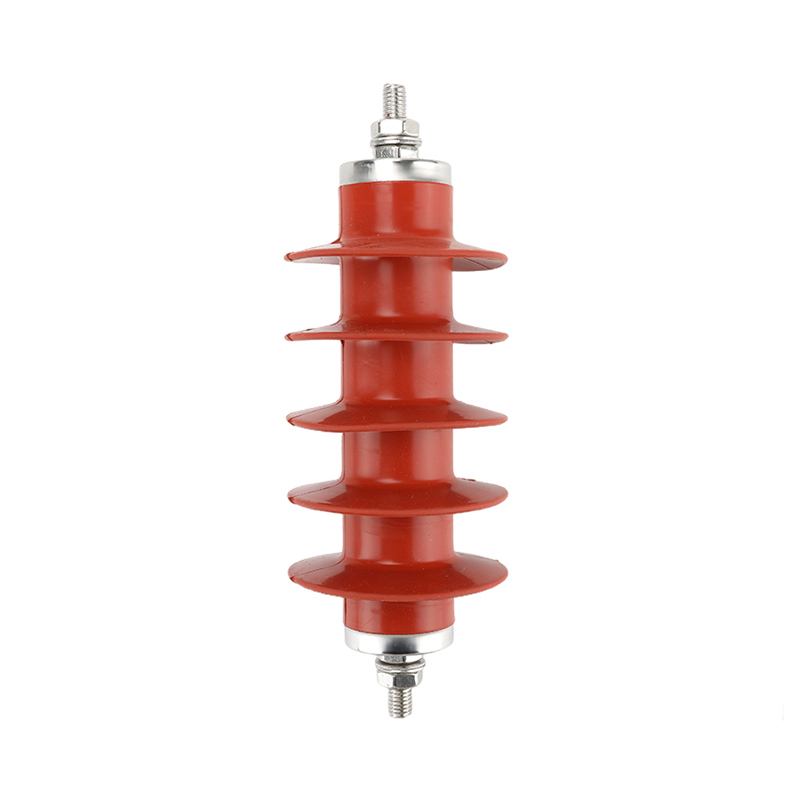
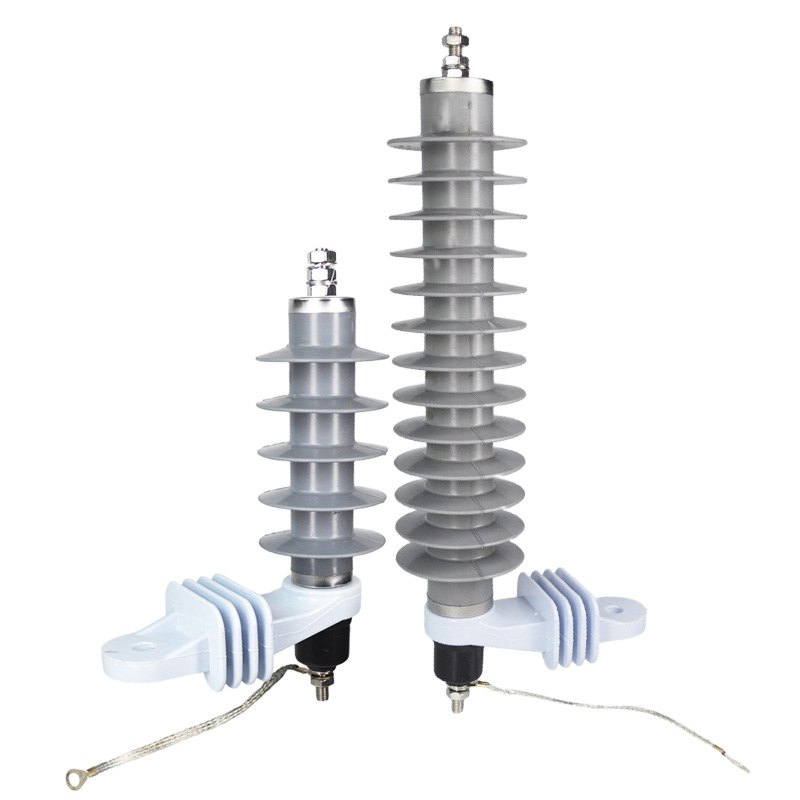
A surge arrester protects electrical systems from voltage spikes caused by lightning, grid fluctuations, or switching events. These sudden surges can damage equipment, disrupt operations, and lead to costly repairs. A properly selected surge arrester diverts excess voltage to ground, safeguarding your setup and supporting long-term reliability.
If you maintain electrical systems whether in a home, business, or industrial facility understanding surge arrester types helps you choose the right protection. Not all surge arresters work the same way; the correct choice depends on your specific needs, voltage requirements, and installationbt environment.
What Is a Surge Arrester?
Before diving into types, it's helpful to clarify what a surge arrester does. Unlike fuses or circuit breakers (which protect against overcurrent), a surge arrester focuses solely on voltage surges. It acts as a "safety valve": when voltage exceeds a safe threshold, the arrester activates, creating a low-resistance path for the excess energy to flow to the ground. Once the surge passes, it returns to its normal state, allowing the electrical system to operate as usual.
A quality surge arrester is essential for protecting everything from household appliances and office equipment to industrial machinery and power distribution systems. Without one, even a small voltage surge can shorten the lifespan of your equipment or cause immediate failure.
Common Types of Surge Arrester
There are several main types of surge arrester, each designed for specific applications and voltage levels. Below are the most widely used types, explained in simple terms to help you choose the right one for your needs:
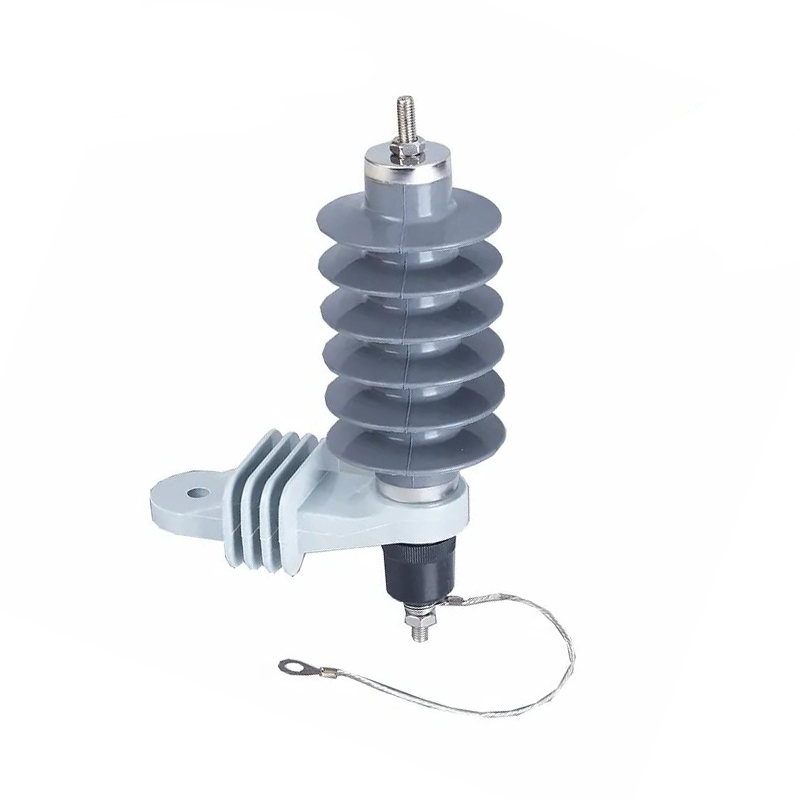
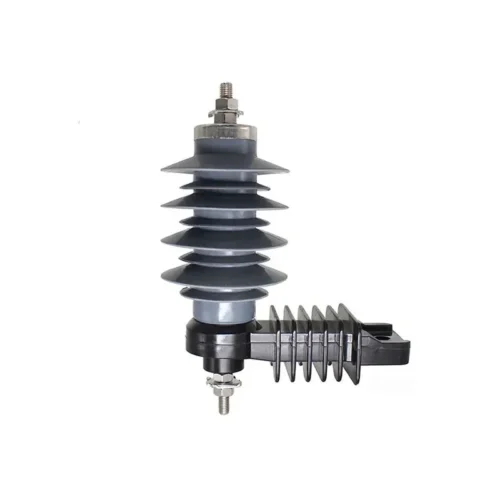
•Metal Oxide Surge Arrester (MOSA): The most common type used today, MOSA features metal oxide varistors (MOVs) that change resistance when voltage surges occur. They're compact, reliable, and work for both AC and DC systems. Ideal for residential, commercial, and industrial settings, MOSA is often used to protect power distribution panels, transformers, and sensitive electronics.
•Silicon Carbide Surge Arrester: A more traditional type, silicon carbide arresters use silicon carbide as the main component. They're durable and suitable for high-voltage applications, such as power transmission lines and large industrial facilities. While effective, they require regular maintenance compared to MOSA.
•Gas Discharge Tube (GDT) Surge Arrester: This type uses a sealed tube filled with inert gas. When a voltage surge occurs, the gas ionizes, creating a path for the excess voltage to ground. GDT arresters are ideal for low-voltage applications, such as telecommunications equipment, home electronics, and signal lines.
•Zinc Oxide Surge Arrester: Similar to MOSA, zinc oxide arresters offer fast response times and excellent protection against both small and large surges. They're commonly used in high-voltage power systems, such as substations, and are known for their long lifespan and low maintenance needs.
Key Benefits of a Surge Arrester
Investing in a surge arrester offers practical benefits that save time, money, and frustration:
•Protects equipment from voltage surges, reducing repair and replacement costs.
•Prevents downtime caused by equipment failure, keeping operations running smoothly.
•Extends the lifespan of electrical equipment, from small appliances to industrial machinery.
•Easy to install and maintain (depending on the type), making it a cost-effective protection solution.
Where to Use a Surge Arrester
Surge arresters are used in nearly every setting with electrical systems. Here are the most common applications:
•Residential: Protect homes from lightning strikes and power grid fluctuations, safeguarding refrigerators, TVs, computers, and HVAC systems.
•Commercial: Shield office equipment, servers, lighting systems, and power distribution panels in buildings, retail stores, and offices.
•Industrial: Protect large machinery, transformers, power lines, and control systems in factories, warehouses, and manufacturing plants.
•Telecommunications: Safeguard signal lines, routers, and communication equipment from voltage surges that could disrupt service.
FAQs About Surge Arrester
Here are answers to common questions buyers have when choosing a surge arrester:
How do I choose the right type of surge arrester?
Consider your voltage requirements (low, medium, or high), the environment (residential vs. industrial), and the equipment you need to protect. For most homes and small businesses, a Metal Oxide Surge Arrester (MOSA) is a reliable choice.
Do surge arresters need to be replaced?
Yes, most surge arresters have a lifespan of 5-10 years. Some models have indicator lights to show when they need replacement; others may require periodic inspection.
Can one surge arrester protect an entire building?
A main surge arrester installed at the electrical service entrance can protect the entire building, but adding secondary arresters for sensitive equipment (like servers or TVs) provides extra protection.
Whether you're a homeowner, facility manager, or business owner, choosing the right surge arrester is critical to protecting your electrical systems. By understanding the types, benefits, and applications of surge arresters, you can make an informed decision that keeps your equipment safe and your operations running smoothly.