+86 15657752999


0102030405
What Does a Blown High Voltage Fuse Look Like?
2026-04-29
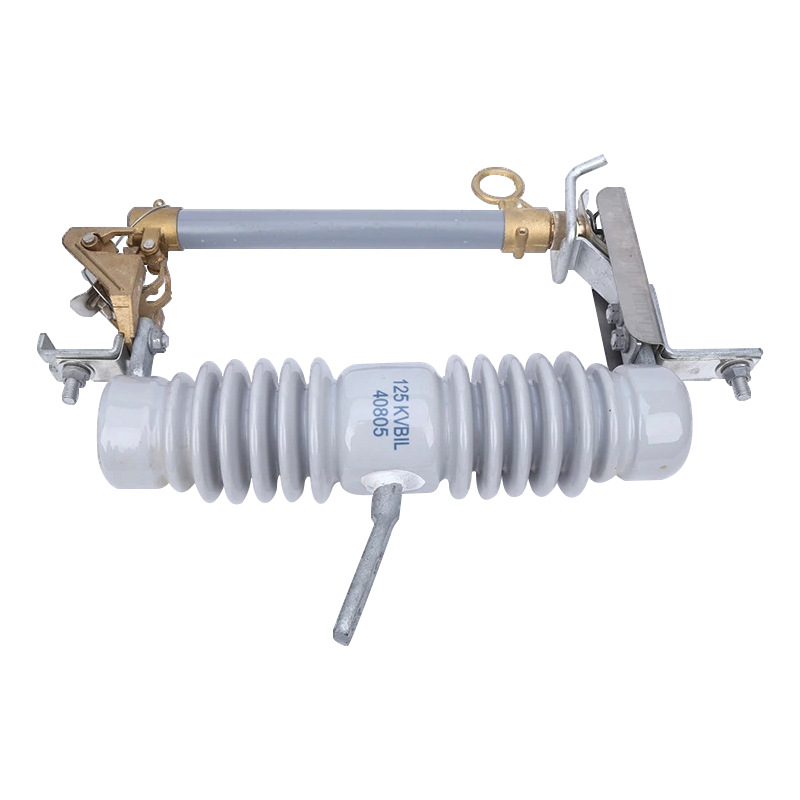
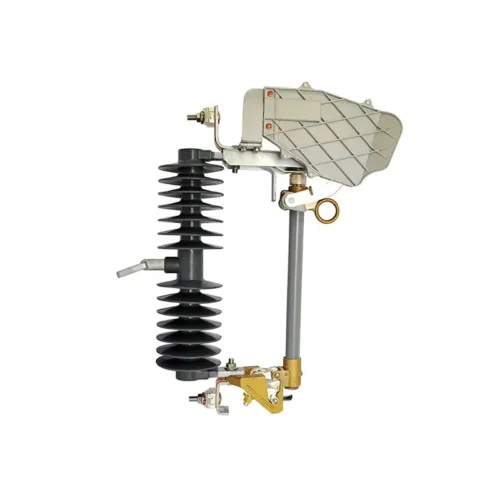
If you've spent time around outdoor substations, pole-mounted transformers, or industrial switchyards, you may have noticed a hanging component that seems out of place a fuse tube dangling downward from its holder. That, in many cases, is a blown high voltage fuse cut out doing exactly what it was designed to do. These devices serve as both protection and a visual indicator. When a fault occurs, the fuse element inside melts, and the tube drops open, giving line crews an immediate heads-up that something downstream needs attention.
Visual Signs of a Blown High Voltage Fuse Cut Out
Knowing what a failed unit looks like can save hours of troubleshooting. Here are the most common indicators:
- Dropped or Open Fuse Tube: The single most obvious sign. A properly seated fuse tube sits upright in its contacts. Once it operates, the upper end disconnects and swings downward, hanging from the lower hinge. From the ground, it's unmistakable once you know what to look for.
- Discoloration or Cracking: Even if the tube hasn't dropped fully, look for charred spots, soot marks, or fine cracks along the body. These suggest the fuse element parted under heavy current and the arc-extinguishing process left its mark inside the bore.
- Melted or Pitted Contacts: On closer inspection, the metal contact surfaces at the top and bottom of the cut out may show signs of arcing small pits, rough edges, or a dull, oxidized appearance.
- Blown Expulsion Debris: Some designs expel a small amount of fiber material and ionized gas during operation. A faint residue or discoloration around the open end of the tube can be a telltale clue.
Linemen often confirm a blown condition by visually checking the fuse link through the transparent or inspection window of the tube, where a parted element or internal cloudiness gives it away immediately.
How a High Voltage Fuse Cut Out Works
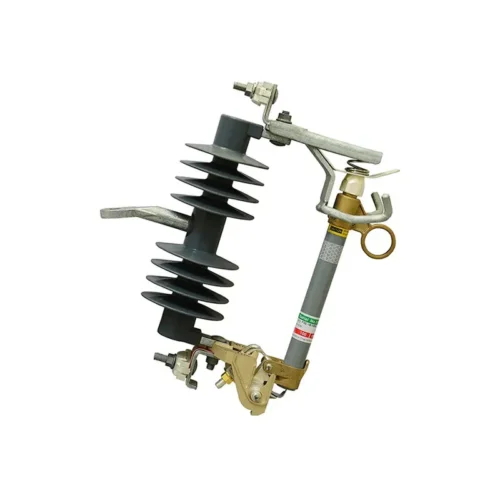
Understanding the mechanism makes the visual signs easier to interpret. A high voltage fuse cut out combines a fuse link housed inside a fiber-lined tube. When current exceeds the rated threshold, the fuse link melts. The resulting arc interacts with the tube lining, producing gas that blasts the arc out and forces the tube to swing open. This rapid action isolates the faulted section before damage spreads upstream. The visible break in the circuit also provides a clear lockout point for maintenance crews no guessing whether the line is energized.
Where These Devices Are Commonly Used
You'll typically see a high voltage fuse cut out installed on overhead distribution lines, serving as the first line of defense for pole-mounted transformers, capacitor banks, and lateral taps. Rural feeders especially depend on them, because faults in remote areas could otherwise take down entire sections of the network. They also appear in industrial plants where medium-voltage service enters a facility, protecting internal switchgear from upstream disturbances.
Why a High Voltage Fuse Cut Out Remains a Practical Choice
Several practical advantages keep these devices in widespread use:
- Visual Isolation: There's no ambiguity. A dropped tube provides an obvious, verified open point crucial for safe work procedures.
- Selective Coordination: Clever fuse link sizing allows engineers to isolate only the faulted branch, keeping the rest of the circuit live. This minimizes customer outages.
- Straightforward Maintenance: Replacing a blown fuse link and resetting the tube is a routine task for trained personnel. No complex electronics, no software to debug.
- Cost-Effectiveness: Compared to circuit breakers or reclosers at the same voltage class, a high voltage fuse cut out is a lower-cost solution for many radial distribution applications.
What to Do When You Suspect a Blown Unit
If you're inspecting electrical infrastructure and spot a dropped or damaged fuse tube, the first rule is simple: maintain a safe distance and treat everything as energized until a qualified crew confirms otherwise. Do not attempt to re-close it yourself. The fault that caused the blow may still exist downstream. Utility operators or facility electricians will investigate the root cause downed conductors, equipment failure, wildlife contact before replacing the fuse link and restoring service.
Choosing a Replacement High Voltage Fuse Cut Out
When it's time to order a new unit or replacement components, pay attention to voltage rating, continuous current rating, interrupting capacity, and basic insulation level. The fuse link's time-current characteristic should coordinate properly with upstream and downstream protective devices. Physical dimensions matter too make sure the dropout angle and mounting bracket design match your existing setup. If you're operating in coastal areas or heavily polluted zones, consider units with polymer insulators for better resistance to tracking and corrosion.
Regular inspection is straightforward: look for weather damage, tracking on insulators, loose hardware, and alignment issues. A fuse tube that refuses to drop cleanly after months of exposure might need its hinge mechanism lubricated or replaced.
In the end, recognizing a blown high voltage fuse cut out is partly visual and partly contextual. A hanging tube tells a story one of a system that detected a problem and acted to contain it. Understanding that story helps you keep the lights on and the equipment intact.