+86 15657752999


0102030405
What Does a Fuse Cutout Do?
2026-04-07
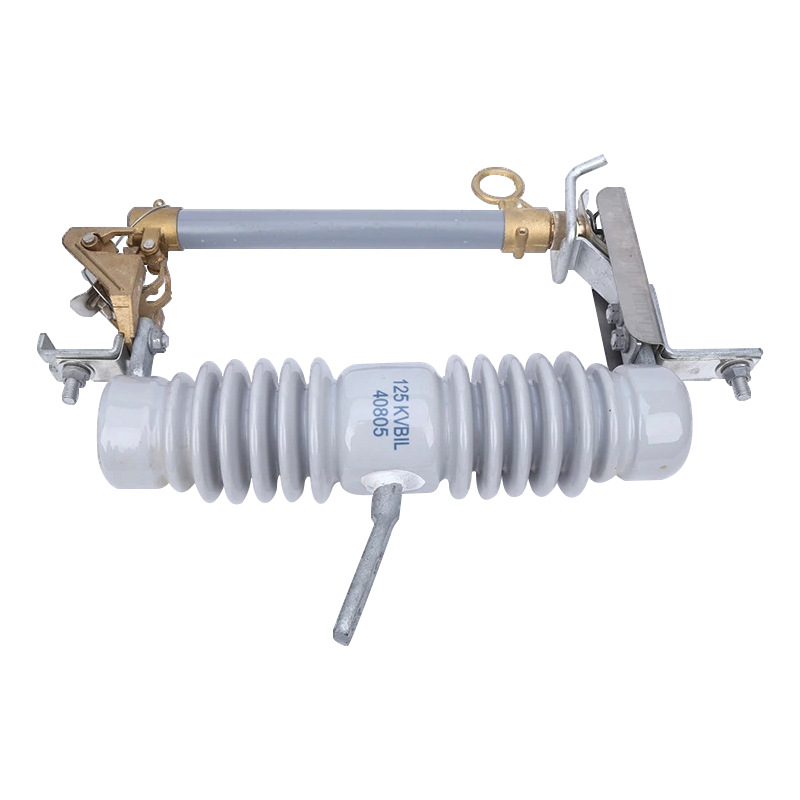
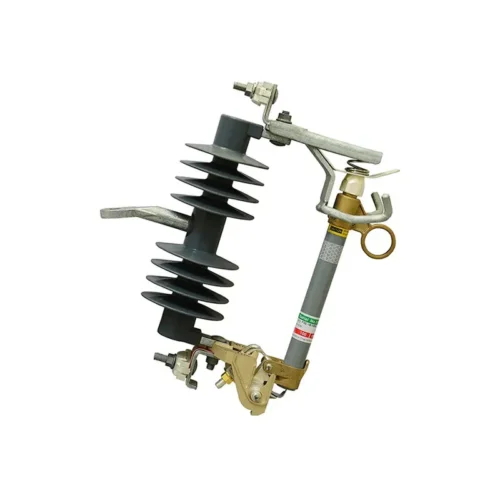
If you have seen a small porcelain or polymer device on a utility pole transformer, you have likely noticed a fuse cutout. It is a simple but critical component in overhead power distribution. Its job is to protect transformers from overloads and short circuits. When too much current flows, the internal fuse melts and the cutout swings down, creating a visible gap that shows lineworkers where the problem occurred. This article explains how a fuse cutout works, why it matters, and where it is used.
How Does a Fuse Cutout Work?
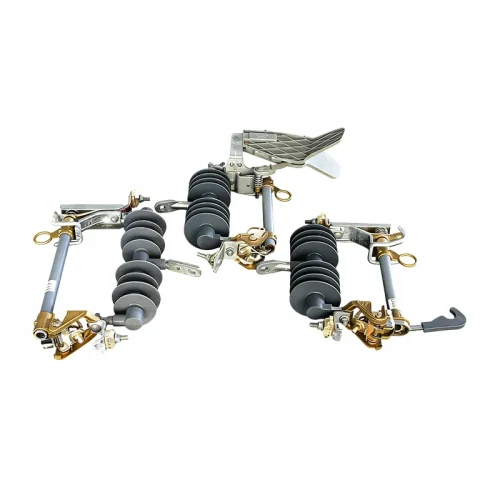
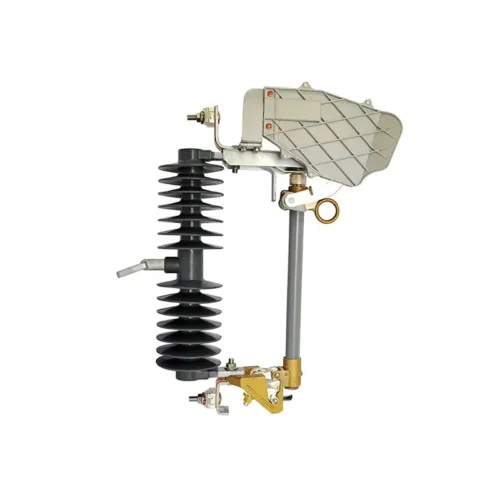
A fuse cutout combines a fuse holder and a fuse link in one assembly. Under normal conditions, the fuse link carries current through the cutout to the transformer downstream. When a fault occurs such as a lightning strike, a fallen tree limb on the line, or an internal transformer failure the current rises sharply. The fuse link melts, and gravity pulls the fuse holder downward. This creates a visible open gap that disconnects the transformer from the line.
The visible gap is an important feature. It allows utility crews to quickly identify which cutout has operated, speeding up repairs and reducing outage time.
Key Benefits of Fuse Cutouts
Here is why the fuse cutout remains a standard device on power distribution networks:
●Transformer Protection: The most common use is protecting distribution transformers from sustained overcurrents that would otherwise damage or destroy them.
●Fault Isolation: When a fuse operates, it isolates only the faulty branch. Other customers on the same feeder continue to receive power.
●Visual Indication: The dropped fuse holder gives linemen an immediate, easy-to-see signal of where the fault occurred.
●Simple and Reliable: No external power source, sensors, or communications are needed. The fuse cutout works entirely on its own.
●Low Cost: Compared to more sophisticated protection devices, the fuse cutout is very affordable to install and maintain.
Where Are Fuse Cutouts Used?
You will find fuse cutout devices in a variety of overhead power applications:
●Utility Distribution Systems: On pole-mounted transformers serving residential and small commercial customers.
●Industrial Facilities: On overhead lines feeding outdoor equipment, lighting, or auxiliary buildings.
●Agricultural Power: Protecting transformers that supply irrigation pumps, barns, or grain dryers.
●Remote Sites: Anywhere that a simple, reliable, and visible overcurrent protection device is preferred over more complex alternatives.
What Buyers and Specifiers Typically Want to Know
If you are selecting or specifying a fuse cutout, here are practical questions to consider:
What voltage rating do I need?
Common ratings include 15kV, 25kV, and 35kV. Choose a cutout rated for your system voltage.
What current rating?
Fuse cutouts themselves have a continuous current rating, typically 100A or 200A. The fuse link inside is selected separately based on the transformer size and expected load.
What material is best?
Porcelain cutouts are traditional and very durable. Polymer cutouts are lighter and offer better tracking resistance in polluted environments.
How do I select the right fuse link?
Fuse links are rated by current and speed (fast or slow). Slow links tolerate temporary inrush currents from transformer energization. Fast links provide tighter protection for sensitive equipment.
What is the interrupting rating?
This tells you how much fault current the cutout can safely interrupt. Match this to the available fault current at your installation point.
Common Misconceptions
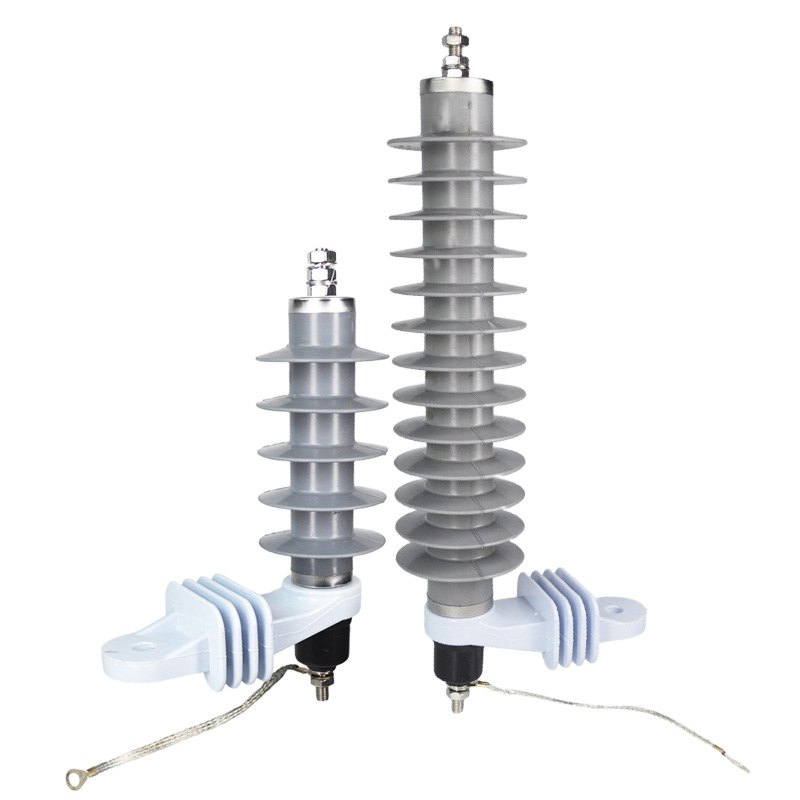
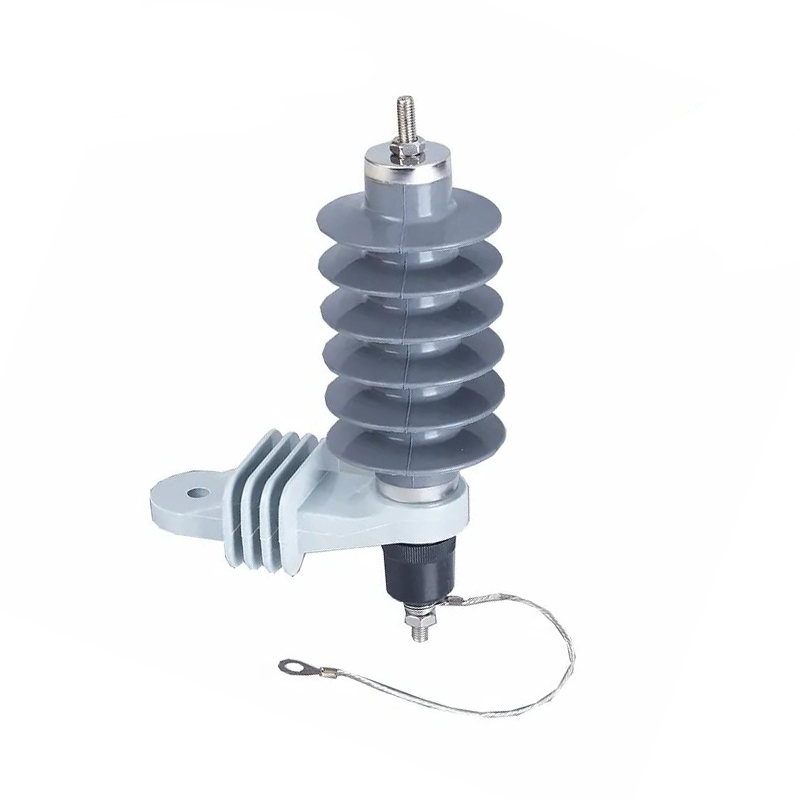
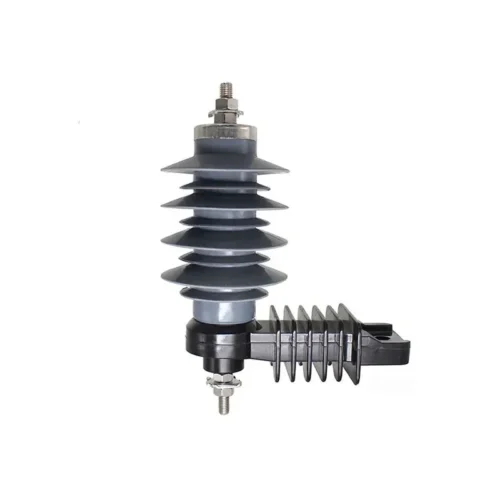
Some people assume a fuse cutout is the same as a lightning arrester. They are different. A lightning arrester diverts voltage surges to ground and resets automatically. A fuse cutout opens the circuit during overcurrent and must be replaced after it operates. Both are often mounted on the same pole, but they serve different protection functions.
Another misconception is that a larger fuse link is always better. Oversizing a fuse link can defeat the purpose of protection. The transformer may be damaged before the fuse operates. Always size the fuse link to protect the transformer, not just to avoid nuisance blowing.
Installation and Maintenance Tips
For reliable operation of your fuse cutout, keep these points in mind:
●Proper Mounting: Mount the cutout vertically so gravity can swing the fuse holder downward freely.
●Correct Fuse Link Selection: Use manufacturer tables to match fuse link rating to transformer size and application.
●Regular Inspection: Check for cracks in porcelain, signs of tracking on polymer housings, and corrosion on contacts.
●Replace After Operation: A fuse cutout that has opened should have both the fuse link and the fuse holder inspected. Reuse only if the holder is undamaged.
Summarize
A fuse cutout protects distribution transformers from overcurrent damage, isolates faults, and provides a clear visual signal to lineworkers. Simple, reliable, and cost-effective, it has been a workhorse of overhead power systems for decades. Understanding how fuse cutouts work helps you make better protection decisions, whether maintaining or designing a system. For help selecting the right fuse cutout or fuse link, consult a qualified electrical distributor or engineer.