+86 15657752999


0102030405
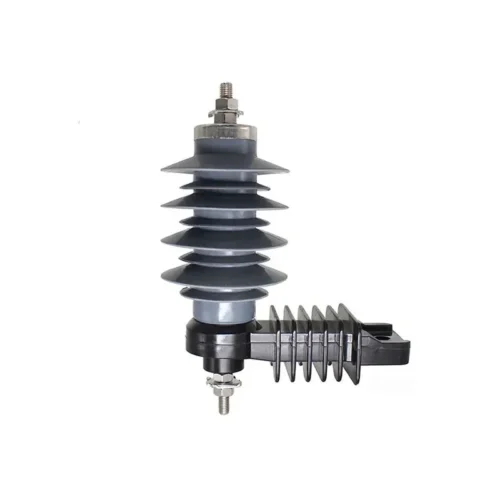
What Is a 30kV Insulator? Technical Specifications & Applications
2026-07-03
In the field of electrical engineering, a 30kV insulator has a critical function as a necessary component in the insulation of high voltage transmission lines. This article provides an overview of what a 30kV insulator is, as well as its technical specifications and uses within the context of high voltage applications.
Understanding 30kV Insulators
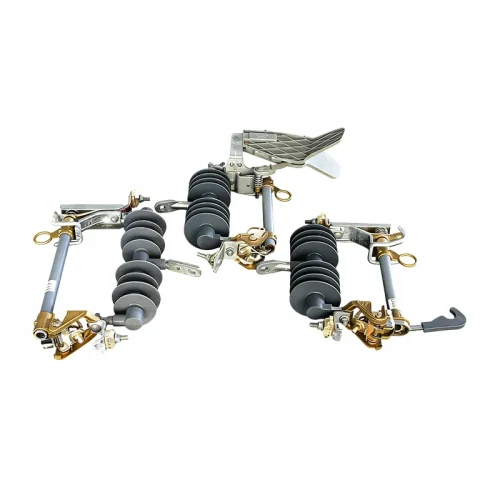
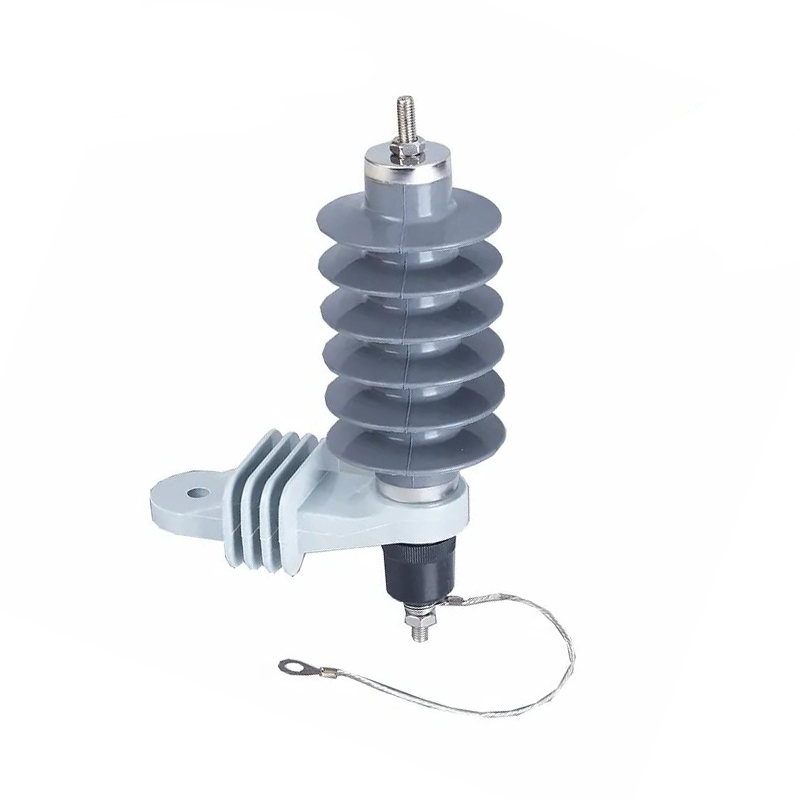
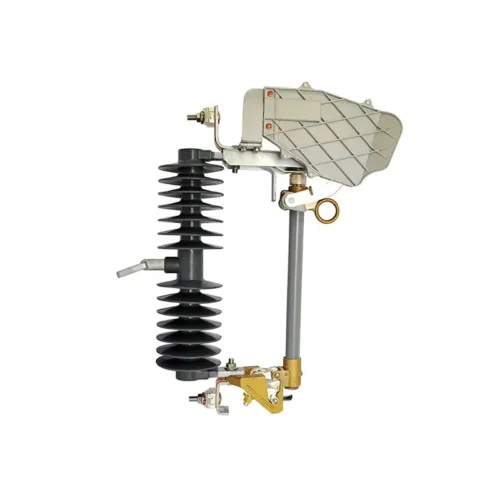
30kV insulators offer electrical insulation and mechanical support in systems that operate at a voltage of 30 kilovolts. These insulators are typically constructed of durable materials capable of handling harsh environmental conditions, and they are an integral part of the operation of overhead power lines. The primary purpose of a 30kV insulator is to prevent electrical leakage while maintaining electrical current within designated conductors, which helps to protect both equipment and personnel.
Technical Specifications of 30kV Insulators
Depending on the manufacturer's unique designs, the technical specifications of 30kV insulators may differ. However, typical specifications would include such details as:
- Voltage Rating: 30kV
- Mechanical Strength: Typically capable of withstanding up to 10kN to 30kN
- Material: Often constructed from porcelain or polymer composites
- Flashover voltage is typically greater than the operating voltage in order to keep an arc from forming under "normal" circumstances.
- Temperature Rating: Able to operate in a wide range of temperatures, often from -40°C to +50°C
- Pollution Performance: Designed to resist adverse effects from environmental pollutants
Types of Insulators
There are four main types of insulators used in electrical transmission applications:
- Pin Insulators
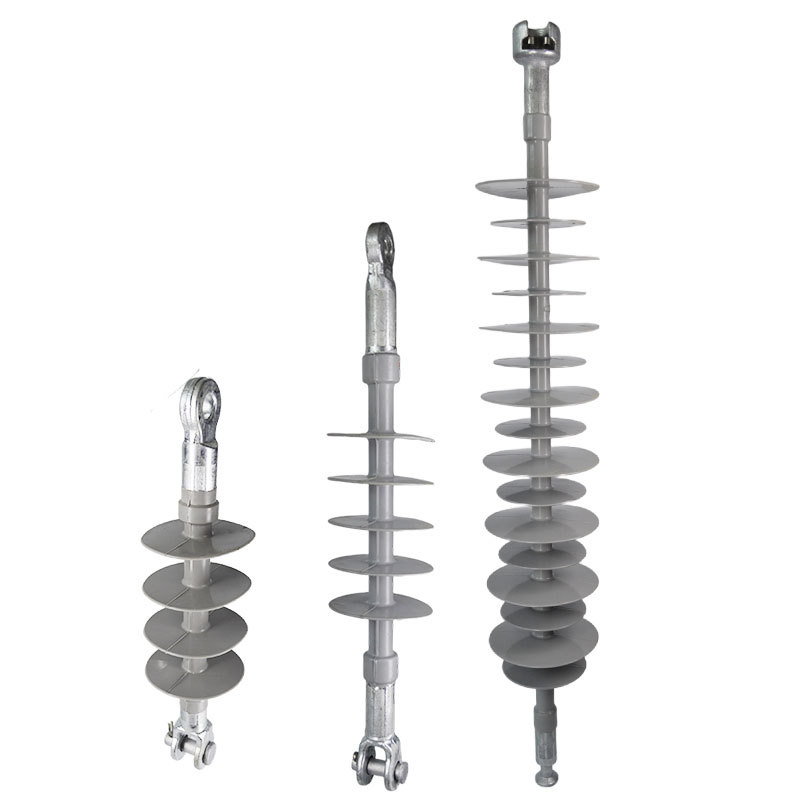
- Suspension Insulators
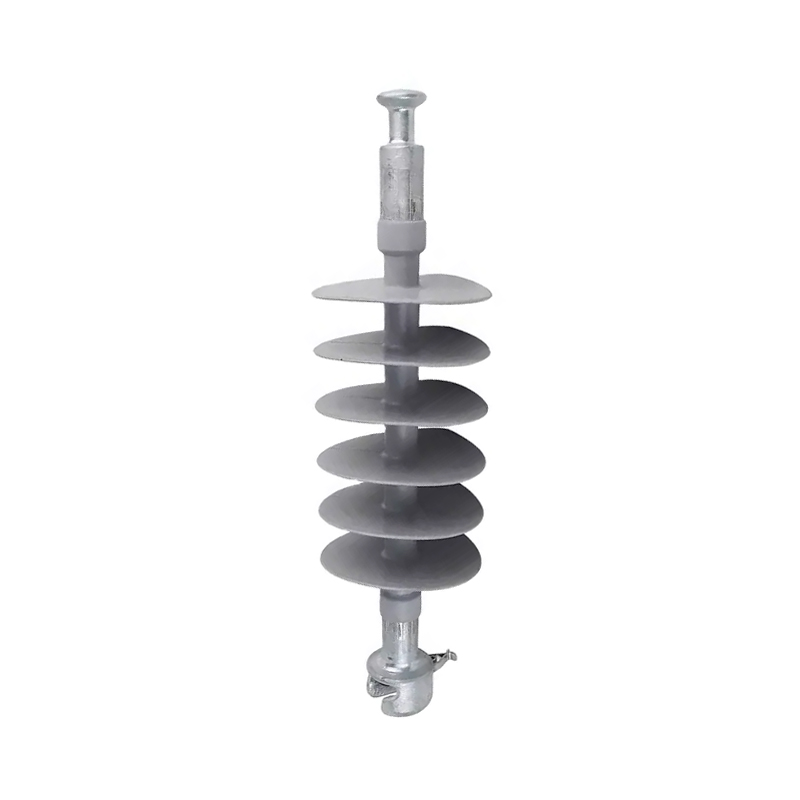
- Post Insulators
- Strain Insulators
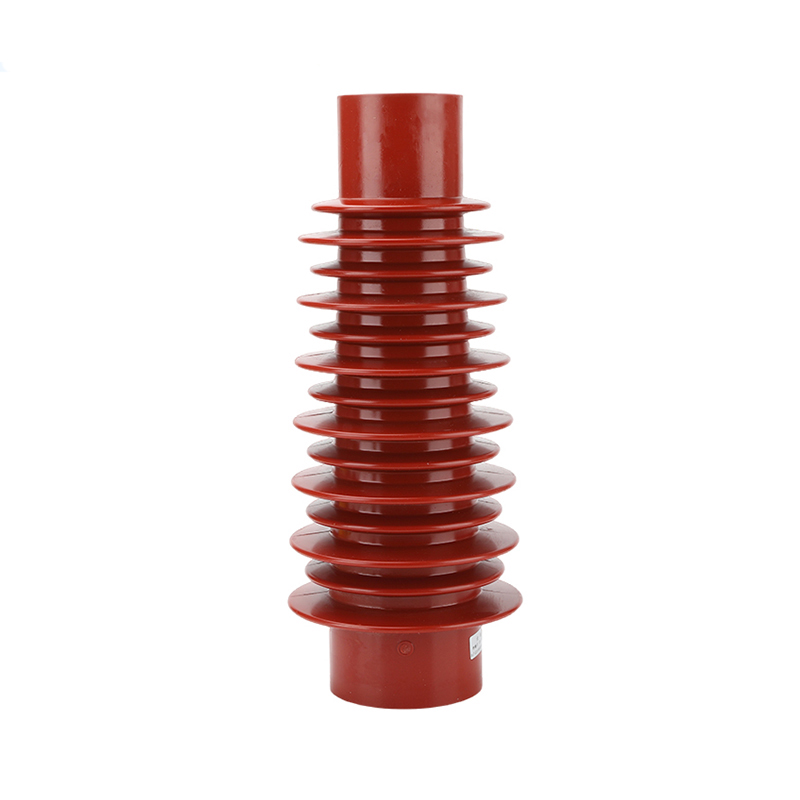
They are all primarily intended for insolation, but the 30kV Post Insulator is predominately used in substations as well as numerous other places where high voltages are required, because of its durability and its mechanically strong design.
Applications of 30kV Insulators
The application of 30kV insulators spans across various sectors, primarily in:
- Overhead Lines: Transmitting electricity from the site of generation to the distribution system safely.
- Substations: Providing electrical insulation between high-voltage apparatus and ground.
- Renewable Energy: Used in wind turbines and solar inverters where high voltage is crucial.
IEC Standards for Polymer Insulators
The IEC standard for polymer insulators (IEC 61109) establishes the required methods used to test and evaluate polymer insulators from materials to be used, encompassing testing various products under a variety if conditions, to ensure that the products will perform reliably over time. By adhering to these performance standards, manufacturers are able to provide high-quality products capable of meeting the demands of modern electrical systems.
High-Voltage Insulation Solutions
In addition to insulators for 30 kV, there exist various insulating materials used for high voltage applications, including silicone rubber and glass insulating materials. Each insulator has its own distinct set of characteristics based on application and performance requirements, and therefore has advantages under many different environmental conditions.
FAQs about 30kV Insulators
What are the specifications of 33kV post insulator? Specifications can include similar mechanical strength and pollution resistance but have a slight increase in voltage rating above a 30kV insulator.
What are the insulators for high voltage applications? All of these materials are appropriate for use as insulators in high-voltage situations due to their ability to resist the forces of high voltage and keep their strength intact.
What is the IEC standard for polymer insulators? The standards of the International Electrotechnical Commission, as specified in IEC 61109, cover the requirements and testing protocols for Polymer Insulators with respect to their performance and safety when used at very high voltages.
Conclusion
Essentially, 30kV insulators are of the utmost importance in ensuring both safety and reliability as part of a high voltage power system. The identification of the relevant specifications and the appropriate application will enable engineers and buyers to select insulators that will contribute to improved reliability within electricity transmission and distribution systems. The use of established industry standards, such as IEC guidelines for polymer insulators, also supports that these insulators will perform safely and effectively within these systems.