+86 15657752999


0102030405
What Is a Drop Out Fuse? Complete Guide
2026-08-26
A Drop Out Fuse is an important function in electric circuits particularly in power supply as well as transformer protection applications. This is because of the important duty of maintaining safety of systems and preventing overloading of systems being observed. This writing provides a comprehensive description of Drop Out Fuse, its working process, and several other operating aspects.
Drop Out Fuse Definition
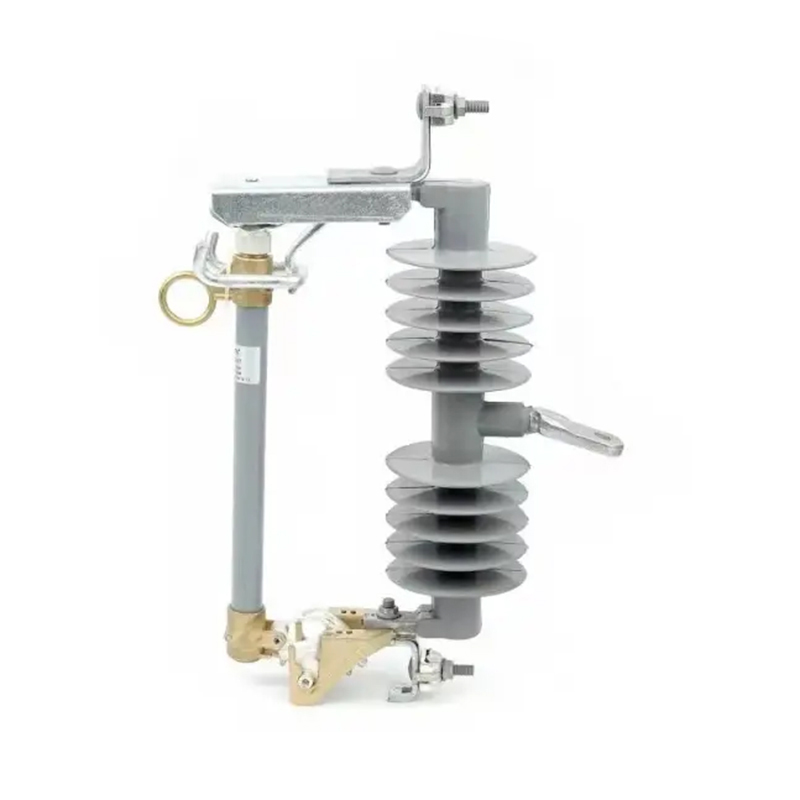
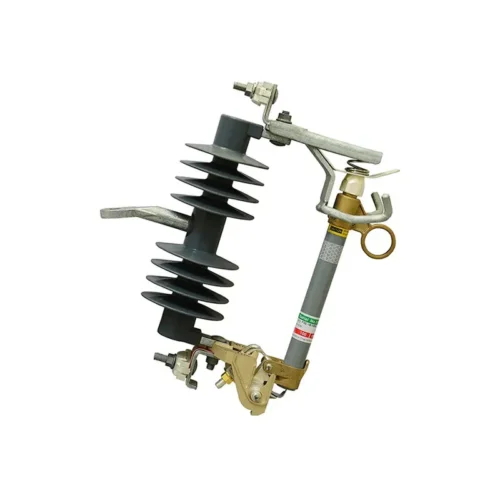
Basic English describes a Drop Out Fuse as a kind of fuse used mostly in overhead power lines, mainly in places where access to a fuse is an important factor in replacement or maintenance of the fuse. This is in contrast to ordinary fuses that always need a complete detachment from the circuit to make it possible to do the replacement.
How a Drop Out Fuse Works
The Drop Out Fuse works on the basic principle of heating or burning due to current flow. When the current which passes through this type of fuse is higher than a certain amount of value, then heat is generated. The heat causes the fuse element to melt which interrupts the circuit. The important point about Drop Out Fuse is that as soon as the fuse element has melted, the fuse holder gets released which allows the engineer work in comfort.
Key Components of a Drop Out Fuse
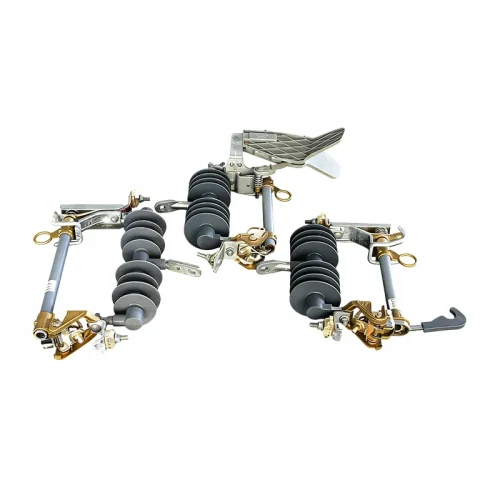
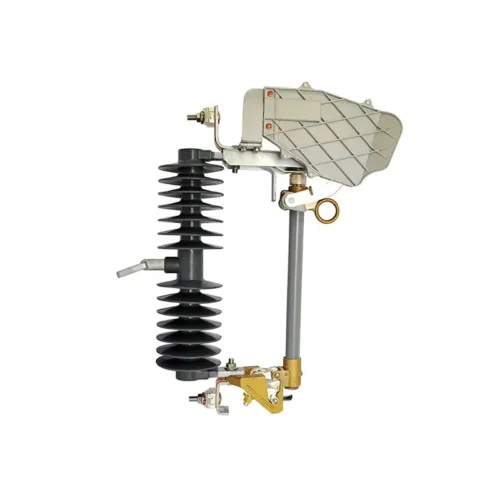
The main components of a Drop Out Fuse include:
- Fuse Element: The critical part that melts under excessive current.
- Fuse Holder: The mechanism that holds the fuse in place, which drops out once the fuse operates.
- Support Insulators: These provide electrical isolation and physical support for the fuse assembly.
All of these elements are essential for the proper working of a fuse and providing it with protection.
Drop Out Fuse vs Other Fuses
It's essential to recognize the importance of studying the Drop Out Fuse alongside other fuse types, as their functionality and effectiveness differ from one application to another. Generally, a standard fuse is required to be disconnected from the circuit altogether, which usually results in downtime. On the contrary, the Drop Out Fuse is designed in a way that allows a quick review and replacement without disconnection of the main circuit. In this sense, one can see how much time it saves on maintenance work, which makes it more desirable for power companies and industrial facilities.
Common Applications of Drop Out Fuses
Typically, you will find Drop Out Fuses in various applications, including:
- Transformers in distribution networks, particularly those operating at 11kV.
- Overhead power lines where easy accessibility for maintenance is required.
- Substations needing effective overload protection without complex disconnection procedures.
FAQs About Drop Out Fuses
What is the typical voltage rating for a Drop Out Fuse?
Drop Out Fuses are most frequently rated at 11kV, but they can be developed for different levels of voltage as per application requirements.
How often should Drop Out Fuses be checked?
It is suggested that regular checks should be performed once a year to ascertain that they are operating as intended with no unexpected failure.
Can a Drop Out Fuse be used in indoor applications?
Although primarily intended for outdoor applications, Drop Out Fuses that have been specifically tested can also be applied in controlled settings indoors.
Knowing how a Drop Out Fuse works along with its application fields makes it possible to utilize it as a part of an efficient system of electric energy distribution. Known for easy maintenance, high reliability, and protection, the fuses can be used when conducting various industrial and utility operations.