+86 15657752999


0102030405
What Is a Drop Out Fuse Cutout?
2026-04-17
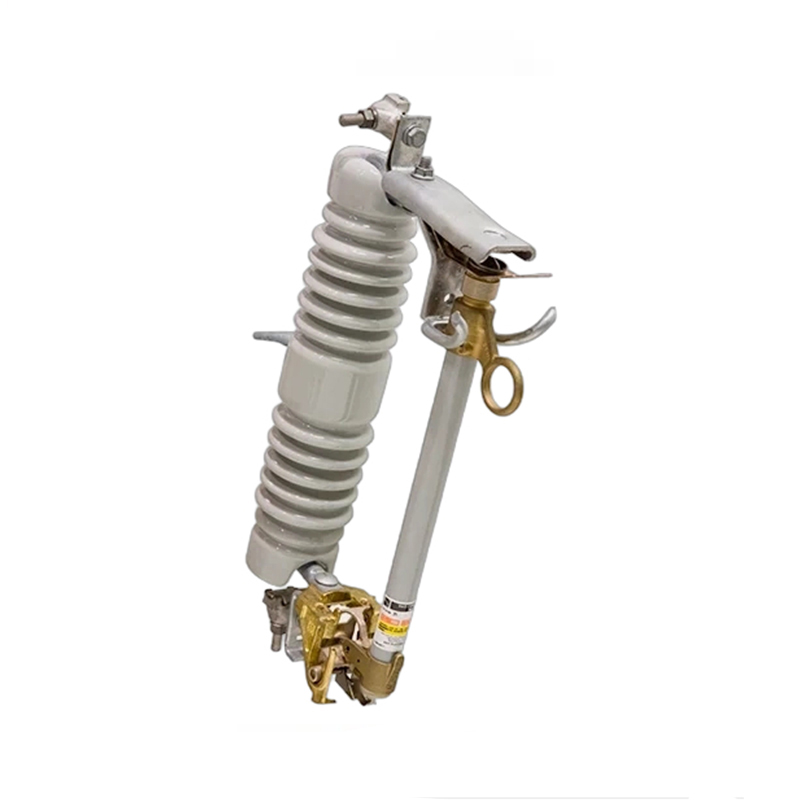
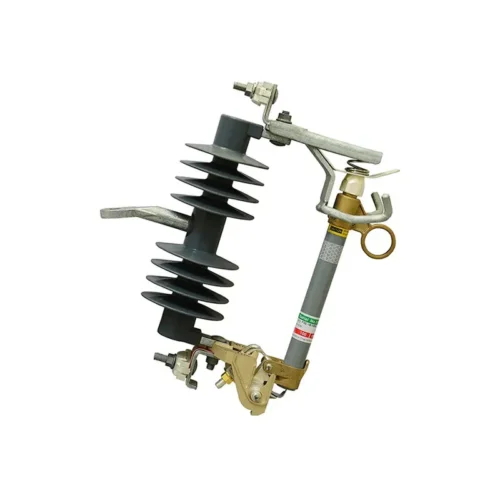
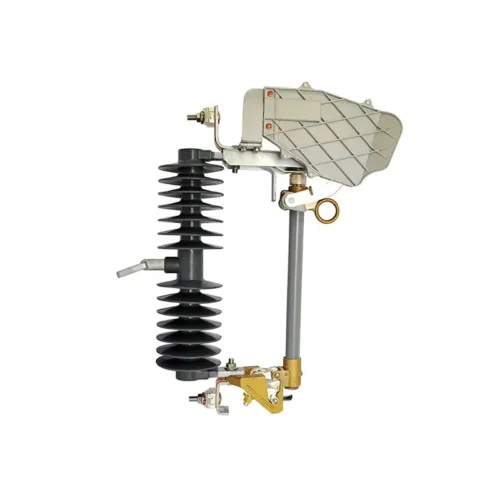
If you work with overhead power lines or manage utility infrastructure, you've likely walked a pole line looking for a visual sign of trouble. More often than not, the first thing that catches your eye is a porcelain or polymer tube hanging downward from an insulator bracket. That simple mechanical action a tube swinging open to break the circuit is the defining feature of a Drop Out Fuse Cutout. It serves as both a precise overcurrent protector and a highly visible fault indicator, saving maintenance crews hours of troubleshooting on long distribution feeders.
The Practical Value of Visible Isolation
Unlike enclosed switchgear where you have to rely on gauges or indicator lights, a Drop Out Fuse Cutout offers immediate situational awareness. When the fuse link melts under fault conditions, the bottom contact releases. Gravity takes over, and the tube pivots down to a vertical position. This isn't just a clever design choice; it's a critical safety feature.
From the ground, a lineman can instantly see which section of the line has been isolated. There is no need to approach energized equipment or use voltage detectors to confirm an open circuit. That visible air gap reduces the risk of accidental re-energization and speeds up restoration times significantly. For a utility buyer or a rural electric cooperative, this reduction in patrol time directly translates to lower operating costs and improved reliability metrics.
Where This Equipment Fits Best
You will find these devices in a few specific, high-stress environments where reliability cannot be compromised.
●Pole-Mounted Transformers: The most common application. A cutout acts as the first barrier between the grid and the transformer primary. If a transformer fails internally, the cutout clears the fault without causing a lockout at the substation breaker.
●Lateral Feeder Taps: In a distribution network, a fault on a small, single-phase spur line should never take down the main three-phase artery. Installing a cutout at the tap point ensures that a tree limb on a back road only affects the few houses on that spur, not the entire industrial park down the highway.
●Capacitor Bank Switching: Banks of capacitors used for voltage support are often protected individually. If one can develops an internal short, the Drop Out Fuse Cutout isolates it cleanly, allowing the rest of the bank to stay online and continue supporting the system voltage.
What a Buyer Really Needs to Know
If you are writing a specification or preparing a purchase order, you are likely less interested in sales pitches and more interested in whether the unit will survive the next ice storm or salt fog event. Here are the factors that separate a reliable installation from a maintenance headache.
First, consider the environment. Is the line located near the coast where salt spray coats everything? Or is it in a dusty agricultural area with fertilizer runoff? In these cases, the Drop Out Fuse Cutout should be specified with a polymer silicone insulator. The hydrophobic properties of silicone help water bead off rather than forming a conductive film on the surface. This prevents tracking and flashover during light rain or morning dew a common cause of nuisance outages. Porcelain remains a sturdy, economical option for cleaner, inland climates, but it is heavier and more prone to shattering from vandalism or mechanical shock.
Second, think about the fault current available on your line. The interrupting rating of the device must be higher than the maximum calculated fault current at that pole. Skimping on this rating is a safety hazard; during a major short circuit, the device must be able to extinguish the arc inside the tube without failing.
Finally, consider the fuse link. Standardizing on one type of expulsion link across your system makes the lineman's job easier and reduces inventory complexity. While the cutout body might last thirty years, the fuse link is a consumable that gets replaced every time there's a fault. Keeping the process simple is a major advantage for the crew in the bucket truck.
Suggestion
It's easy to view a cutout as a simple switch. But in the context of grid reliability, it is a decision point for power flow. A properly functioning device ensures that a problem on one span of wire does not cascade into a widespread outage. For the person responsible for maintaining the system average interruption duration index, that granular level of protection is essential.
Beyond the technical specs, the user experience for the line crew matters. A cutout with a smooth hinge operation and a secure, tight latching mechanism makes restoration work faster and safer. When the wind is blowing at thirty miles an hour and the rain is coming down sideways, a lineman wants to trust that the replacement fuse holder will snap into place firmly and stay there. That kind of mechanical confidence is built into the design of a well-manufactured unit.
The Drop Out Fuse Cutout is one of those rare pieces of equipment where simplicity actually enhances performance. There are no electronics to fail, no software to update, and no communications network required. It relies on heat, gravity, and an open gap to do its job. For anyone managing an overhead distribution system, that is a reassuring level of dependability to have hanging on the crossarm.