+86 15657752999


0102030405
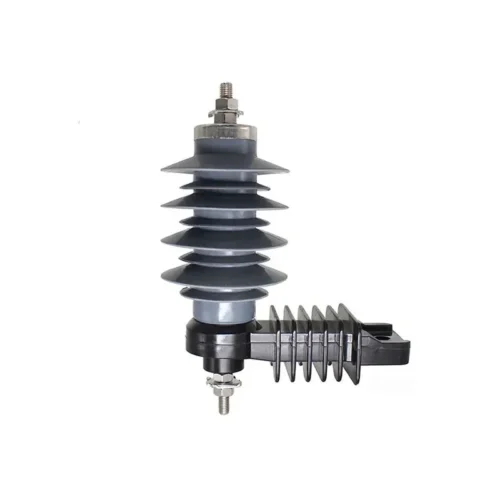
What Is a Lightning Arrester? Functions & Applications
2026-09-28
Understanding Lightning Arresters: Definition and Principle
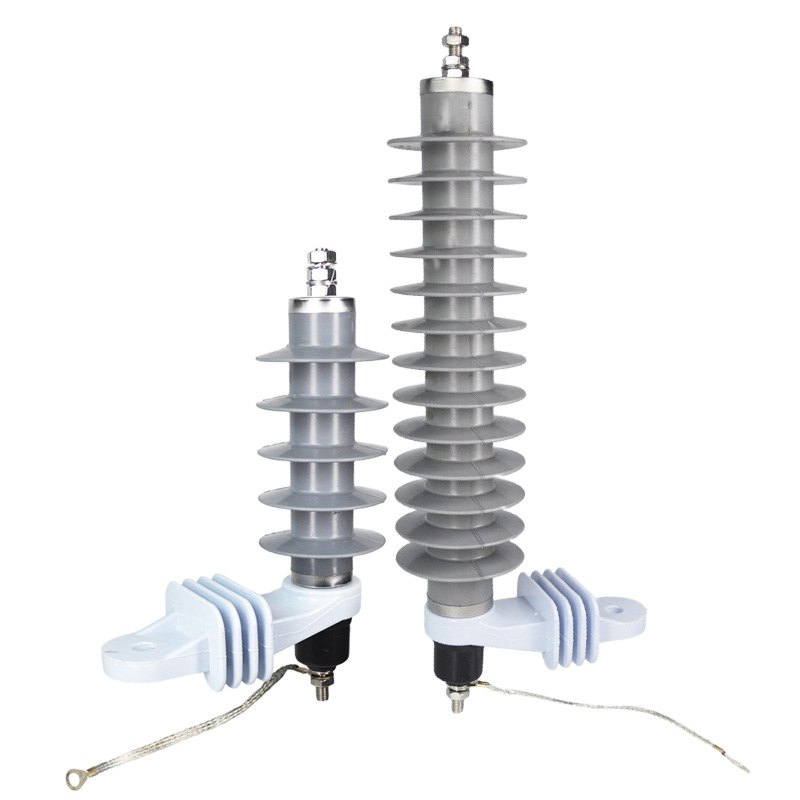
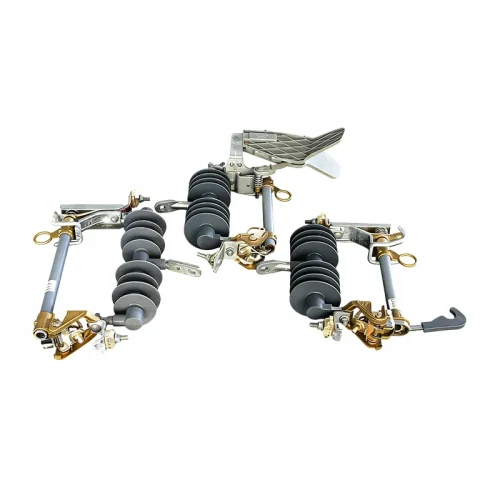
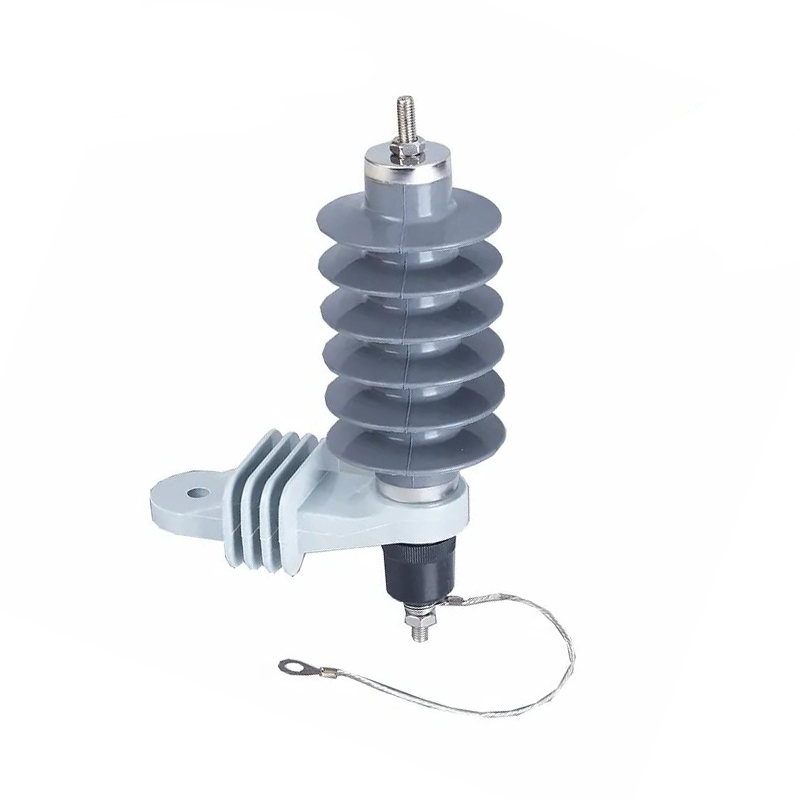
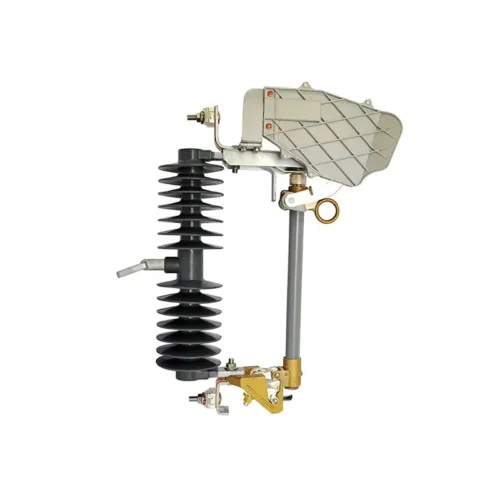
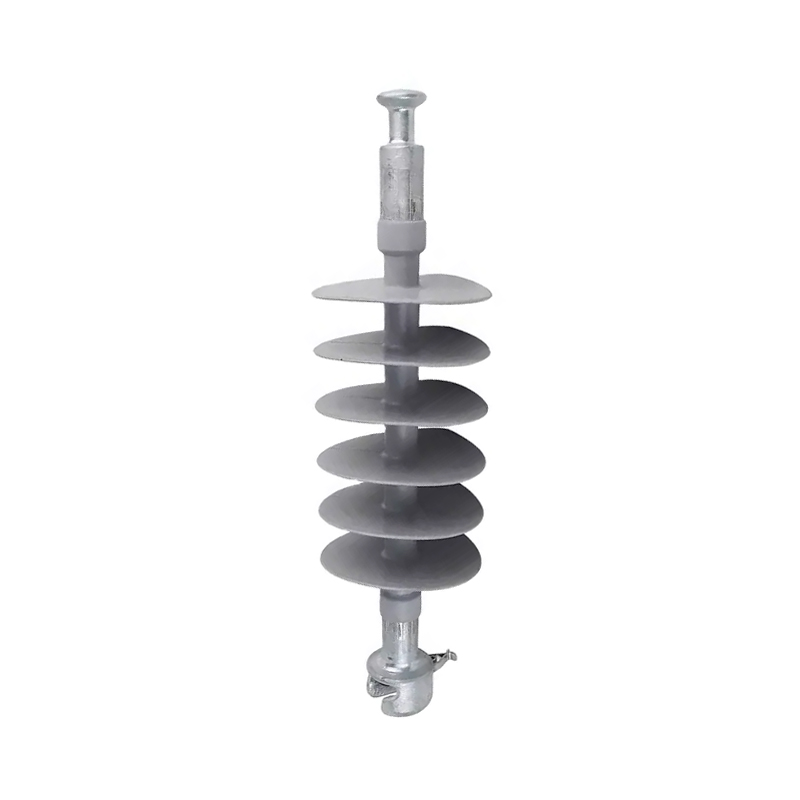
A Lightning Arrester is a device designed to protect electrical systems from voltage spikes, especially due to lightning strikes. Its primary job involves directing the excess voltage to the ground so as to avoid damaging electrical systems and to enhance safety. A lightning arrester is installed in important places like incoming electrical lines or rooftop areas and remains passive as long as normal conditions prevail, only activating when a voltage surge is observed, ensuring that the main system remains safe while in everyday use.
How Does a Lightning Arrester Work?
A Lightning Arrester serves as a filter that permits regular electrical current while quickly responding to abnormal surges. It has parts that are basically non-linear resistors or metal oxide varistors that resist high voltage and become conductive in case of surge occurrence. In such cases, it directs the excess power directly to ground. After normal condition is achieved, the arrester returns to its insulating form thus ensuring normal performance of the electrical system without any interruptions.
Key Functions in Power Systems
The primary role of the lightning plug is to protect vital equipment from powerful voltage surges which decreases the chances of failures and costly downtimes. The lightning plug drastically enhances safety by redirecting hazardous current from human operators and delicate infrastructure. Moreover, the lightning plug improves voltage stability and diminishes the stress on the devices which helps improve their lifetime.
Applications of Lightning Arresters
There is various usage of lightning arresters. In the electricity generation and distribution system, lightning arresters are present at substations and transmission lines. The solar lightning arresters are engineered for the photovoltaic system, which protects the solar panels and inverters from the unexpected voltage spike. A vast number of industries, data centers, telecom towers, and even residences depend on the use of arresters to allow permanent functioning and eliminate the possible risks of a surge.
Types of Lightning Arresters
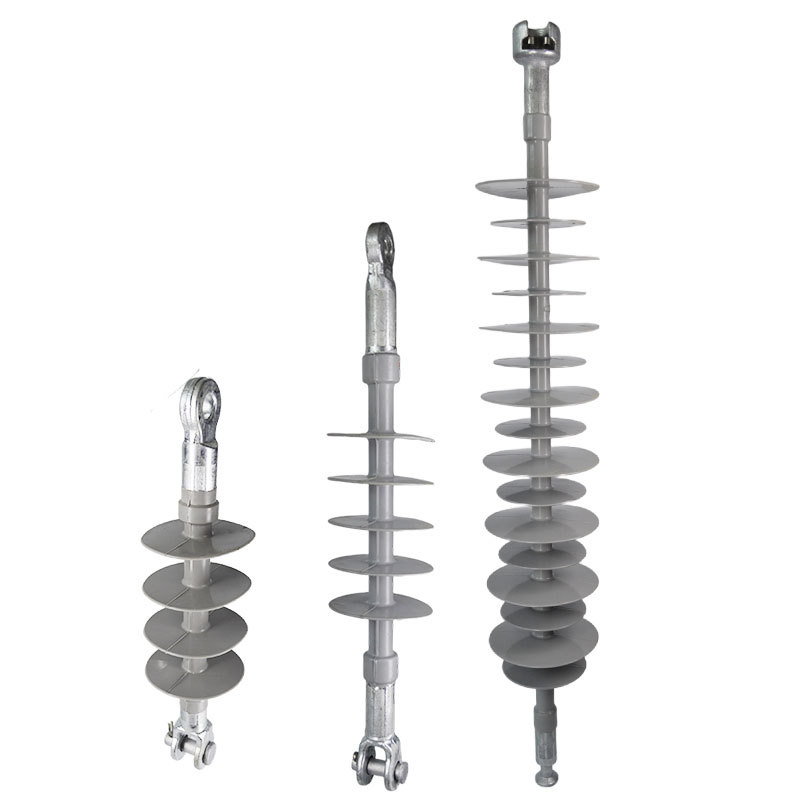
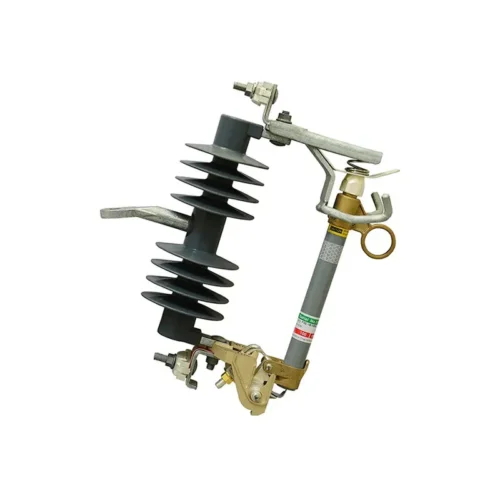
There are several types of arresters designed to meet different requirements:
Conventional lightning arresters These devices are common in classical electrical grids that successfully work efficiently in both high-voltage and low-voltage conditions.
Lightning surge arresters offer distinct defense against both lightning and electrical switching overvoltage, which makes them appropriate for equipment requiring a high level of sensitivity.
Solar lightning arresters The design of the solar energy systems is customized to meet the unique requirements of users by considering various aspects like DC voltage while choosing the right installation.
Selecting the Right Lightning Arrester
Selecting a suitable lightning arrestor requires careful consideration of several factors. First, it is necessary to determine the system voltage and identify the common types of surges. In solar installations, it is advisable to opt for arrestors whose ratings correspond to the DC voltage. Environmental conditions must also be taken into account, as installations in these areas require the use of materials that resist vigorous sun rays. Essential factors include the ease of installation and maintenance of the arrestors, as well as the reputation of the manufacturer in the industry.
Maintenance and Replacement
Regular checks are necessary to make sure a Lightning Arrester continues to work properly. The aerial view may detect signs of wear and contamination. Electrical tests may spot possible internal deterioration. However, if the Lightning Arrester shows signs of reduced efficiency or damage, it is imperative that the unit is replaced without delay.
Frequently Asked Questions
What Is a Lightning Arrester and How Does It Work?
It is a machinery, which saves electrical systems from high voltage influx mainly by discharging excess electricity in events such as lightning strikes before it gets to delicate apparatus.
What Are the Main Functions?
Key functions include overvoltage protection, equipment protection, fire risk prevention, and ensuring continuity of operations in power systems.
Where Are Lightning Arresters Used?
The utilization of transformers is predominant in substations and solar energy plants, transmission lines, production plants, and telecom towers.
How Do I Select the Appropriate Lightning Arrester?
Make sure the arrester is appropriate for your voltage specification, exposure to surges, and environmental conditions, and verify that it complies with the relevant specifications.
Meteorological devices of highest degree importance for the working of the network. Apart from protecting important utilities, they guarantee a constant performance of several crucial services. The proper equipment choice along with periodic checks of the metering devices and technological advances allow the users to eliminate the majority of threats that arise due to electric fluctuations.