+86 15657752999


0102030405
What Is a Polymer Insulator and How Does It Work?
2026-07-22
In the current era of power systems, the selection of insulating materials is crucial for the achievement of safety, reliability, and efficiency standards. One such modern solution is the polymer insulator, which has become extremely popular in recent years. This article will examine polymer insulators and how they work, their advantages in comparison to conventional materials, and their application in electrical systems and infrastructures.
Understanding Polymer Insulators in Power Systems
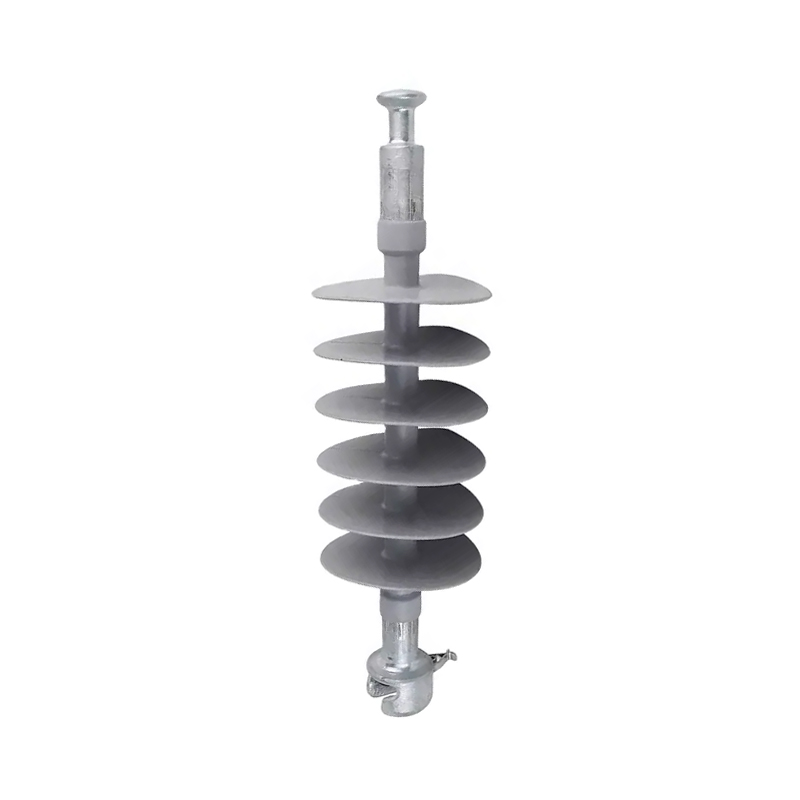
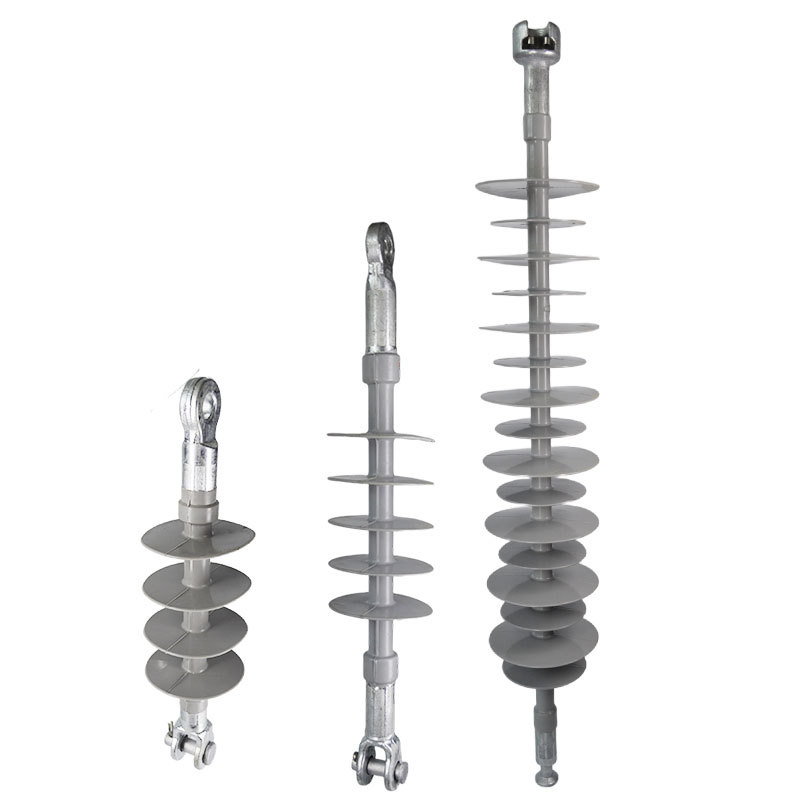
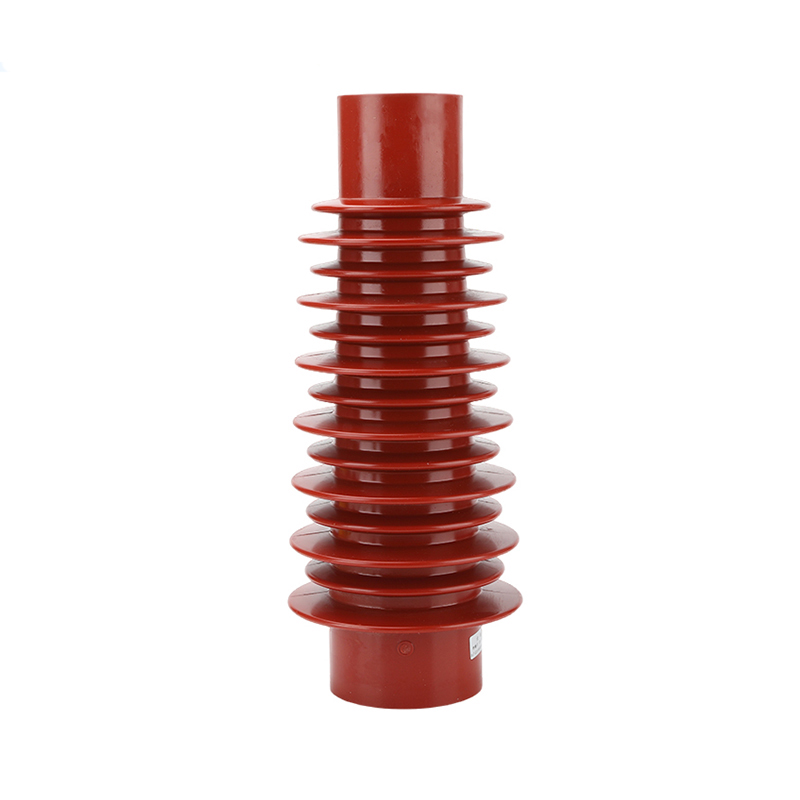
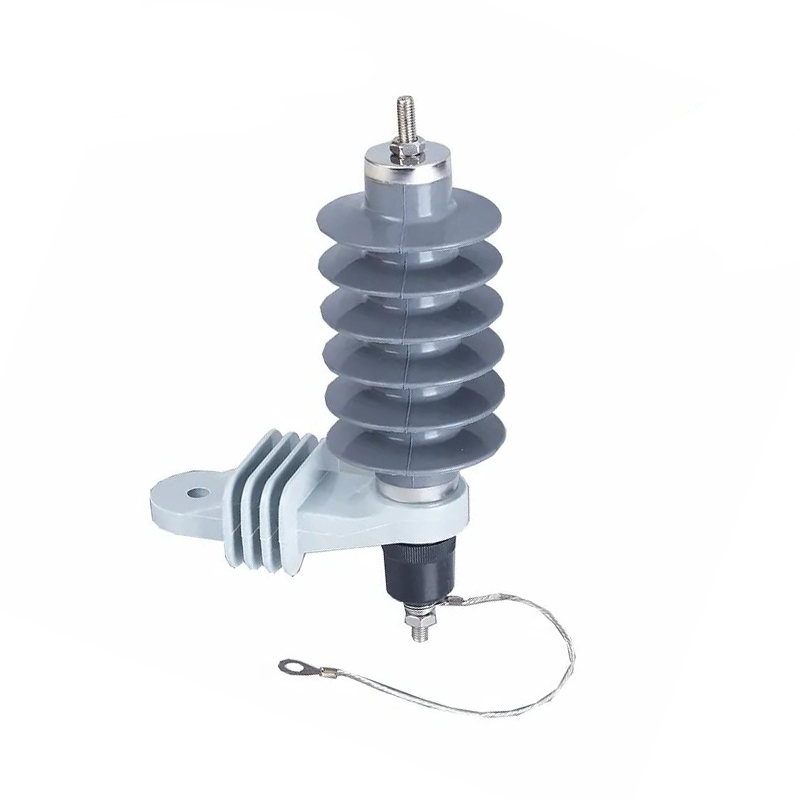
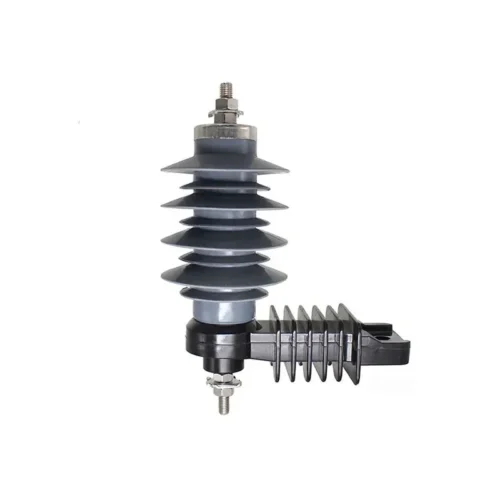
A polymer insulator refers to an electrical insulator that uses polymeric materials such as silicone rubber. These insulators are engineered to support as well as insulate the high voltage conductors in an electrical system, thus preventing any unwanted electrical discharges. Being made from advanced polymers, polymer insulators have mechanical strength and weatherproof characteristics. Unlike traditional materials such as porcelain and glass, these materials display exceptional electrical and mechanical properties making them perfect for extreme environmental conditions. The common types of polymer insulators include the polymer pin insulator and the polymer strain insulator among many others.
How Does a Polymer Insulator Work?
Polymeric insulators function by employing the special characteristics of synthetic materials like silicone rubber or ethylene-propylene rubber, giving the insulators excellent features in terms of electrical insulation and hydrophobicity. The hydrophobic property causes the water and dirt to gather in the form of drops on the surface and prevents the development of conductive paths for flashovers and electrical faults to arise. When installed, they provide a protection barrier of electrical conductors against the surrounding environment, guaranteeing efficient supply of electric power.
Polymer Insulator vs. Porcelain Insulator vs. Glass Insulator
When selecting insulation materials for electrical projects, it is crucial to compare polymer insulators versus conventional materials like ceramic and glass. In addition to being lighter than ceramic or glass, polymer insulators have better fracture toughness than both traditional materials. Consequently, these materials are easy to handle and install; the addition of lower costs of transportation as a result of polymer insulation’s low mass makes this material a great choice for electrical installations. They show exceptional resistance to environmental factors, being capable of withstanding high temperature as well as UV radiation and pollution.
Benefits of Using Polymer Insulators
The advantages of polymer insulators go much deeper than just being lightweight and durable. Among these advantages are:
- Improved performance in adverse weather conditions, including high winds, heavy rain, and extreme temperatures.
- Lower installation and transportation costs due to their light weight.
- Reduced maintenance requirements and extended operational lifespan.
- Enhanced safety and reliability due to their superior insulation properties.
These advantages indicate that polymeric insulators are a perfect option for today's power systems due to their ability to satisfy the growing requirements of energy efficiency and sustainability.
FAQ
What are polymer insulators made of?
Synthetic materials of high quality like silicone rubber or ethylene propylene rubber are used to create polymer insulators, which makes them effective in providing electrical insulation and mechanical strength.
How long do polymer insulators last?
Polymer insulators are manufactured so that they last long with an operational lifespan of around 25 years or more including the environmental conditions and maintenance work that will aid in these insulators with regards to their lifespans.
Are polymer insulators suitable for all weather conditions?
Indeed, polymer insulators can endure various environmental conditions such as elevated temperatures, UV radiation, and contamination which indicates that they are compatible for different climate situations.
How do polymer insulators compare to porcelain and glass insulators?
In comparison to glass and porcelain insulators, polymer insulators are lighter, tougher, more resistant to weather conditions, and lighter in regards to maintenance.
Conclusion
Finally, it can be concluded that polymer insulators are a breakthrough in the area of insulating materials, offering numerous benefits in comparison with conventional materials, such as glass or porcelain. The lightweight of materials, excellent resistance to weather conditions, and good insulating properties make polymer insulators a choice for modern power systems. As we see further developments in the industry, the necessity to know about the role of polymer insulators in power systems will always remain relevant for engineers, utility companies, and other stakeholders in electrical systems.