+86 15657752999


0102030405
What Is the Main Function of a Lightning Arrester?
2026-04-27
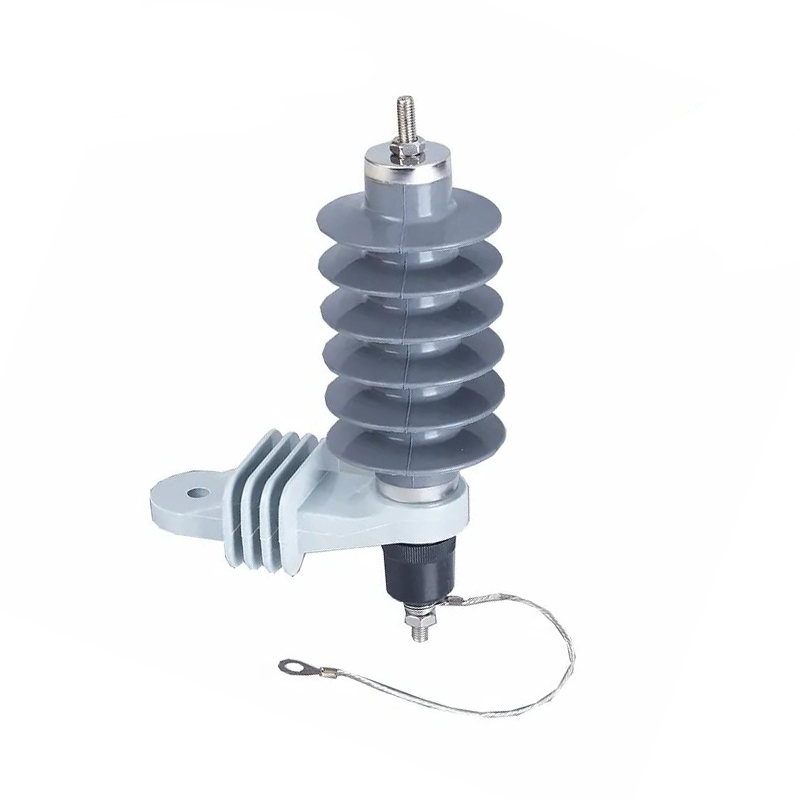
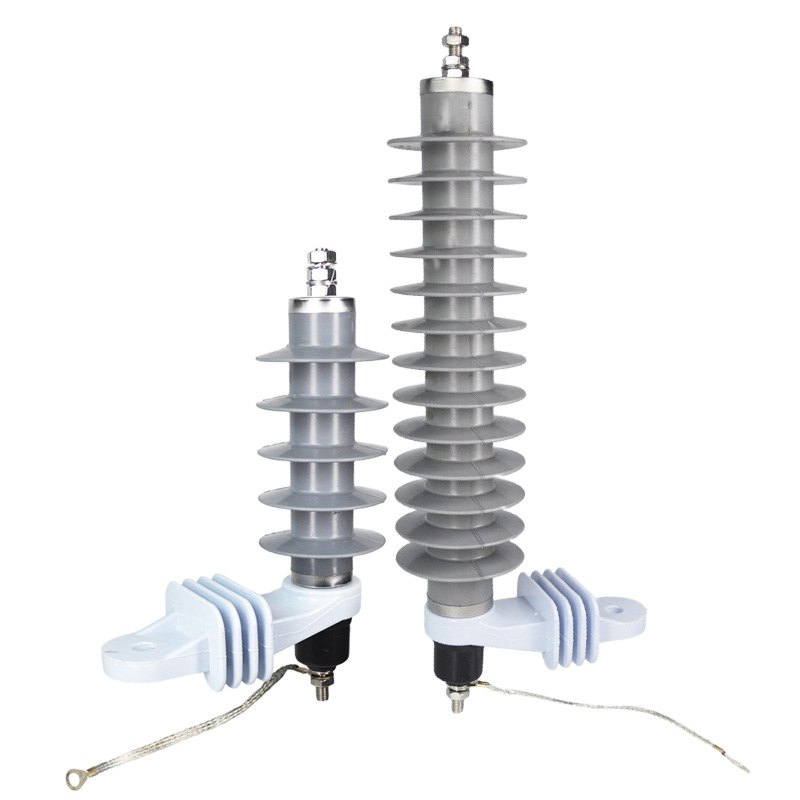
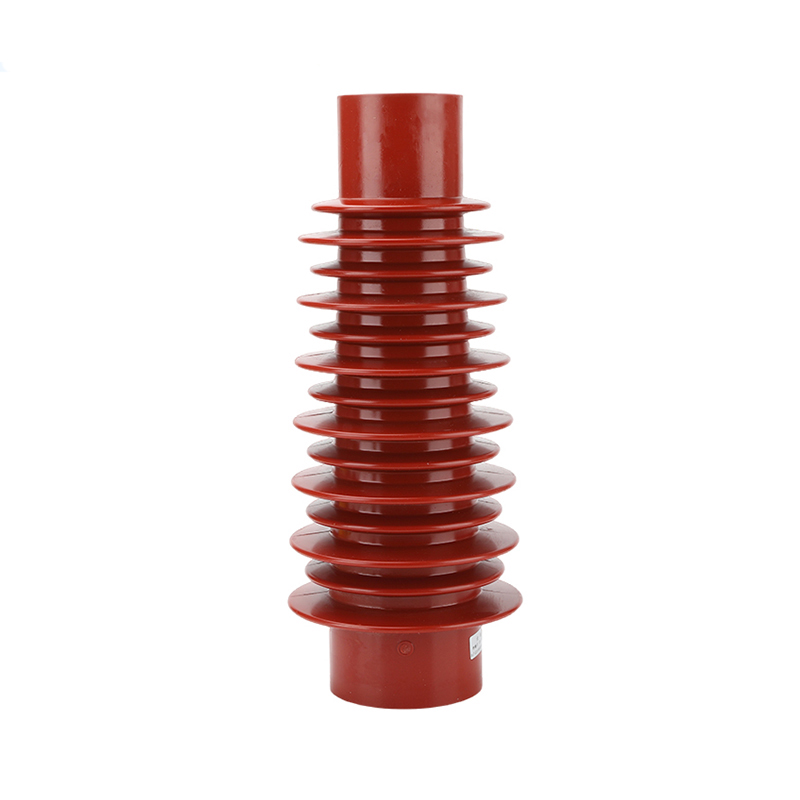
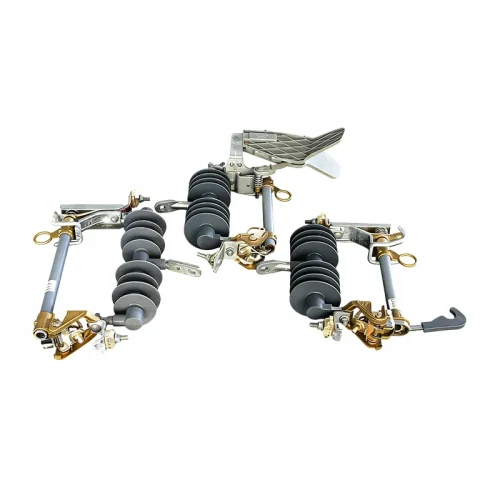
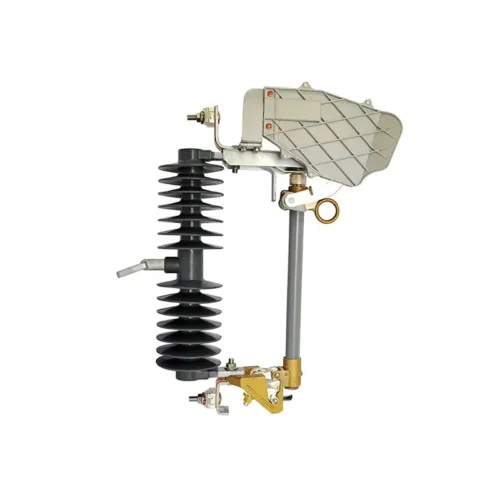
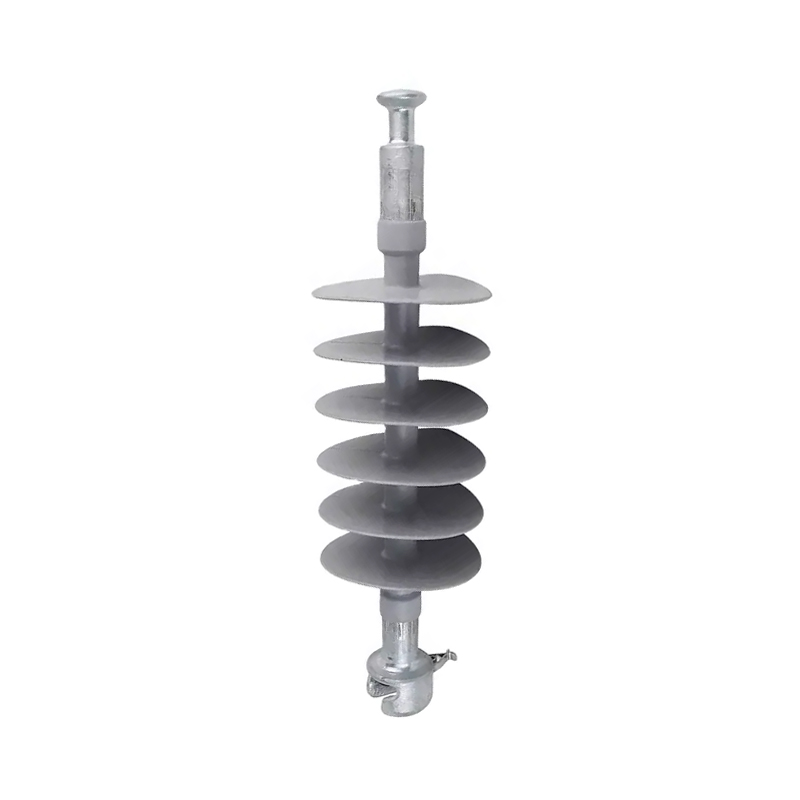
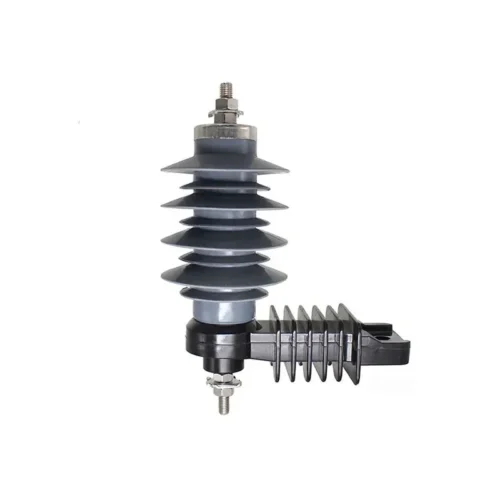
A lightning arrester is a protective device designed to defend electrical equipment from high-voltage surges most commonly those caused by lightning strikes. Think of it as a safety valve. When a sudden spike in voltage races through a power line, the arrester redirects that dangerous energy into the ground before it can reach your appliances, machinery, or building wiring. Whether you're securing a residential property or managing an industrial site, understanding this component can save you from costly repairs and unexpected downtime.
How a Lightning Arrester Actually Protects Your Equipment
The core job of a lightning arrester is straightforward: it limits voltage to a safe level. During normal operation, the device sits quietly, acting almost like an open switch. When a surge occurs, the arrester instantly becomes conductive, creating a low-resistance path to the earth. Once the surge passes, it returns to its non-conductive state. This sequence happens in microseconds fast enough to prevent insulation breakdown in transformers, switchgear, and sensitive electronics.
If you've ever wondered why a direct lightning strike doesn't always fry every device in a building, the answer often lies in a properly installed lightning arrester working in tandem with a grounding system.
Key Benefits That Matter to Buyers
- Equipment Longevity: By clamping down on transient overvoltages, a lightning arrester reduces stress on internal components. This means motors last longer, circuit boards stay intact, and expensive control systems avoid premature failure.
- Operational Continuity: For businesses, downtime translates directly into lost revenue. A well-chosen arrester keeps production lines moving and data centers operational during storm season.
- Fire Prevention: Uncontrolled surges can cause arcing or overheating in wiring, creating a serious fire hazard. Arresters significantly lower this risk.
- Lower Insurance Costs: Some insurers favor properties with certified surge protection, potentially lowering premiums especially in lightning-prone regions.
Where Lightning Arresters Are Most Needed
You'll find these devices in a wide range of settings. Substations rely on heavy-duty arresters to protect transformers and circuit breakers. Commercial buildings often install them at the main service entrance to shield HVAC systems, elevators, and IT infrastructure. Even in residential applications, a compact lightning arrester installed at the distribution panel can defend home automation systems, solar inverters, and entertainment setups from the aftermath of nearby strikes.
Remote or exposed locations think telecommunications towers, pumping stations, and rural installations particularly benefit, as they often serve as the highest point around. If your site experiences frequent thunderstorms or suffers from unexplained equipment failures after storms, missing or undersized surge protection is often the culprit.
Choosing the Right Lightning Arrester for Your Setup
Selection hinges on a few key factors: the system voltage, the expected surge current, and the installation environment. A metal-oxide varistor type commonly suits modern installations due to its fast response and durability. Before purchasing, it's wise to check coordination with existing circuit breakers and the overall grounding system. A poorly grounded arrester offers little to no defense.
Installation matters just as much as the product itself. Leads should be kept as short and straight as possible to minimize impedance. Regular visual inspections looking for cracks, discoloration, or disconnected earth leads help maintain reliability.
For those managing critical infrastructure, combining a lightning arrester with staged surge protective devices creates layered defense, addressing both high-energy lightning effects and smaller switching surges.
A lightning arrester isn't a luxury add-on; in many environments, it's an essential line of defense. By steering destructive energy away from valuable equipment, it delivers peace of mind that few other electrical protection measures can match.