+86 15657752999

0102030405
Which Insulator Is Used in Transmission Line
2026-05-15
A transmission line insulator does two simple jobs: it holds the conductor in place and stops current from leaking to the tower. The right choice depends on voltage level, mechanical load, and how dirty the air gets. Below we walk through the most common types, what makes each one different, and when you'd pick one over another so you can make a solid decision without wading through textbooks.
Why the insulator material matters first
Before looking at shapes, it helps to understand what these things are made of. Three materials dominate today's overhead lines:
- Porcelain:A proven classic with high compressive strength and slow aging. Heavier than other types and somewhat vulnerable to vandalism or thermal shock if the glaze gets damaged.
- Glass:Toughened glass gives a clear visual signal: a cracked skirt shatters, making faults easy to spot from the ground. Strong dielectric properties, though it may attract condensation in humid areas.
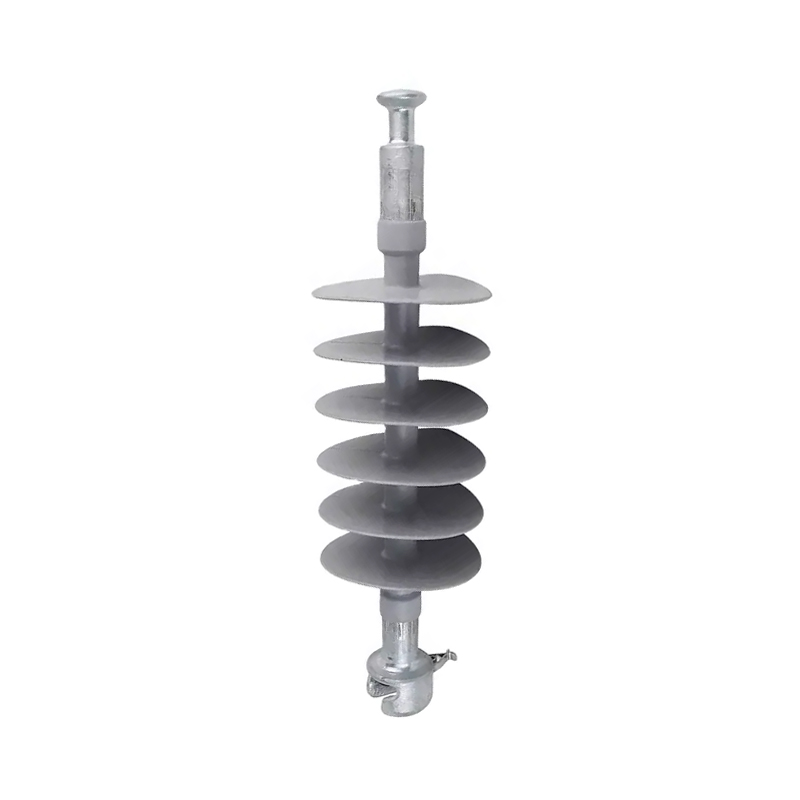
- Polymer (silicone rubber):Lightweight and hydrophobic, with strong resistance to pollution flashover. Great for coastal or industrial zones with heavy salt and dust. Long-term UV aging is a consideration, but modern materials perform much better than earlier versions.
So right off the bat, your environment narrows the field. A dry inland line has different needs than a line running five kilometers from the ocean. The insulator that works beautifully in one spot might demand frequent washing in another.
Pin, suspension, strain, and post when to use each
The title “which insulator is used in transmission line” usually leads engineers and procurement folks to think about the configuration, not just the material. Here's how they break down:
- Pin insulator:Best for lower voltages (typically up to 33 kV). It mounts directly onto the cross-arm, with the conductor sitting in a groove at the top. Simple, cost-effective, and easy to install. Beyond 33 kV, it gets too bulky and uneconomical.
- Suspension insulator:Used for voltages from 33 kV up to 765 kV and beyond. Discs made of porcelain, glass, or polymer are linked into a string. More discs handle higher voltages. The string can swing with the conductor, spreading the mechanical load and absorbing movement.
- Strain insulator:Placed where the line changes direction, dead-ends, or crosses a valley. It's essentially a suspension string working under tension to handle the full pull of the conductor. The same disc model is often used for both suspension and strain positions, with extra discs added in strain assemblies for a safety margin.
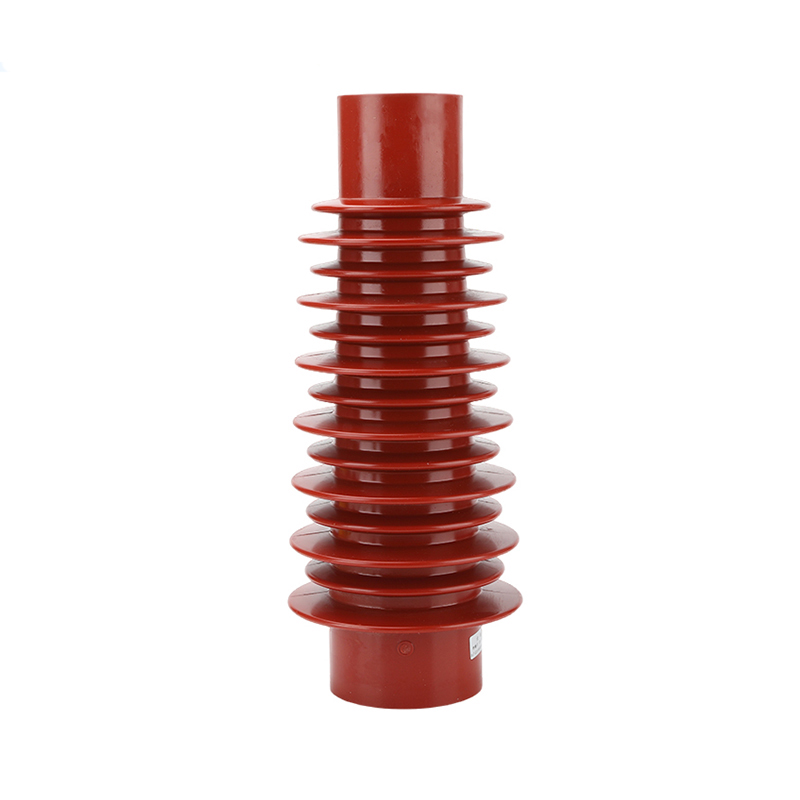
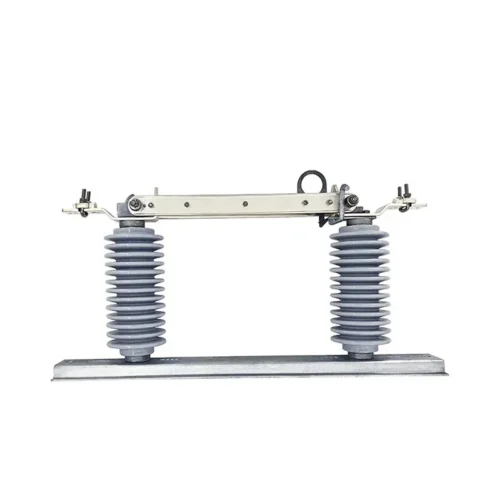
- Post insulator:Common in substations, but also found on compact transmission tower designs. Provides rigid support and helps reduce phase-to-phase spacing.
If you're sourcing an insulator for a specific line, the voltage level usually determines the configuration. A straight 132 kV line relies mainly on suspension strings, with strain strings at angle towers. A short 11 kV tap line might only need pin insulators.
The pollution question you shouldn't skip
Specifying an insulator by voltage alone often leads to unexpected flashovers during light rain after a dry period. That's pollution creep. Dust, salt, cement residue, and bird droppings can build up into a conductive surface layer, and when fog or drizzle arrives, leakage current can escalate into a flashover.
For lines near chemical plants, quarries, or coastlines, choose an insulator with longer creepage distance. Polymer types handle this well because their silicone rubber surface stays hydrophobic, causing moisture to bead up instead of forming a wet film. Porcelain and glass can also work in polluted areas, but you'll need creepage-extended designs and a regular washing schedule.
Mechanical strength and day-to-day reliability
Cracked pins or snapped caps months after installation are failures nobody wants. Mechanical strength often gets overlooked when people focus only on voltage ratings. Insulators face constant stress from wind vibration, ice loading, conductor galloping, and lightning strikes.
When comparing units, check both the specified mechanical failing load and the routine test load. Quality manufacturers state both clearly. For suspension strings, look for a standardized ball-and-socket coupling (like IEC 60120 or ANSI Class 52) it makes sourcing fittings and spares much easier later. Standardization may not sound exciting, but it cuts down long-term headaches.
Making sense of insulator specs for purchasing
If you're evaluating quotes, here's a practical order to look at things:
- Voltage grade and BIL (basic insulation level):Match your system's maximum operating voltage and its expected surge levels.
- Creepage distance:At a minimum, meet the IEC or local utility requirement for your site's pollution class. Longer is usually safer, up to the point where it changes the string length too much.
- Material:Porcelain or glass for proven long life where weight doesn't matter; polymer for lightweight handling, pollution resistance, and easier installation in rough terrain.
- Mechanical load rating:Should exceed worst-case tension for strain positions and the combined load on suspension points.
- End fittings:Verify hot-dip galvanized or stainless steel hardware that matches the tower attachment.
That sequence keeps the focus on operational safety first, lifecycle cost second, and initial price third a mindset that usually saves money over a line's 40-year lifespan.
Bringing it back to one simple question
So which insulator is used in transmission lines? The honest answer: it depends, but the industry relies on a few proven types. For high-voltage transmission, suspension insulators made of glass, porcelain, or polymer are the backbone. For lower distribution voltages, pin insulators do the job well. In polluted or coastal areas, polymer suspension insulators often outperform ceramic options. Where lines terminate or turn, strain insulator assemblies handle the tension.
Choosing the right insulator becomes straightforward when you focus on three things: voltage, mechanical stress, and environment. Field engineers match the product to real-world conditions, not data sheet fantasies. If you're sourcing for a project, start with those three factors and you'll be ahead before you even open a catalog.