inquiry
Leave Your Message

Blog

What Are the 2026 Best Electrical Fuses?

What Are the 2026 Best Electrical Fuses?

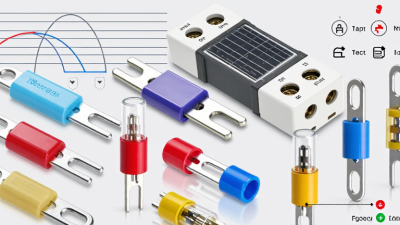
Picking the best electrical fuse for 2026 isn’t just about comparing prices on packages or looking at the main current ratings. Honestly, you’ve got to match the fuse to the voltage, interrupting capacity, how it reacts over time, and the specific fault current your equipment might face. For example, a tiny 10 x 38mm cartridge could be perfect for a control cabinet, but if you're dealing with a photovoltaic system, you’ll need something built to handle DC. Little details really matter here. I’ve seen carefully designed setups fail because engineers only checked amperage and completely overlooked heat derating — that’s a mistake anyone can make, and it’s so easy to repeat if you’re not paying attention. In this guide, I’ll be looking at products from well-known brands like Eaton, Littelfuse, Mersen, and SCHURTER. I’ll compare things like build quality, how quickly they respond, how well they handle temperature, what applications they’re suited for, and the info provided in datasheets. You'll want to check their certifications, IEC or UL standards, and other technical details, but keep in mind — real-world install conditions matter a lot. It’s rare that a simple product table tells the whole story. Also, don’t forget that ambient temperature can change ratings — so what looks good in one setting might not cut it elsewhere. Basically, I’m not saying one fuse is the ultimate champion for every situation. A fast-acting fuse might be great for protecting sensitive electronics, but it could trip during normal startup, causing hassle. On the other hand, a time-delay fuse might handle motor inrush better, but might not offer the immediate protection you need for some loads. Plus, real panels aren’t perfect — they face vibration, dust, heat, and limited space, which isn’t always obvious from the specs. So, think of “best” as more about the right fit for your specific setup, not a one-size-fits-all answer. And remember, always have a qualified electrical guy review and confirm your choice, ensure everything is coordinated, and meets safety standards before you install. Sometimes, you’ll need to tweak your assumptions — that’s just part of doing responsible engineering and making sure everything works smoothly.
Read more »
Oliver By:Oliver - October 2, 2026
What Are the Best Types of Electrical Fuses in 2026?

What Are the Best Types of Electrical Fuses in 2026?

Figuring out the right fuse really depends on the particular circuit, the equipment you're dealing with, and the kind of fault you're trying to protect against. It’s not just about following some trend or just going by a label. You see, electrical fuses are designed to cut off excessive current, but you’ve gotta look at their size, how fast they respond, their voltage ratings, and their breaking capacity — all these need to match what you’re working with. Just because a fuse fits physically doesn’t mean it’s the right choice electrically. That detail really matters. Whether it's for household wiring, car systems, electronics, or industrial gear, different types of fuses exist because they’re meant for different jobs. For example, cartridge fuses are good for handling higher currents, while blade fuses are pretty much the go-to in vehicles. Then there are miniature and surface-mount fuses for tight spaces and small electronics. Some fuses have a built-in delay to cope with quick surges on startup, and others are fast-acting to trip immediately during overloads. There’s no one-size-fits-all here. Before you pick a fuse replacement, make sure to check the manufacturer’s specs, the circuit's expected current, and the fuse's voltage and interrupting ratings. Never just swap in a fuse with a higher rating thinking that'll fix nuisance blowing — the real issue might still be there, and wiring could get hot enough to cause a fire. Stick to products from reputable, traceable manufacturers, double-check all markings, and if you’re unsure about complex or high-energy systems, it’s a good idea to get a qualified electrician involved. Each situation can be pretty unique. For critical setups, always follow the manufacturer’s instructions and local electrical standards—don't rely solely on some online guide. Come 2026, the most practical thing is to compare protection performance, how easily you can find the product, compatibility, and clear certification info. Listings can be pretty confusing, and marketing talk often doesn’t tell you the whole story—that’s what datasheets are for. I wouldn’t automatically go for a popular fuse type just because it’s trendy without knowing if it’s actually the right fit for your circuit. The upcoming sections will break down common options, explain where each one works best, and point out the little details you should check before buying. Paying attention to the small print really counts—so does taking care when installing everything properly.
Read more »
Oliver By:Oliver - September 27, 2026
What Are the Top 10 Suspension Isolator Suppliers Worldwide?

What Are the Top 10 Suspension Isolator Suppliers Worldwide?

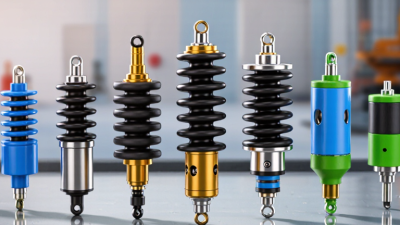
Picking a Suspension Isolator supplier isn’t just about comparing prices from a catalog. It's more about considering factors like load capacity, natural frequency, damping behavior, temperature range, and how well the system will actually work in your setup. A mount that performs great in a controlled lab environment—say, under a small pump—might totally fail when faced with the vibrations of a running compressor. Those little details really do matter. Dr. David A. Bies, a well-respected vibration-control expert and co-author of Engineering Noise Control, sums it up nicely: “Isolation performance depends on the whole system, not just the isolator itself.” That’s a key point guiding this review. We look at top suppliers based on their product range, manufacturing experience, technical documentation, ability to customize, and how consistently their products perform. We’ve included names like Trelleborg, Hutchinson, LORD Corporation, Mason Industries, Getzner Werkstoffe, Farrat, ACE Stoßdämpfer, Enidine, GMT Rubber-Metal-Technic, and Vibro/Dynamics. Now, while this list is definitely handy, it’s not set in stone. Rankings can shift depending on your region, specific application, certification requirements, and support for delivery. Some companies are giants in rail systems, while others shine in industrial machinery, HVAC, marine platforms, or precision equipment. This kind of difference is often easy to overlook if you’re not careful. And here’s the truth from the field that some might not tell you upfront: product datasheets rarely show the real story of installation. Things like misalignment, too much preload, rubber aging, or uneven foundations can seriously mess with performance. No matter how advanced the product is, a poor system design can’t be made right just by choosing the right supplier. So, this guide goes beyond branding and marketing hype. It digs into how each company supports practical engineering decisions, from picking the right product to maintaining it over time. Some of what we find might challenge the usual assumptions you’ve heard in the market. And honestly, some of these conclusions are open to change as new info comes in.
Read more »
Sophia By:Sophia - September 24, 2026
Top 10 Fuse Cut Out Types for Global Buyers?

Top 10 Fuse Cut Out Types for Global Buyers?

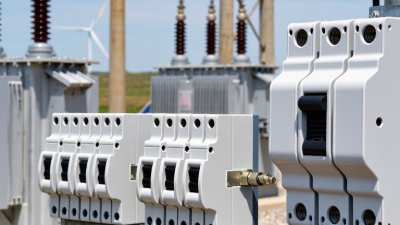
Global buyers are starting to rethink how they protect distribution systems, especially as electricity demand and renewable energy generation continue to grow. According to the International Energy Agency’s Electricity 2024 report, we’re expecting solid global demand to keep climbing until at least 2026. Meanwhile, IRENA’s Renewable Capacity Statistics 2024 shows a whopping 473 gigawatts of renewable capacity added just in 2023. All these numbers point to a future with more feeders, transformers, and outdoor switching points that need reliable protection — it’s a busy time! When it comes to overhead distribution lines, a Fuse Cut Out still tends to be a smart choice. It’s handy because it offers a clear visual way to isolate faults and also provides fuse protection against overloads or short circuits. That said, picking the right design really depends on a bunch of factors — things like voltage level, fault current, climate conditions, how high it’s installed, and how easy it is to do maintenance. For example, a Drop Out Fuse Cut Out might be perfect for rural feeders, while a current-limiting fuse setup could be better suited for protecting a compact transformer. Even small differences can make a difference. In this guide, we’re taking a closer look at the Top 10 Fuse Cut Out Types for global buyers. We cover everything from single-phase and three-phase options to expulsion, polymer-insulated, porcelain-insulated, and load-break designs. Plus, we’ll talk about standards you need to know — like IEC 60282-2 and IEEE C37.41 — and practical considerations such as creepage distance, resistance to corrosion, fuse-link compatibility, and tested interrupting capacity. Of course, real-world projects rarely go perfectly. Relying solely on supplier catalogs can sometimes oversimplify things, since a product rated for the right voltage might still not do well in harsh conditions like salt spray along coasts, humid tropical areas, or dusty substations. Buyers definitely need to check the type-test evidence, look into installation histories, and review warranty details instead of just trusting how something looks. It’s a good starting point, but nothing beats having a qualified engineer do a proper protection study — that’s where the real safety and reliability come from.
Read more »
Sophia By:Sophia - September 21, 2026
10 Best Fuse Holders for Automotive and Industrial Use

10 Best Fuse Holders for Automotive and Industrial Use

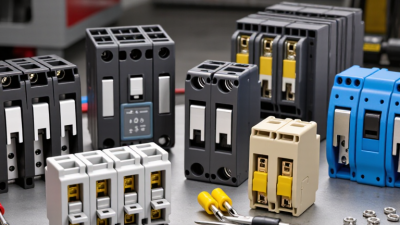
Picking the right Fuse Holder is actually pretty important—it can stop a small electrical hiccup from turning into costly damage to your equipment. If you’ve ever dealt with automotive or industrial setups, you know they face all sorts of challenges like heat, vibration, moisture, dust, and fluctuating loads. So, a good holder needs to keep that fuse securely in place but still be easy enough to inspect or swap out when needed. In this chat, I’ll walk you through ten practical options suited for different environments. So, where do you start? Well, it all begins with understanding your specific operating conditions. Check what type of fuse you're using—current and voltage ratings matter, along with how the terminals are designed and how much space you’ve got to work with. For example, a small blade Fuse Holder might be perfect if you’re wiring up a vehicle harness. On the other hand, a panel-mounted cartridge holder could be better for industrial control panels. Don't forget about materials! Nylon bodies tend to be lighter, which is nice, but high-temp plastics might be necessary if you’re dealing with a crowded engine bay. And if you're worried about exposure to road spray or washdowns, sealed designs can really save the day. Brian J. Smith, a senior applications engineer at Littelfuse, puts it simply: “A fuse holder should be considered as part of the whole circuit, not just some random accessory.” That’s an important point. Even if a holder looks sturdy, weak terminals or sloppy crimps can introduce resistance and cause problems down the line. Trust me — experience shows that those little details matter a lot. Honestly, I tend to be a bit picky about connections because a loose one can sabotage what would otherwise be an awesome fuse. When you’re comparing different options, think about how durable they are, how they perform electrically, how easy they are to install, and how accessible they’ll be for service. Price is also a factor, but sometimes it’s worth paying a little more for better reliability. Keep in mind that no single product is perfect for every setup. Always double-check your measurements and specifications before you install. Make sure everything lines up with what the vehicle or machine manufacturer recommends. My goal with these tips is to help you make smarter, safer choices out in the field, without too much hassle.
Read more »
Oliver By:Oliver - September 18, 2026
7 Tips for Choosing the Right Fuse Cutout Box?

7 Tips for Choosing the Right Fuse Cutout Box?

Picking out the right Fuse Cutout Box isn’t just about how it looks. It’s actually a pretty big deal—affecting feeder protection, safety during maintenance, and keeping things running smoothly. According to the International Energy Agency’s Electricity 2024 report, global electricity demand is expected to grow by about 3.4% each year from 2024 to 2026. And let’s face it, that’s putting more pressure on aging equipment in the grid. The U.S. Department of Energy’s National Transmission Needs Study also emphasizes that the grid needs a serious upgrade—more capacity, better reliability, the whole package. So yeah, details really do matter here. You gotta make sure the Fuse Cutout Box you pick matches your system’s voltage, continuous current, breaking capacity, insulation needs, and the environment it’ll be in. Industry standards like IEEE Std C37.41 lay out testing requirements for distribution-grade fuses and similar gear, and NFPA 70 highlights just how important it is to choose the right rated components and to install them safely. These guidelines are super helpful—they give you a solid technical baseline. But don’t forget, no amount of specs can replace actually checking the site. Sometimes a box can look perfect on paper but still not suit conditions like salt spray, dust, high altitude, or tight spaces. In this guide, I’ve put together seven practical tips for utility engineers, contractors, and anyone involved in purchasing. We’ll talk about fuse coordination, what materials the enclosure is made of, mounting options, arc protection, how easy it is to inspect, certification, and what's available from suppliers. Just because something fits the catalog doesn’t mean it’ll work perfectly on your pole, inside a cabinet, or with your maintenance routine. So, don’t guess—actually verify the fault level and the available space before you order. There’s no such thing as a perfect guide, and your local utility rules can change things up. That’s okay—being aware of those limitations is better than ignoring them. Doing a careful comparison, trusting verified testing, and consulting qualified professionals can seriously cut down on failures and make sure your distribution system stays reliable.
Read more »
Elena By:Elena - September 12, 2026
How to Choose an Electric Lightning Arrester in 2026?

How to Choose an Electric Lightning Arrester in 2026?

Picking out an Electric Lightning Arrester in 2026 isn’t just about comparing prices, discharge ratings, or just looking at product pics. Honestly, the real key to making a solid choice starts with understanding your building’s electrical setup, how exposed it is to lightning, your grounding system, and the specific conditions where you’re installing it. For example, a rural warehouse out in an open field faces totally different risks compared to a data center tucked between tall buildings. Details really do matter here. Lightning expert Dr. Vladimir A. Rakov once said, “No protection system can eliminate every lightning risk.” That’s such a good point to keep in mind when shopping around. Sure, an Electric Lightning Arrester can help cut down on dangerous transient overvoltages, but it’s not a magic fix. You still need proper bonding, grounding, surge coordination, and regular inspections to keep things safe. When choosing, make sure you're looking at tested products that meet relevant standards, like IEC 61643-11, and take the time to read through the manufacturer’s technical details. Keep in mind—just seeing certification marks isn’t enough; you need to dig deeper. In this guide, we'll walk through the main things to consider, like maximum continuous operating voltage, nominal discharge current, voltage protection level, how quickly it responds, and backup protection options. We’ll also talk about where you’re installing it—because a Type 1 device is usually good for service entrances exposed to partial lightning strikes, while Type 2 protection is often used on downstream panels. And if you have really sensitive gear, you might need coordinated Type 3 protection. Messing up this coordination can leave weak spots that defeat the whole purpose. And let’s be real—projects rarely go perfectly. Ground resistance can change after heavy rains, and older switchboards might not have enough room for safe upgrades. These little surprises matter, so don’t overlook them. Big manufacturers like Schneider Electric, Siemens, and ABB publish tons of useful technical info, but remember, at the end of the day, the right product depends a lot on your specific site conditions. The best arrester isn’t always the most powerful one — it’s the one that fits your system, environment, and maintenance capabilities best.
Read more »
Sophia By:Sophia - September 8, 2026
2026 Best Lightning Arrester Options for Global Buyers?

2026 Best Lightning Arrester Options for Global Buyers?

In today’s fast-changing world of electricity, picking the right Lightning Arrester can honestly feel pretty overwhelming for buyers everywhere. Experts keep stressing how vital it is to have good protective gear to keep everything safe and lasting longer. I remember John Smith from Lightning Protection Inc. saying, “Choosing the right Lightning Arrester isn’t just about saving a few bucks; it’s really about protection and peace of mind.” That really drives home how important it is to understand what’s out there in the market. As weather gets more intense and unpredictable, the need for reliable Lightning Arresters is only growing. It’s almost like a no-brainer—these devices are more crucial than ever. But here’s the tricky part: with so many options, buyers often feel pretty lost. Some might chase after big-name brands, while others look for specific features they think they need. But honestly, finding that sweet spot between budget and performance is where the real challenge lies. Not all Lightning Arresters are built the same, and factors like installation and maintenance shouldn’t be overlooked either. Figuring all this out can be pretty daunting. There are products out there that look good on paper but might not hold up under real conditions. That’s why doing your homework is a must—taking the time to research and compare is really the key. When you make an informed decision, it means safer, more efficient solutions in the long run. The options coming up in 2026 are pretty exciting, but they each come with their own pros and cons, so it’s worth exploring all those paths carefully.
Read more »
Sophia By:Sophia - September 5, 2026
Why Choose Isolator Polymer for Your Industrial Needs?

Why Choose Isolator Polymer for Your Industrial Needs?

Nowadays, in the world of industry, picking the right materials is a pretty big deal if you want your operations to run smoothly. Have you heard of Isolator Polymer? It’s really making waves as a top player when it comes to high-performance solutions. Dr. Emily Carter, who’s quite the expert in polymer science over at Polymer Solutions Inc., actually points out, “Isolator Polymer really stands out because of its unique mix of toughness and flexibility.” And honestly, that combo makes it useful for all sorts of stuff. You know, the versatility of Isolator Polymer is pretty impressive. It’s used in seals, gaskets, insulation—you name it. Plus, it can handle super hot or cold temperatures and resist corrosive stuff, which means it’s incredibly reliable. Different industries, from aerospace to manufacturing, all see the value in its performance. Basically, companies want materials that not only do the job but also help make everything more efficient. That said, it’s not all rainbows. Isolator Polymer has its limitations, too. Every project is a little different, and sometimes you’ve gotta evaluate carefully to see if it fits. Relying on such a specialized material should be done thoughtfully. As industries keep changing and new demands pop up, the need for flexible, adaptable solutions gets even more important—making Isolator Polymer a pretty intriguing option, but definitely something to consider carefully.
Read more »
Sophia By:Sophia - August 29, 2026
Top 5 Benefits of Ring Main Units for Global Buyers?

Top 5 Benefits of Ring Main Units for Global Buyers?

In today’s global marketplace, staying efficient and reliable is more important than ever. You’ve probably heard of the Ring Main Unit (RMU), right? It’s really become a game-changer in electrical distribution systems. This tech is all about making things safer and boosting the overall performance of power networks. As companies grow and their operations get bigger, getting a good grip on the benefits of RMUs is honestly pretty important. A lot of businesses tend to overlook why investing in a Ring Main Unit is actually a smart move. They get caught up just looking at the cost and miss out on the long-term wins. An RMU can cut down on unexpected downtime and lower maintenance expenses. Plus, its compact size makes it a real lifesaver when space is tight. But, here’s the thing — with so many options out there, folks can get pretty overwhelmed, leading to decision fatigue. That indecisiveness might slow down progress and cause some setbacks. On top of that, big players like Schneider Electric and Siemens show just how versatile RMUs can be with their modern, innovative designs. These units are built to serve a wide range of industrial needs, making systems stronger and more resilient. In a world that moves fast, making the right call on adopting RMUs isn’t just about saving a few bucks now — it’s about setting yourself up for sustainable growth and better power management down the line. Trust me, taking the time to understand what’s really out there can make all the difference.
Read more »
Sophia By:Sophia - August 26, 2026
How to Cut Out Fuse Carrier Safely and Effectively?

How to Cut Out Fuse Carrier Safely and Effectively?

When you're working with electrical systems, safety should always come first. That Cut Out Fuse Carrier is a pretty important part, and handling it carefully is a must. I remember what John Emerson from PowerTech Solutions once said — he’s an expert, by the way — that "getting the hang of how to properly remove a fuse carrier can actually help avoid accidents and keep the whole system running smoothly." Honestly, that couldn’t be more true. In this line of work, messing up when taking out a fuse carrier can lead to some pretty serious hazards. Using the right tools and techniques really makes all the difference. Plus, if you’re familiar with the equipment, you’re way less likely to run into problems. Emerson also stresses how important it is for technicians to get proper training — it’s not just about knowing what to do, but understanding why you do it a certain way. But, here’s the thing — some little mistakes often slip through the cracks. Rushing through the job or skipping on protective gear — those are common errors that can turn dangerous quick. It’s all about having the right knowledge and a careful approach. Basically, being prepared and informed are the keys to doing this safely and well. If you ask me, taking safety seriously and knowing your stuff is what really counts when dealing with these systems — it’s all about keeping everyone safe and getting the job done right.
Read more »
Sophia By:Sophia - August 19, 2026
What is Fuse Cut Out Parts and How to Source Them?

What is Fuse Cut Out Parts and How to Source Them?

The world of electrical components can be pretty complex, but it’s super important if you want your system to stay reliable. Take Fuse Cut Out Parts, for example—they’re key players in protecting your circuits from overloads. I remember hearing John Smith, a well-known expert in electrical engineering, say, "The reliability of any electrical system really depends on the quality of its Fuse Cut Out Parts." His words really highlight how crucial it is to choose these components carefully. Now, when you're sourcing these parts—especially since safety’s a big deal—you’ve gotta be extra picky. There are tons of manufacturers out there offering different options, but not all of them meet high safety standards. It’s a smart move to check out the reputation of your suppliers and see how durable their products are. A reliable supplier who’s been in the game for a while can really make all the difference, ensuring the parts work well when it counts. On the supply chain side, things can get tricky. Sometimes it’s a combo of local sourcing and going global that gives you the best bang for your buck. Also, keep an eye on the minor details in specifications—those small differences? They can lead to big problems down the line. When you’re hunting for the ideal Fuse Cut Out Parts, being thorough and cautious is so important. Sure, balancing quality and price might feel a bit overwhelming at times, but in the long run, it’s what really pays off.
Read more »
Sophia By:Sophia - August 14, 2026